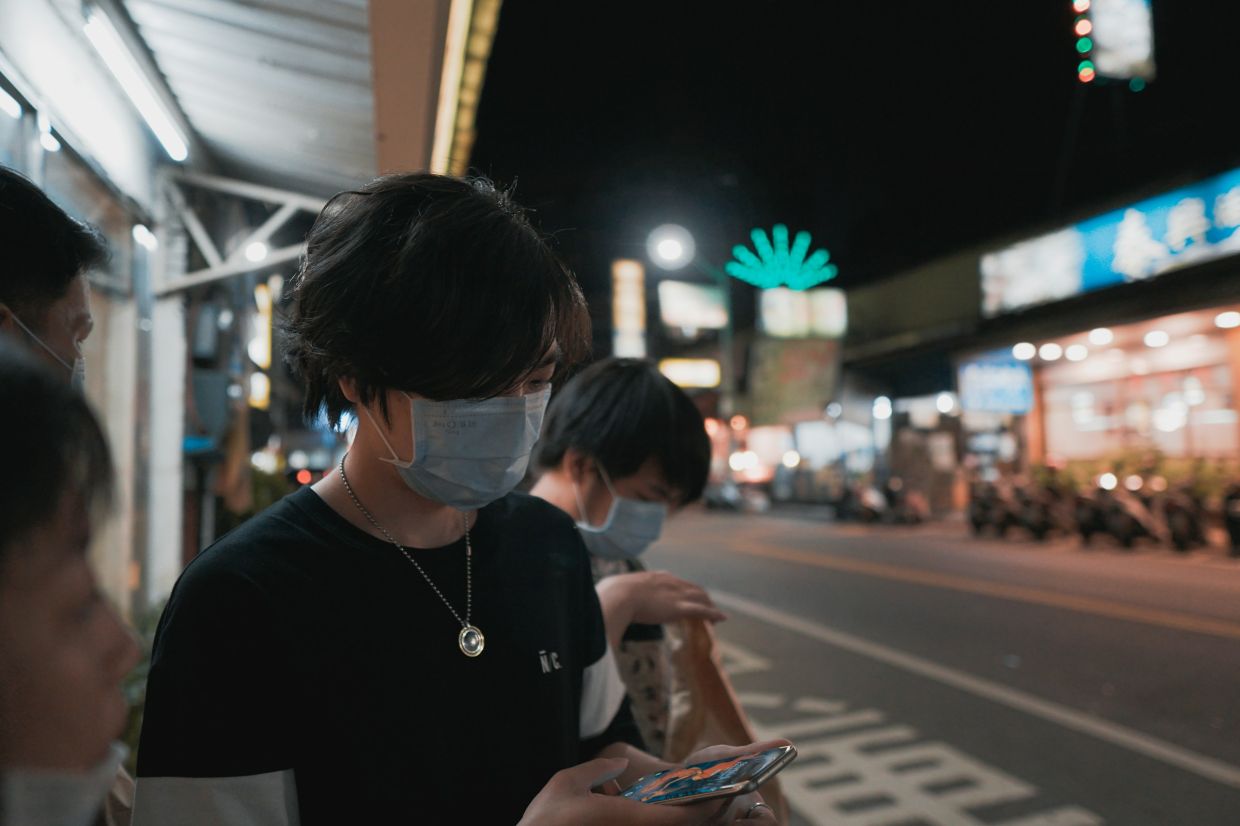
Taiwan is taking an unprecedented step in its civil defence preparations by deliberately degrading mobile internet speeds across two regions in August, marking the first time the island has simulated widespread digital infrastructure disruption. The drills, scheduled for August 10 in central Taiwan and August 13 in the north including Taipei, represent a significant escalation in how the island approaches contingency planning for both military and natural disaster scenarios. National security officials who outlined the exercise in Taipei on July 20 described the initiative as essential to building public awareness about communicating effectively when critical services fail.
During the designated two-hour window from 2:30 pm to 3 pm, mobile data connectivity in target areas will be deliberately degraded to speeds that render video streaming and media viewing impossible. This controlled reduction is calibrated to create a realistic experience of network congestion without severing essential services—voice calls, text messaging, and fixed-line broadband will continue functioning normally. The distinction is deliberate: officials wanted to ensure that while residents experience the frustration and limitations of disabled data services, they retain core communication capabilities that might be crucial during an actual emergency.
The underlying objective extends beyond simple awareness-raising. By exposing the public to these constraints during peacetime, Taiwan's security establishment aims to prompt households to develop practical contingency strategies for maintaining contact with family members when normal communication patterns become impossible. The drill also encourages residents to familiarise themselves with official information channels, emergency shelter locations, and relief distribution points before a crisis occurs. Officials indicated that such preparation could significantly improve public response times and reduce panic during an actual emergency, whether triggered by military action or environmental disaster.
Taiwan's decision to introduce this dimension of realism into its annual resilience exercises reflects a hardening assessment of security threats. Officials acknowledged that the island has been intentionally making drills more authentic as Beijing's military posture has grown more assertive. The simulation represents a strategic recognition that previous exercises, while useful, may not have adequately prepared citizens for the specific challenge of functioning in a society stripped of high-speed data connectivity. This pragmatic shift suggests that Taiwan's national security apparatus now views such scenarios as plausible rather than theoretical.
The timing of the exercise cannot be separated from the broader security context. In recent years, China has maintained a relentless campaign of military pressure, conducting near-daily air and naval operations around Taiwan while periodically launching large-scale exercises designed to demonstrate capability and resolve. Beijing has consistently refused to renounce the use of military force to compel Taiwan's political integration with mainland China, treating such operations as rehearsals for potential invasion scenarios. This escalating pattern has created an environment where Taiwan's civilian population faces a realistic, if not imminent, possibility of armed conflict.
Beyond China-related tensions, Taiwan confronts regular threats from natural phenomena. The island sits in a region prone to powerful typhoons and lies along active earthquake zones, making disaster preparedness an equally important dimension of civil defence. Officials indicated that the August drills will encompass multiple hazard scenarios, including evacuation procedures, expansion of medical surge capacity, and deployment of unmanned aerial vehicles to deliver supplies and medical assistance to isolated areas. This multi-threat approach acknowledges that Taiwan's resilience challenges span a spectrum from geological and meteorological disasters to human-initiated conflict.
The internet throttling exercise also signals Taiwan's intention to expand future simulations beyond mobile data disruption. Officials suggested that subsequent drills could incorporate outages affecting other telecommunications infrastructure, potentially including fixed-line services, satellite communications, or critical digital systems that many government and commercial operations depend upon. Such expansion would create increasingly comprehensive rehearsals for scenarios where extensive portions of Taiwan's digital and communications infrastructure become degraded or unusable.
For Malaysian and Southeast Asian observers, Taiwan's approach offers instructive lessons about civil resilience planning in a region where multiple security and environmental threats converge. Many nations across Southeast Asia face comparable challenges from typhoons, earthquakes, and geopolitical tensions, yet few have implemented drills that explicitly simulate infrastructure degradation at the civilian level. Taiwan's willingness to make emergency preparedness tangible and uncomfortable—by actually disrupting services that citizens depend upon daily—represents a more demanding standard than abstract planning exercises conducted purely on paper or in controlled official environments.
The psychological dimension of Taiwan's approach merits attention. By familiarising ordinary residents with digital disconnection before an actual crisis, officials hope to reduce the psychological shock and disorientation that would accompany genuine infrastructure collapse. Citizens who have experienced even a simulated internet slowdown may respond more rationally and adaptively if forced to navigate genuine disruptions during an actual emergency. This recognition that emergency preparedness encompasses emotional and psychological readiness alongside material planning reflects sophisticated understanding of crisis management.
Taiwan's initiative also underscores the vulnerability of modern societies to disruptions in digital infrastructure. Most citizens in developed or developing economies have become deeply dependent on high-speed mobile data for everything from navigation and financial transactions to accessing emergency information and maintaining contact with family. Taiwan's drill essentially forces a confrontation with this vulnerability by creating an enforced digital detoxification period that, while temporary and controlled, demonstrates the cascading consequences of connectivity loss. The exercise implicitly asks citizens to contemplate questions about which services and communications truly matter when technological conveniences disappear.
The exercise represents a maturation of Taiwan's emergency planning from abstract bureaucratic procedures into lived experience at the population level. Rather than assuming citizens will intuitively know how to communicate, gather information, and support one another during infrastructure collapse, officials are engineering opportunities for practical learning. This approach recognises that resilience is not merely a matter of government preparedness but requires informed, mentally prepared citizens capable of functioning effectively under severely degraded conditions.

