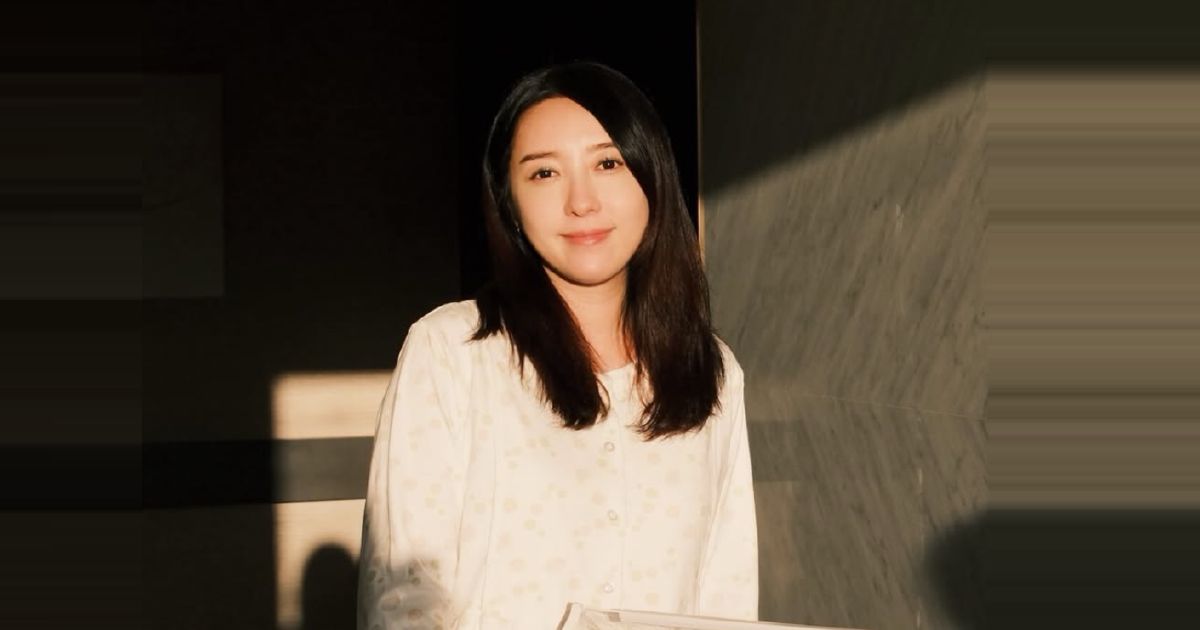
Taiwanese actress Wu Xiong, known professionally by that stage name but registered as Tsai Yi-chen, was apprehended at Kansai International Airport on August 22 after Japanese authorities alleged she had damaged a nationally treasured artifact at Yakushiji Temple in Nara prefecture. The incident marks an unusual diplomatic episode involving a public figure from Taiwan and raises questions about the responsibilities of visitors to culturally significant sites across East Asia.
Yakushiji Temple, one of Japan's most historically significant Buddhist temples, stands as a UNESCO World Heritage Site and contains numerous objects designated as national treasures under Japanese cultural preservation law. The specific artifact allegedly damaged by Wu Xiong remains a focal point of investigation, though the designation carries substantial weight within Japan's rigorous system of heritage protection. Such classifications indicate objects of immense cultural, historical, or artistic value that the nation deems worthy of the highest level of conservation and legal safeguarding.
The arrest at Kansai International Airport, one of Japan's busiest international gateways serving the Kansai region that includes Osaka, Kyoto, and Nara, suggests that Wu Xiong may have been detained while attempting to depart Japan. Airport security protocols and coordination between local prefectural authorities and national police forces would have enabled officials to intercept her before international departure. The timing and location of her apprehension indicate a coordinated response by Japanese law enforcement agencies.
Wu Xiong's career in Taiwan's entertainment industry has made her a recognizable public figure, which amplifies the visibility and diplomatic implications of her legal troubles. Public figures from one jurisdiction facing criminal allegations in another typically generate significant media attention in their home region, particularly when the allegations involve cultural property or national symbols. This incident will likely intensify scrutiny on both the actress and broader questions about how visitors—especially prominent ones—should interact with protected cultural sites.
The investigation into what precisely transpired at Yakushiji Temple will determine whether Wu Xiong's actions constituted deliberate vandalism, reckless negligence, or some other category of damage. Japanese law distinguishes between intentional destruction of cultural properties and unintentional harm, with penalties varying accordingly. The temple authorities and cultural ministry officials will have examined the damage extent, documented photographic and physical evidence, and assessed whether restoration is feasible or whether the treasure has suffered permanent loss.
From a Southeast Asian perspective, this case resonates beyond Taiwan and Japan. Many regional nations, including Malaysia, maintain their own precious cultural heritage sites and face parallel challenges in protecting them from both accidental and intentional damage by visitors. The mechanisms Japan employs for investigating and prosecuting such offenses may offer instructive precedents for how other Asian countries address similar incidents, particularly in establishing accountability frameworks and enforcement consistency.
The diplomatic dimensions merit consideration as well. Taiwan and Japan maintain complex but generally cordial relations, and individual criminal cases do not typically escalate into official disputes. However, the treatment of Taiwanese nationals within Japanese jurisdiction—including the pace of investigation, access to legal representation, and procedural fairness—will be observed closely by both public and official audiences in Taiwan. Any perception of disproportionate treatment could generate political commentary, though standard criminal procedure would likely prevail.
Cultural site protection has become an increasingly urgent priority across Asia as tourism volumes surge and visitor management becomes more challenging. Yakushiji Temple, like other major heritage destinations, must balance accessibility with preservation. Wu Xiong's case illustrates how quickly a moment of carelessness or intentional mischief can transform into a serious legal matter with international dimensions. It serves as a cautionary reminder that national treasures are protected by law with corresponding consequences for those who damage them.
The specific charge or charges Wu Xiong faces will emerge as Japanese judicial proceedings advance. She would typically be entitled to legal representation and the opportunity to present her account of events. The investigation phase will establish facts regarding her knowledge of the temple's regulations, the nature of her access to the artifact, circumstances surrounding the damage, and whether she acted alone or with others. These details will substantially influence both prosecution strategy and potential defense arguments.
For Malaysian audiences, this incident underscores the importance of respecting cultural property boundaries when traveling internationally. Whether at temples, mosques, churches, museums, or archaeological sites, foreign visitors must observe posted guidelines and local customs. Damage to culturally significant objects can result in serious criminal liability in multiple jurisdictions. The case also highlights how social media exposure and public prominence can complicate legal situations—details regarding Wu Xiong's detention and the alleged incident will likely circulate widely across digital platforms, influencing public perception and potentially affecting her professional standing regardless of legal outcomes.

