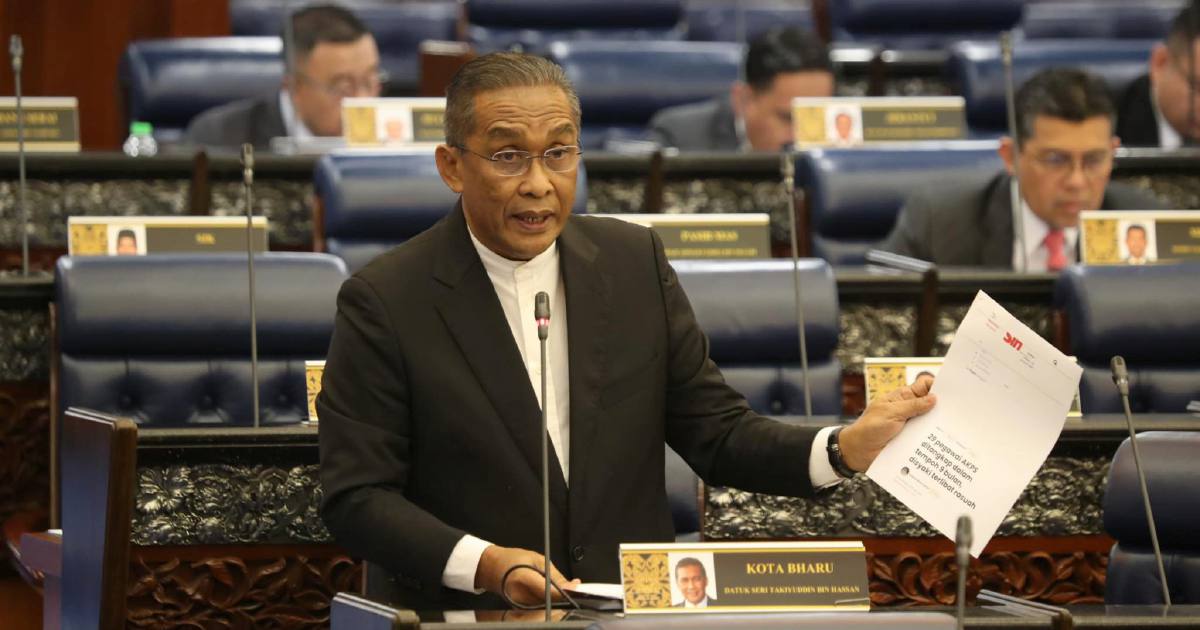
The opposition's chief parliamentary strategist has moved to stall a forthcoming legislative assembly on findings related to Malaysia's pilgrimage fund, arguing that deliberations should await the return of the country's top elected official. Datuk Seri Takiyuddin Hassan's intervention signals potential resistance to accelerated proceedings on what has become a sensitive institutional matter affecting millions of Muslim Malaysians who contribute to the savings scheme.
The timing of the request carries implications for how Parliament handles major inquiries into state-linked entities. Tabung Haji, formally known as the Lembaga Tabung Haji, manages savings for prospective pilgrims undertaking the Hajj journey to Mecca and holds substantial collective deposits from contributors across the nation. The Royal Commission of Inquiry established to examine its operations represents a significant oversight mechanism, making the parliamentary debate a crucial moment for public accountability.
Takiyuddin's position reflects broader parliamentary conventions regarding major legislative business. While opposition figures routinely challenge government initiatives, requests to postpone formal inquiries typically hinge on substantive grounds rather than tactical delay. His framing around Anwar's presence suggests a preference for full leadership representation during what promises to be a consequential discussion on institutional governance and fiduciary responsibility.
The Prime Minister's temporary absence from parliamentary duties creates a procedural question about the appropriate timing for such debates. In Westminster-derived systems like Malaysia's, governments typically schedule major policy discussions when key figures can participate actively. However, opposition calls for postponement can also serve strategic purposes, allowing more time for scrutiny of the RCI findings or building alternative narratives about institutional reform.
Tabung Haji has faced mounting scrutiny in recent years over investment performance, governance structures, and management of pilgrim contributions. Previous controversies surrounding fund management and financial disclosures created a backdrop of public concern that the RCI was commissioned to address comprehensively. The commission's report therefore represents a potential watershed moment for how the government responds to institutional weaknesses affecting a financially vulnerable demographic.
For Malaysian pilgrims and their families, the outcome of this parliamentary debate carries direct implications. Enhanced regulatory oversight or management reforms could affect withdrawal timelines, investment returns, or the security of accumulated savings. Southeast Asian observers monitoring Malaysian governance standards will likely scrutinize whether Parliament conducts robust, informed debate or allows procedural matters to overshadow substantive examination of the findings.
The opposition's tactical positioning also reflects shifts in Malaysia's political landscape. With coalition arrangements remaining fluid and parliamentary arithmetic requiring careful navigation, opposition leaders increasingly leverage procedural mechanisms to influence legislative outcomes. Takiyuddin's tenure as chief whip places him strategically to coordinate such maneuvers, signaling broader resistance strategies on governance issues.
Anwar's absence raises questions about the government's capacity management and parliamentary scheduling. Whether the Prime Minister's unavailability stems from international engagements, health considerations, or other commitments remains unclear, but it creates an opening for opposition procedural challenges. In competitive parliamentary environments, such gaps become opportunities for alternative voices to shape legislative momentum.
The Tabung Haji matter also intersects with broader Malaysian concerns about corporate governance and institutional accountability. Recent years have witnessed multiple inquiries into state entities, from sovereign wealth funds to development agencies. Parliament's handling of each RCI report establishes precedent for how thoroughly legislators will examine findings and what consequences officials face for shortcomings identified by independent commissions.
Opposition calls for postponement may also reflect concerns about inadequate time for substantive preparation. RCI reports often contain complex technical and financial material requiring careful analysis before meaningful parliamentary debate occurs. Rushing proceedings without proper preparation could result in superficial discussion that fails to address underlying governance gaps or accountability questions.
For the government, managing this situation requires balancing competing priorities. Proceeding without the Prime Minister might appear to trivialize the RCI findings or suggest insufficient commitment to addressing identified problems. Conversely, prolonged delays could foster perceptions of evasion or reluctance to engage publicly with critical institutional assessments.
The broader context of Malaysian institutional reform remains relevant here. Citizens increasingly demand transparency and accountability from bodies managing public funds or serving essential social functions like pilgrimage facilitation. Parliamentary debates on RCI findings represent opportunities to demonstrate that governance structures genuinely respond to identified deficiencies, not merely engage in procedural formalities.
Ultimately, Takiyuddin's request encapsulates tensions inherent in Malaysia's legislative process. Opposition figures and government members must negotiate between legitimate procedural concerns and substantive policy imperatives, all while navigating political calculations about advantage and accountability. How Parliament resolves this particular dispute will signal whether institutional reform enjoys genuine commitment or remains hostage to partisan considerations.

