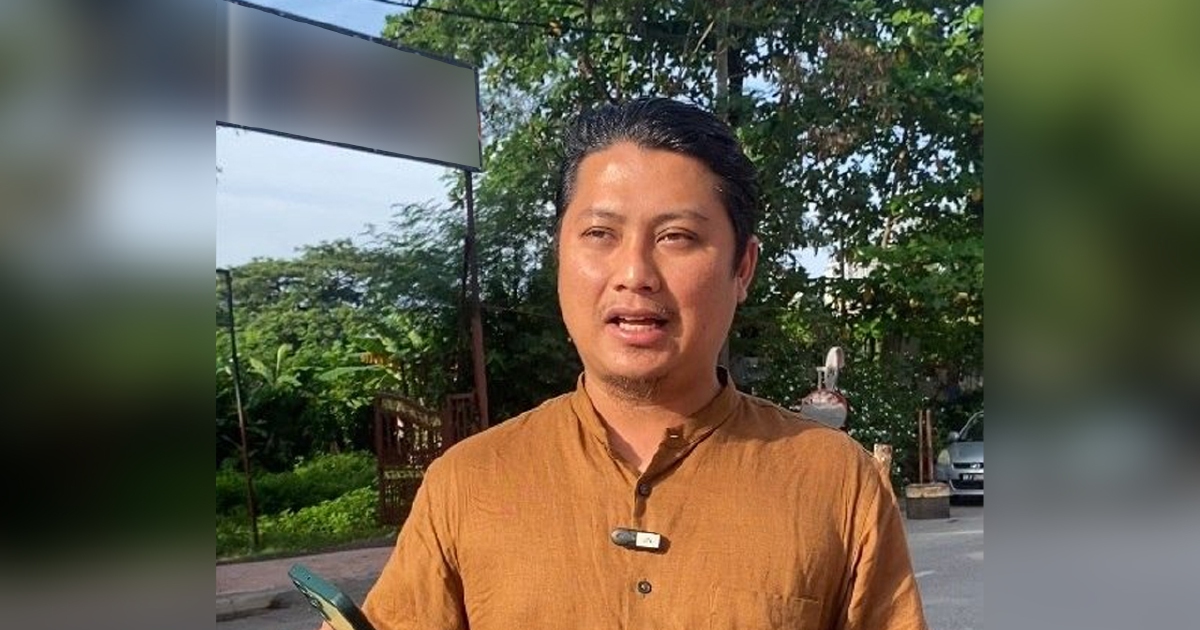
Activist Tamim Dahri Abdul Razak is scheduled to appear before the Langkawi magistrate's court tomorrow to face charges stemming from an allegation that he committed an act intended to insult another religion. The case marks a significant development in a series of legal troubles that have dogged the prominent activist in recent months.
The announcement comes after Tamim Dahri had reportedly absconded overseas, reportedly triggered by a separate case involving Facebook-based threats made against him. That incident had raised questions about his safety and sparked broader conversations within activist circles about the challenges faced by those engaged in public advocacy work in Malaysia. His apparent return to face the court proceedings suggests either a deliberate decision to confront the legal challenges or possibly developments that made his continued absence untenable.
The religious insult charge represents a distinct legal matter from the Facebook threat case that prompted his earlier departure. This suggests a pattern of mounting legal pressures across different domains, reflecting the increasingly complex landscape that civil society figures navigate when engaging in public discourse. The timing of these separate cases, while possibly coincidental, underscores the multifaceted nature of challenges confronting activists operating within Malaysia's regulatory environment.
Religious sensitivity remains a deeply significant matter within Malaysia's legal and social framework. The country's laws contain specific provisions addressing acts perceived as insulting to religion, reflecting the constitutional prominence given to Islam and the protection of religious harmony across the nation's diverse communities. These laws are wielded with varying frequency depending on political circumstances and public sentiment, making them a notable consideration for anyone engaged in public commentary or activism that touches upon religious matters.
The Langkawi magistrate's court jurisdiction is noteworthy given the island's status as a major tourism hub and its significance within Malaysian political geography. Court proceedings at this venue often attract media attention and can set precedents for how similar matters are handled across other jurisdictions. The public visibility of this case may influence broader perceptions of how Malaysia's legal system addresses charges involving religion and public expression.
Tamim Dahri has long been known for advocacy work and public commentary on various social and political issues. His willingness to engage in public discourse, sometimes on contentious matters, has established him as a recognizable figure within activist and civil society circles. The accumulation of legal challenges he now faces reflects tensions between different interpretations of rights, responsibilities, and the boundaries of acceptable speech within Malaysian society.
The Facebook threat case that initially prompted speculation about his departure relates to threats allegedly made against him online rather than threats emanating from his own actions. This distinction is important, as it suggests concerns about both his security and the adequacy of legal protections for public figures who face online harassment. The separate nature of tomorrow's charges indicates that authorities are pursuing multiple matters concurrently, each with its own legal and factual basis.
For observers of Malaysian civil society and legal matters, this case illustrates broader questions about the balance between protecting religious sensitivities and preserving space for public discourse. The distinction between genuine insults to religion and legitimate criticism or commentary on religious matters remains contested terrain in Malaysian law and practice. Courts are often called upon to navigate these sensitive distinctions, and their decisions shape the practical operating environment for activists and public commentators.
The reappearance of Tamim Dahri in the Malaysian legal system also signals continuity in enforcement of laws pertaining to religious matters. Whether through deliberate legal strategy or other circumstances, his decision to return and face the charges rather than remain overseas suggests recognition that prolonged absence carries its own consequences and uncertainties. His presence in court tomorrow will provide an opportunity for the legal process to proceed and for facts to be examined by the relevant authorities.
The broader implications of this case extend beyond the individual circumstances of the accused. Each significant case involving religious sensitivities and public expression contributes to the evolving jurisprudence and understanding of how Malaysia's legal framework applies to contemporary forms of communication and activism. The precedent set by the court's handling of Tamim Dahri's case may influence how similar matters are addressed in future, making the proceedings noteworthy for civil society observers and legal professionals.
As Tamim Dahri prepares to face court proceedings, his case exemplifies the complex intersection of activism, legal accountability, and religious sensitivity in contemporary Malaysia. The outcome of tomorrow's hearing and subsequent proceedings will contribute to ongoing discussions about the space available for public discourse within the country's legal and social boundaries.

