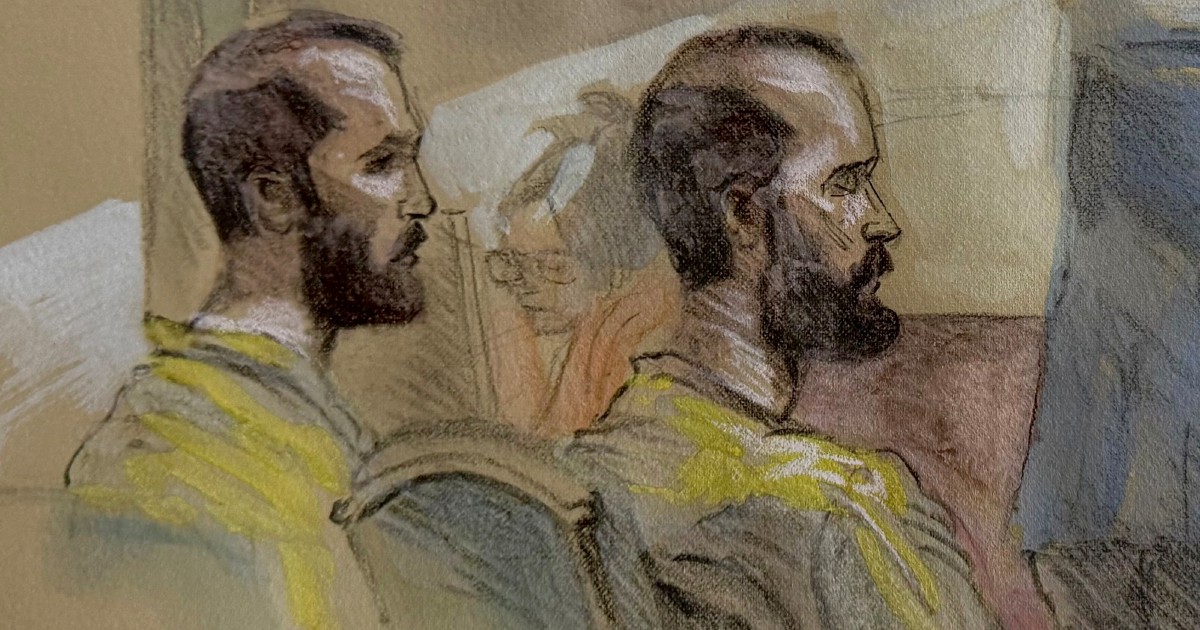
Andrew and Tristan Tate, whose prominence grew through social media platforms, will stay in federal detention in Miami whilst they fight an extradition order that would return them to Britain to face rape allegations. During proceedings held Thursday in Miami federal court, Magistrate Judge Lauren Louis postponed any immediate decision on the brothers' application for release on bail, keeping them in the custody of federal authorities pending further deliberation on the matter.
The detention decision represents a significant development in a high-profile case that has attracted international attention. The Tate brothers have built substantial online followings, particularly among younger demographics, through various content creation ventures. Their legal predicament now centers on navigating the US extradition process, a complex procedural framework that can take considerable time to resolve. The delay in the bail decision extends their time in custody, effectively keeping them off the streets whilst judicial authorities weigh the merits of their arguments.
British authorities have sought the brothers' return to face serious allegations that have been the subject of ongoing investigations. The rape charges represent the gravest accusations they have encountered in their legal troubles, and the extradition request reflects the British criminal justice system's determination to pursue these matters in their jurisdiction. For context, extradition requests between the United States and Britain typically proceed through well-established treaty frameworks that both nations honour, though individuals may still mount legal challenges to resist transfer.
The brothers' strategy to contest extradition places them within a long tradition of legal resistance employed by those facing international prosecution. Such challenges often focus on technical procedural grounds, the adequacy of evidence presented, or claims regarding potential unfair treatment in foreign jurisdictions. However, courts generally treat US-UK extradition requests seriously, particularly when serious felony charges are involved. The magistrate judge's decision to withhold immediate bail ruling suggests the court may be carefully considering complex legal arguments on both sides.
For Malaysian observers following this case, the Tate brothers' situation illustrates the interconnected nature of modern international law enforcement. Social media personalities who operate across multiple continents face the reality that legal jurisdiction transcends national borders. Despite their digital presence and potential wealth, the brothers cannot simply evade accountability by remaining in US territory—established treaties between major English-speaking democracies facilitate cooperation on serious criminal matters.
The postponement of the bail decision also indicates that Judge Louis may require additional time to review documentation, legal arguments, or precedents relevant to the specific circumstances. In complex extradition cases, magistrate judges often take deliberate approaches rather than rushing to judgment. This measured pace, whilst extending the detention period, may ultimately lead to more thoroughly reasoned decisions that withstand appellate scrutiny.
The brothers' detention in federal custody raises practical considerations about their living conditions, access to legal counsel, and the timeline for eventual resolution. Federal facilities typically maintain different standards than state or local jails, but extended periods of pretrial detention nonetheless impose significant burdens on those held. Their legal team must now prepare for the judge's eventual ruling whilst simultaneously constructing arguments against extradition that could potentially delay or prevent their transfer to Britain.
Public interest in this case remains elevated, particularly within online communities where the Tate brothers cultivated their following. Their legal troubles have prompted broader discussions about accountability for content creators and influencers who operate without traditional institutional oversight. The criminal allegations, if substantiated, would represent a stark contrast to the personas they projected through their digital platforms and content.
From a regional Southeast Asian perspective, cases like this underscore how individuals engaged in cross-border digital commerce and content creation must remain cognisant of legal obligations across multiple jurisdictions. Malaysia and other ASEAN nations have increasingly strengthened their own cooperation with Western law enforcement agencies on serious crimes, reflecting a broader trend toward enhanced international judicial collaboration.
The judge's eventual decision on bail will likely come within weeks, though exact timing remains uncertain. If she denies bail, the brothers will continue their detention throughout the extradition proceedings, which themselves could extend months or longer. Conversely, if she grants bail with appropriate conditions, they might secure temporary release whilst fighting extradition through higher courts. Either outcome will significantly shape the trajectory of their legal battle and determine their circumstances whilst these serious allegations remain pending resolution.

