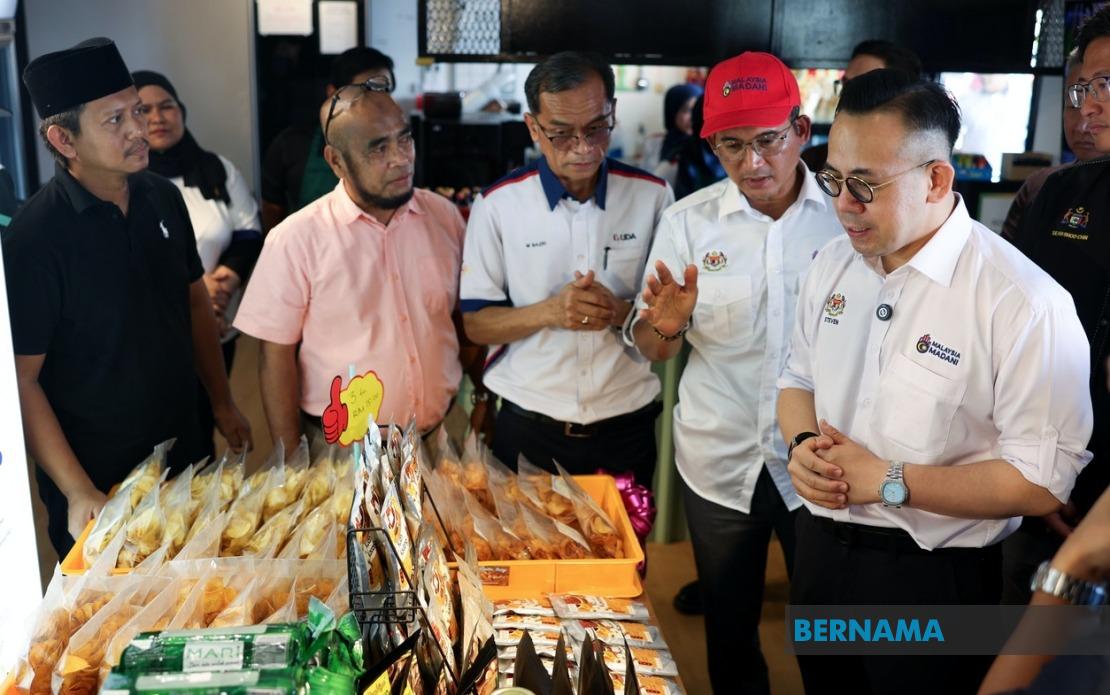
Malaysia's micro-lending agency is preparing to revolutionise how quickly entrepreneurs can access small-ticket financing, with Entrepreneur Development and Cooperatives Minister Datuk Steven Sim Chee Keong announcing plans for a dramatically accelerated approval process during the Karnival Hebatkan Perniagaan Malaysia in Melaka. The target of completing approvals for loans under RM20,000 within a single day represents a significant shift from existing timelines, addressing a long-standing pain point for cash-strapped business operators struggling to bridge working capital gaps.
TEKUN Nasional, the government's primary microfinance institution, is currently testing the rapid-approval framework and expects to roll it out commercially within two to three months. The initiative responds to mounting frustration among Malaysia's vast network of microenterprises, which collectively employ millions of workers but frequently encounter funding bottlenecks that constrain growth and operational flexibility. By compressing the decision-making timeline, the agency aims to inject much-needed speed into a sector where delayed approvals can mean missed opportunities, inability to meet payroll, or loss of market share to better-capitalised competitors.
The urgency behind this initiative reflects growing recognition that traditional lending cycles—typically stretching across weeks—represent a structural disadvantage for informal traders, hawkers, and home-based producers operating on thin margins with minimal cash reserves. Speed of access to credit has become a critical competitive factor in Southeast Asia's increasingly dynamic MSME ecosystem, where businesses must respond swiftly to market shifts and supply-chain disruptions. TEKUN Nasional's proposed 24-hour turnaround would position Malaysia more competitively alongside regional peers experimenting with fintech-enabled instant lending platforms.
The agency already operates existing approval pathways, with financing applications reaching RM100,000 currently processed within seven days through TEKUN Nasional channels. Partner institutions SME Bank and Bank Rakyat further expand options, committing to process loans up to RM1 million within 14 days. However, the sub-RM20,000 segment—where the majority of micro-entrepreneurs operate—has lacked a dedicated fast-track mechanism, explaining why the minister specifically highlighted this underserved bracket for accelerated treatment.
Complementing the expedited approval push, TEKUN Nasional has launched a new digital portal functioning as a centralised information and application hub. This online platform consolidates financing details, enables remote application submission, publishes training and programme announcements, and displays office locations nationwide. Digital integration represents essential infrastructure for delivering the promised speed, eliminating geographical barriers that previously forced applicants to visit physical branches and reducing manual processing delays inherent in paper-based systems.
The financial scale of TEKUN Nasional's operations underscores the programme's significance within Malaysia's broader economic support architecture. As of May 31, the ministry reported approving RM92 million in financing benefiting more than 4,300 entrepreneurs specifically in Melaka, demonstrating substantial regional deployment. Nationally, cumulative approvals reached RM5 billion supporting over 180,000 enterprises, indicating that TEKUN Nasional functions as a genuinely consequential funding source for Malaysia's MSME base rather than a marginal programme.
Ambitions extend considerably further. Under the PowerUp10k initiative, the ministry targets deploying RM15 billion in financing throughout the financial year to microenterprises nationwide. This represents a substantial commitment reflecting government determination to address persistent capital access challenges in the MSME segment, which studies consistently identify as a primary constraint limiting expansion and job creation potential. The financing deployment targets suggest TEKUN Nasional expects to treble existing approval volumes, implying significant operational scaling alongside process acceleration.
For Malaysian microentrepreneurs, the implications of this initiative extend beyond mere convenience. Access to working capital within 24 hours effectively transforms business planning horizons, enabling operators to capitalise on bulk-purchase discounts, seasonal opportunities, and emergency equipment replacements without derailing operations. The psychological reassurance of knowing financing can be secured rapidly also encourages entrepreneurial risk-taking and investment in modest business improvements, fostering the incremental innovation that characterises healthy MSME ecosystems.
The Melaka carnival also hosted attendance from Deputy Minister Datuk Mohamad Alamin and senior KUSKOP officials, signalling institutional commitment to the initiative's success. Such political engagement suggests this represents more than bureaucratic routine adjustments but rather part of deliberate strategy to strengthen Malaysia's competitive positioning in attracting and retaining MSME talent and economic activity, particularly as informal-sector workers increasingly gain policy attention and resource allocation.
Regionally, Malaysia's emphasis on accelerating MSME financing approval times aligns with broader Southeast Asian trends where governments increasingly view small-business capability as essential for inclusive growth and employment resilience. Thailand, Vietnam, and Indonesia have similarly invested in digital lending platforms and expedited approval mechanisms, recognising that rapid credit access directly correlates with MSME survival rates during economic downturns. Malaysia's two to three-month timeline for launching this capability suggests competitive positioning awareness, though success ultimately hinges on execution quality and whether the promised 24-hour processing proves sustainable under operational volume increases.
Looking forward, the true test of whether this initiative delivers intended impact will emerge once the pilot concludes and full-scale rollout begins. Maintaining approval speed while managing credit quality and default rates represents the fundamental tension inherent in rapid-approval lending. TEKUN Nasional must therefore invest concurrently in robust risk assessment methodologies that function efficiently within compressed timeframes, preventing the acceleration from becoming a liability masquerading as a feature.
%22%2F%3E%3C%2Fpattern%3E%3C%2Fdefs%3E%3Crect%20width%3D%22100%25%22%20height%3D%22100%25%22%20fill%3D%22url(%23ph1f6pzg)%22%2F%3E%3Crect%20width%3D%22100%25%22%20height%3D%22100%25%22%20fill%3D%22url(%23ph1f6pzp)%22%2F%3E%3Ctext%20x%3D%2250%25%22%20y%3D%2250%25%22%20text-anchor%3D%22middle%22%20dominant-baseline%3D%22central%22%20fill%3D%22rgba(255%2C255%2C255%2C0.95)%22%20font-family%3D%22Georgia%2C%20'Times%20New%20Roman'%2C%20serif%22%20font-weight%3D%22700%22%20font-size%3D%22151%22%20letter-spacing%3D%22-0.02em%22%3EPerikatan%3C%2Ftext%3E%3C%2Fsvg%3E)
%22%2F%3E%3C%2Fpattern%3E%3C%2Fdefs%3E%3Crect%20width%3D%22100%25%22%20height%3D%22100%25%22%20fill%3D%22url(%23ph5mwpng)%22%2F%3E%3Crect%20width%3D%22100%25%22%20height%3D%22100%25%22%20fill%3D%22url(%23ph5mwpnp)%22%2F%3E%3Ctext%20x%3D%2250%25%22%20y%3D%2250%25%22%20text-anchor%3D%22middle%22%20dominant-baseline%3D%22central%22%20fill%3D%22rgba(255%2C255%2C255%2C0.95)%22%20font-family%3D%22Georgia%2C%20'Times%20New%20Roman'%2C%20serif%22%20font-weight%3D%22700%22%20font-size%3D%22272%22%20letter-spacing%3D%22-0.02em%22%3EWorld%3C%2Ftext%3E%3C%2Fsvg%3E)
%22%2F%3E%3C%2Fpattern%3E%3C%2Fdefs%3E%3Crect%20width%3D%22100%25%22%20height%3D%22100%25%22%20fill%3D%22url(%23ph7ryqg)%22%2F%3E%3Crect%20width%3D%22100%25%22%20height%3D%22100%25%22%20fill%3D%22url(%23ph7ryqp)%22%2F%3E%3Ctext%20x%3D%2250%25%22%20y%3D%2250%25%22%20text-anchor%3D%22middle%22%20dominant-baseline%3D%22central%22%20fill%3D%22rgba(255%2C255%2C255%2C0.95)%22%20font-family%3D%22Georgia%2C%20'Times%20New%20Roman'%2C%20serif%22%20font-weight%3D%22700%22%20font-size%3D%22320%22%20letter-spacing%3D%22-0.02em%22%3EIAEA%3C%2Ftext%3E%3C%2Fsvg%3E)