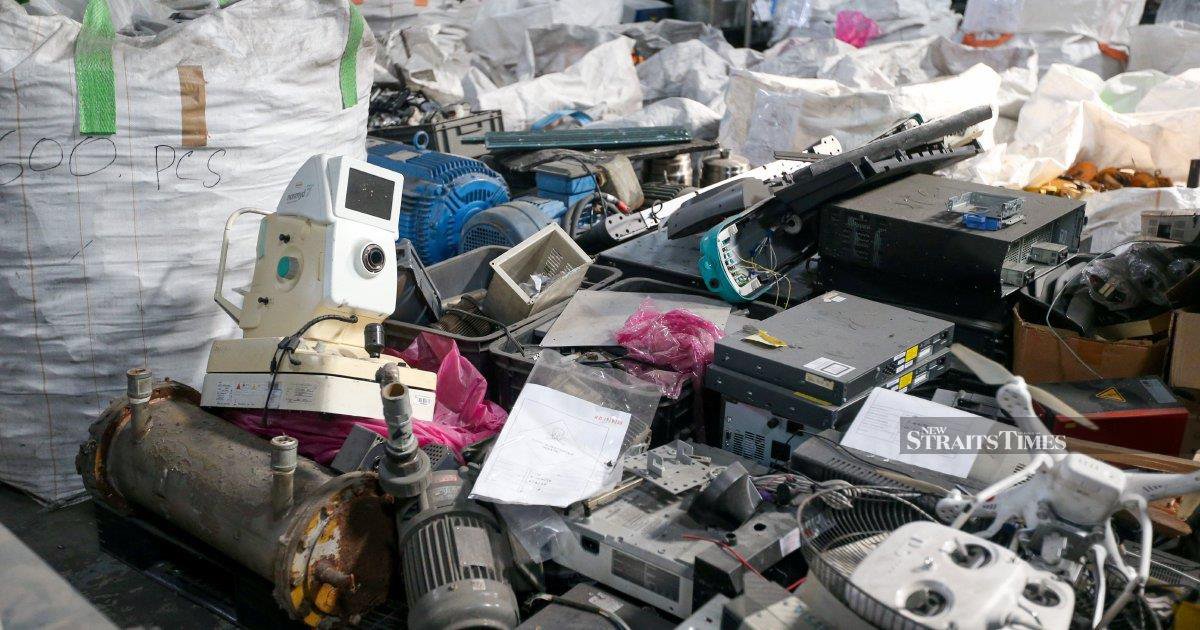
The General Operations Force, Malaysia's paramilitary law enforcement agency, faces serious scrutiny following the arrest of ten of its personnel in connection with an alleged extortion scheme targeting an e-waste processing facility located in Tasek Gelugor, Penang. The development marks a significant moment in efforts to combat misconduct within government security forces, underscoring ongoing concerns about institutional accountability and the misuse of official position for personal gain.
The arrests signal that investigative authorities have gathered sufficient evidence to warrant detaining the uniformed personnel for questioning regarding their alleged involvement in pressuring the e-waste factory for money or other benefits. E-waste processing has emerged as a critical environmental and economic sector across Southeast Asia, particularly as countries grapple with managing electronic refuse while extracting valuable materials. Penang has positioned itself as a hub for such recycling operations, making the alleged extortion particularly damaging to the state's reputation as an investment destination and environmental steward.
The Tasek Gelugor facility represents an important component of Malaysia's circular economy aspirations, processing discarded electronics to recover precious metals, copper, and other reusable components. Allegations that public officials may have systematically extracted money from operators of such facilities raise troubling questions about the cost of doing legitimate business in Malaysia and whether regulatory compliance has become conflated with paying unofficial fees to uniformed personnel.
Historically, concerns about abuse of power by enforcement agencies have surfaced periodically across the country. The GOF, established to support police operations and maintain public order, carries significant authority and operates with considerable operational discretion. When individual officers exploit this power for personal enrichment, it fundamentally undermines public confidence in law enforcement institutions and creates perverse incentives that discourage legitimate business activity, particularly in sectors already facing complex regulatory requirements.
The timing of these arrests occurs amid heightened national discourse about strengthening institutional integrity and root causes of corruption. Malaysian authorities have increasingly demonstrated willingness to investigate and prosecute officials regardless of rank, signalling that no sector remains exempt from scrutiny. This particular case extends beyond typical graft investigations by potentially implicating multiple personnel within a single unit, suggesting either coordinated misconduct or systemic failures in supervision and accountability mechanisms.
For Penang's business community, particularly enterprises operating in environmentally sensitive sectors, the investigation presents both challenge and opportunity. While the extortion allegations themselves may discourage some investment, transparent investigation and prosecution can ultimately strengthen confidence in the business environment by demonstrating that officials cannot operate with impunity. The state government and federal agencies have vested interests in resolving the matter swiftly and comprehensively, protecting Penang's positioning as a responsible and secure place for legitimate enterprises.
The e-waste sector specifically carries growing importance for regional economic development and environmental management. As electronic consumption accelerates across Asia, the proper handling of waste materials becomes increasingly critical for protecting soil and water resources from toxic substances. Malaysia has sought to develop domestic capacity in this area rather than exporting environmental costs to developing nations. Interference with legitimate operators in this sector thus carries implications beyond simple criminal misconduct, potentially undermining environmental policy objectives and regulatory credibility.
Investigators will likely examine internal communication records, financial transactions, and testimony from factory operators and affected workers to establish the scope and duration of the alleged extortion scheme. Key questions include whether demands were formally documented, how pressure was applied, what specific sums were extracted, and whether the conduct was isolated to individual officers or reflected broader unit practices requiring organisational reform.
The GOF's response to these allegations will substantially shape institutional reputation moving forward. Senior leadership must demonstrate commitment to investigating thoroughly, holding individuals accountable through the criminal justice system, and implementing preventative measures to reduce future misconduct. This may include revised operational protocols, enhanced financial monitoring, and strengthened mechanisms for reporting improper conduct internally and externally.
For Malaysian citizens and businesses, the case underscores the importance of robust oversight mechanisms for government agencies exercising coercive power. Regular audits, complaint procedures with genuine protection for whistleblowers, and rotation policies can mitigate opportunities for systematic abuse. The arrests themselves represent an encouraging signal that such mechanisms exist and function, though their effectiveness ultimately depends on sustained commitment to transparency and accountability at all organisational levels.
As investigations proceed, outcomes will reverberate across the broader security sector and civil service, influencing perceptions of whether officials genuinely face consequences for abusing their positions. The case also provides opportunity for examining whether environmental and waste management regulatory frameworks create excessive opportunities for discretionary enforcement that can be weaponised for improper purposes. Streamlining requirements and establishing clear operational guidelines can reduce such vulnerabilities while enhancing regulatory clarity for legitimate businesses.

