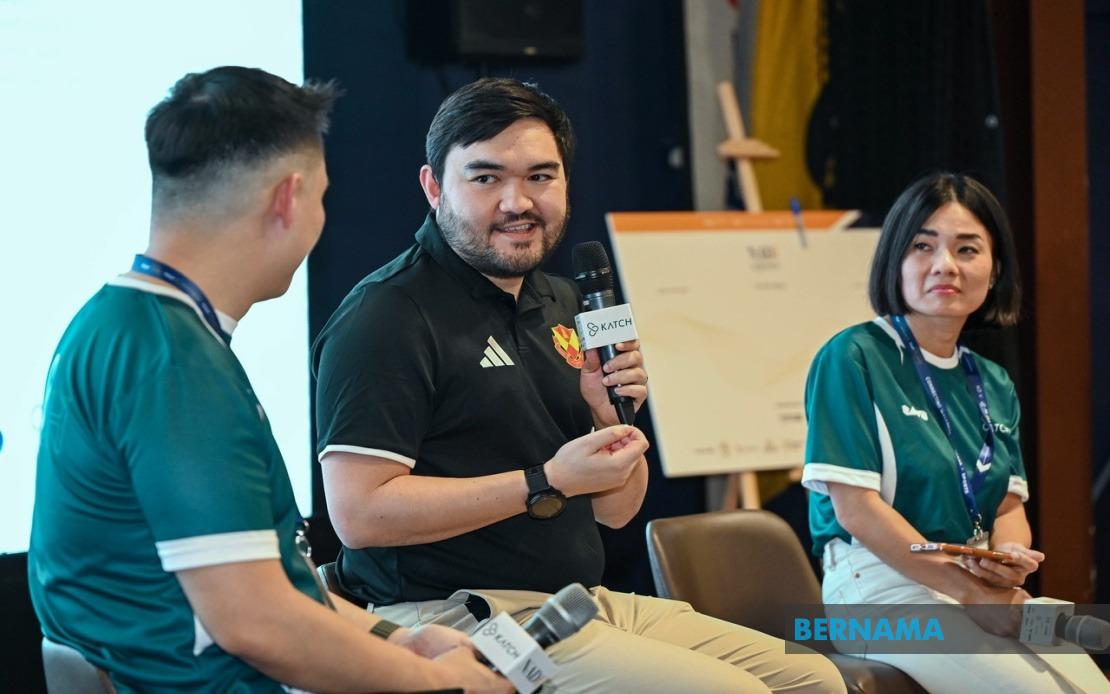
Selangor's commanding performance at the Malaysia Games 2026, which saw the state capture overall honours with 101 gold medals, 73 silver and 71 bronze, has prompted a fresh push for deeper investment in youth sports development. Raja Muda Tengku Amir Shah Sultan Sharafuddin Idris Shah argues that maintaining this competitive momentum requires a strategic shift toward regular grassroots competitions that keep young athletes engaged throughout the year rather than focusing solely on major events.
At the NADI Connecting Wellness, Fitness and Sports With RMS event in Petaling Jaya, Tengku Amir Shah outlined a vision for sustained sports excellence that extends beyond medal tallies at prestigious tournaments. His perspective reflects an understanding that elite performance ultimately depends on a broad base of active youth participating in competitive settings. Regular weekend competitions, he contends, provide the structural foundation that transforms casual participation into purposeful athletic development.
The Raja Muda emphasised that young athletes require tangible training targets and regular competitive opportunities to develop what he describes as a winning mindset. Without consistent platforms to test their abilities against peers, even talented individuals struggle to build the mental resilience and goal-oriented discipline that distinguishes champions from recreational players. This principle applies across all sporting disciplines, from traditional organised sports to emerging activities gaining popularity among Malaysian youth.
Tengku Amir Shah's commitment to grassroots development extends back years, predating his deeper involvement with football and state-level sports governance. His hands-on experience establishing the Selangor Champions League demonstrated how community-level tournaments could simultaneously serve two critical functions: identifying talented individuals who might otherwise remain undiscovered and elevating the overall competitive standard within participating communities. The league brought together active social football teams across Selangor, creating a structured competitive environment where the best teams could be determined through regular matches rather than ad hoc challenges.
The lessons learned from football's grassroots initiatives are directly transferable to other sports gaining traction in Malaysia. Tengku Amir Shah specifically highlighted pickleball and chess as activities where similar competitive league structures could unlock latent talent and build stronger community participation. Both sports have experienced remarkable growth in Malaysia over recent years, particularly among younger demographics, yet they often lack the organised competitive frameworks that football enjoys. Establishing regular, accessible competitions in these sports could significantly expand participation while simultaneously identifying individuals capable of representing Malaysia at international levels.
The selection of specific sports for Selangor's SUKMA 2026 participation itself demonstrated strategic thinking about athlete development and competitive opportunities. By fielding competitors across multiple disciplines, the state created broader platforms for young athletes to showcase not only technical skill but also sportsmanship and competitive character. This multi-sport approach recognises that athletic development encompasses more than physical prowess; it builds character and resilience applicable far beyond the playing field.
Selangor's SUKMA success cannot be viewed as an isolated achievement but rather as validation of a deliberate investment strategy in youth sports infrastructure. Tengku Amir Shah's current advocacy for expanded grassroots competitions represents an effort to consolidate and extend that advantage. States seeking to replicate Selangor's success must look beyond hosting capabilities and medal ambitions to examine the underlying systems that develop talent continuously rather than sporadically.
The emphasis on weekend competitions reflects practical understanding of youth schedules and the need to integrate sports into regular community rhythms. When competitions occur only occasionally or concentrate around major events, young athletes lack consistent motivation for sustained training efforts. Regular fixtures create a weekly cycle of preparation, competition, reflection and improvement that builds habits and mentality essential for long-term athletic development.
Tengku Amir Shah's vision aligns with international best practices in sports development, where successful nations typically maintain pyramid structures with broad grassroots bases feeding into increasingly selective pathways. Malaysia's challenge has often been the relative weakness of this foundational layer, with too many talented young people never accessing structured competitive opportunities. Regular grassroots competitions directly address this structural gap.
The NADI event itself, which brought together 50 wellness, fitness and sports leaders alongside Tengku Amir Shah, suggests growing recognition within Malaysia's sports sector that competitive excellence and public health both benefit from expanded athletic participation. Connecting diverse voices within the fitness and wellness community with sports governance provides opportunities to align efforts and identify synergies that might otherwise remain fragmented.
For neighbouring Southeast Asian nations and Malaysian states not yet matching Selangor's competitive dominance, the Raja Muda's prescription offers a replicable model. Success at major games derives not from sudden intense preparation in Olympic years but from steady, continuous development of youth through accessible regular competition. Building this infrastructure requires sustained commitment and resources, but yields compounding returns as each generation of young athletes passes through improved competitive environments.
The practical implication for Malaysian sports administration is clear: championship success demands investment in competition infrastructure at grassroots levels. While elite training facilities and national teams capture headlines, the unglamorous work of organising regular youth competitions across multiple sports and communities represents the true foundation of athletic excellence. Tengku Amir Shah's advocacy for expanded grassroots platforms suggests Selangor intends to maintain its competitive edge not through resting on SUKMA laurels but through systematic deepening of youth sports engagement.

