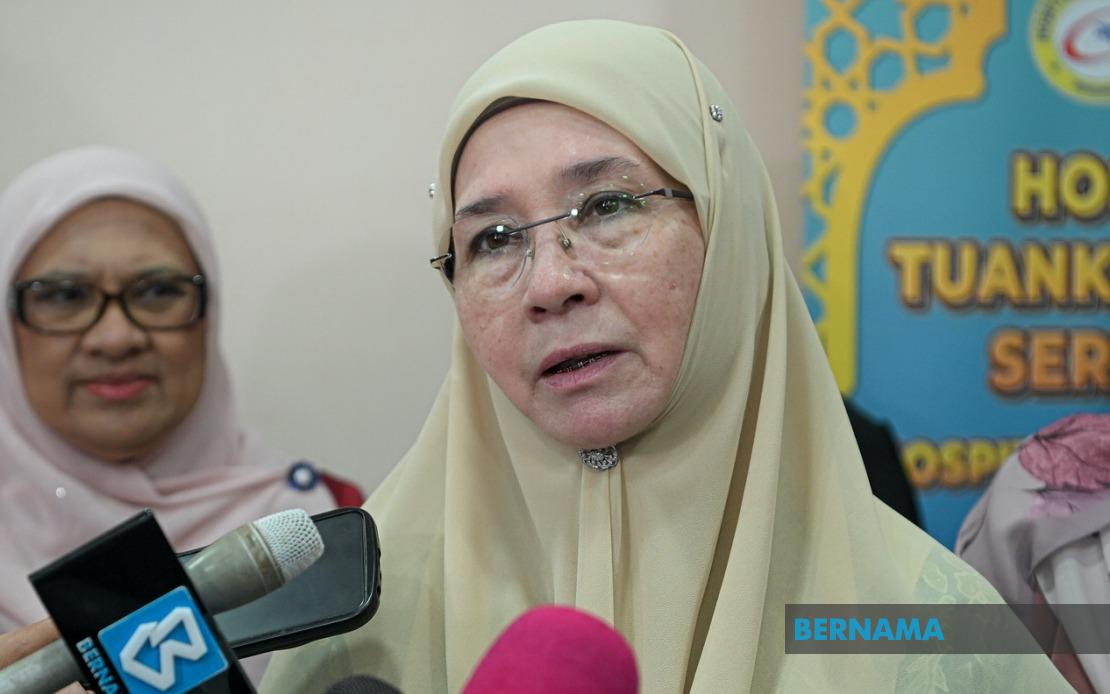
The Tengku Ampuan Pahang has stepped into the escalating land crisis affecting the Orang Asli community in Kampung Sungai Cot, Maran, by offering sanctuary on private property she owns. Through her Comptroller of the Royal Household, Major General Datuk Mohamed Zahari Yahya, Tunku Azizah Aminah Maimunah Iskandariah signalled her personal investment in resolving the displacement of indigenous families caught in a contentious property dispute that has drawn national attention and concern from the federal government.
The gesture represents more than symbolic support for a marginalised community. Tunku Azizah has extended an invitation for affected Orang Asli families to temporarily relocate to land she owns in Kuala Wau, also in Maran district, with explicit assurances about their long-term security. This move addresses the immediate humanitarian crisis while attempting to provide breathing room for a negotiated resolution to the underlying dispute that has destabilised the Kampung Sungai Cot settlement.
According to Mohamed Zahari's statement, the Tengku Ampuan Pahang views the Orang Asli not merely as residents of the state but as a community occupying a distinctive place in her understanding of Pahang's heritage and development. Her academic pursuits, specifically through thesis work currently under way, have deepened her appreciation for the historical and ongoing contributions indigenous communities have made to the state's formation and prosperity. This scholarly engagement has translated into concrete action rather than remaining confined to intellectual exercise.
Crucially, Tunku Azizah has incorporated protective language into the offer that speaks to persistent vulnerabilities faced by indigenous communities. Should development occur on the Kuala Wau land in future, the Comptroller assured that resettled Orang Asli families would retain housing rights and protection against marginalisation. This commitment acknowledges a pattern whereby indigenous populations are frequently displaced through development cycles, losing both land and livelihoods as projects advance without adequate safeguards for original occupants.
The offer extends beyond the immediate crisis in Kampung Sungai Cot. Any Orang Asli families requiring shelter or seeking new settlements may apply to reside on the Tengku Ampuan Pahang's Kuala Wau property, subject to royal approval and compliance with existing legal frameworks. This broader openness signals recognition that land insecurity affects indigenous communities across Pahang more systemically, though the specific dispute in Maran has catalysed this intervention.
The humanitarian dimension carries political significance within Malaysia's federal structure. Land administration remains a state responsibility, placing primary accountability on Pahang's government to manage the dispute. However, Prime Minister Datuk Seri Anwar Ibrahim's announced intention to engage with Pahang authorities indicates the dispute has acquired sufficient gravity to warrant federal-level attention, suggesting either complexity requiring higher coordination or political pressure mounting around the issue.
Tunku Azizah's concurrent call for all parties to pursue constructive dialogue and mutual understanding adds diplomatic weight to the resettlement offer. By publicly urging resolution through consultation rather than confrontation, she positions the royal household as a neutral arbiter while simultaneously protecting the Orang Asli community from further marginalisation. The emphasis on fair and balanced outcomes that protect all interests reflects awareness that sustainable resolution requires addressing legitimate claims rather than simply displacing the dispute geographically.
The timing of this intervention reflects evolving royal engagement with indigenous welfare issues in Malaysia. Recent years have witnessed increasing royal patronage of Orang Asli causes, though translating concern into concrete land security remains rare. Tunku Azizah's offer, backed by personal property, establishes a precedent that royal commitment can manifest as tangible asset deployment rather than rhetorical sympathy alone.
For the broader Malaysian context, the Maran situation exemplifies tensions between property rights, development pressures, and indigenous land security that permeate multiple states. Pahang's experience navigating this dispute may establish templates for addressing similar conflicts elsewhere. The involvement of both state and federal authorities, combined with royal intervention, suggests multistakeholder approaches may become more common as indigenous land issues gain political salience across Southeast Asia's more developed economies.
The resettlement arrangement also raises questions about sustainability and scale. While addressing immediate displacement, temporary housing solutions require follow-through to prevent cyclical crises. The Tengku Ampuan Pahang's assurances about long-term protection suggest commitment extending beyond emergency measures, yet implementation will depend on sustained coordination among royal household management, state land authorities, and federal oversight bodies tasked with indigenous welfare.
This intervention demonstrates how constitutional monarchies can leverage non-governmental assets and moral authority to address governance gaps, particularly concerning vulnerable populations often underserved by standard bureaucratic channels. The Orang Asli community's historical marginalisation in land disputes may find temporary reprieve through royal protection, though structural solutions ultimately require legislative and administrative reforms addressing indigenous land rights comprehensively rather than case-by-case interventions.

