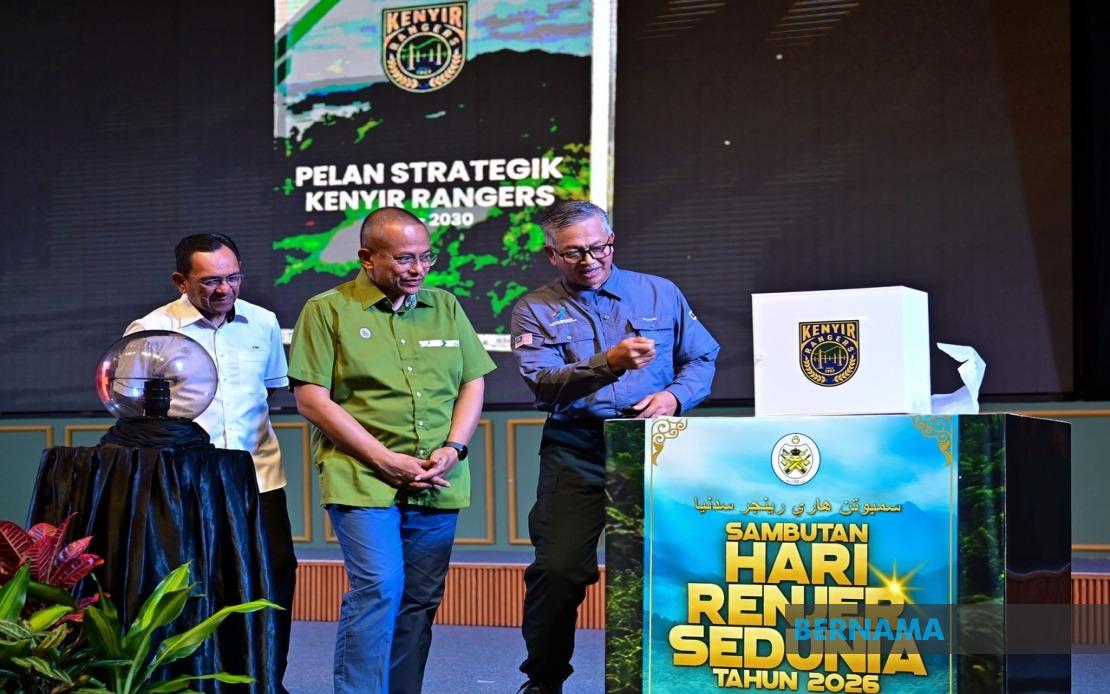
Tackling the escalating problem of human-wildlife confrontations, particularly involving elephants on Malaysia's major transport arteries, demands a more cohesive strategy involving all relevant stakeholders, according to Terengganu Menteri Besar Datuk Seri Dr Ahmad Samsuri Mokhtar. Speaking at the state-level World Ranger Day 2026 celebration held at Wisma Darul Iman in Kuala Terengganu, he underscored the urgency of bringing together multiple agencies to design and implement preventative measures before more lives—both human and animal—are lost to these increasingly frequent encounters.
The recent tragedy on August 5, when a couple was severely injured after their Toyota Estima collided with a herd of elephants at kilometre 274.6 of the East Coast Expressway 2 near the Cheneh Toll Plaza, has cast a harsh spotlight on the vulnerabilities inherent in Malaysia's current approach to wildlife management along busy highways. This incident represents not merely an isolated accident but rather a symptom of a broader systemic failure to reconcile infrastructure development with habitat preservation. The menteri besar's intervention signals that the state government recognises the severity of the situation and is prepared to champion cross-agency collaboration to address it.
Central to Ahmad Samsuri's proposed framework is enhanced coordination between the Wildlife and National Parks Department and the Malaysian Highway Authority, two bodies whose mandates have traditionally operated in relative isolation. By fostering genuine cooperation between conservation experts and highway infrastructure managers, authorities can develop integrated responses that balance the competing demands of maintaining safe passage for motorists while simultaneously protecting wildlife corridors. This collaborative model represents a departure from siloed approaches and acknowledges that effective wildlife management along expressways requires technical expertise from multiple domains.
Among the concrete measures being considered are intensified patrols at identified collision hotspots, particularly during high-risk periods. The menteri besar specifically highlighted the rainy season as a critical window when animals are more likely to abandon their habitats seeking shelter and sustenance, thereby increasing the probability of dangerous encounters with vehicular traffic. Strategic patrol deployment during these vulnerable months could provide early warnings and potentially allow authorities to temporarily manage traffic flow or implement temporary wildlife deterrence measures. Such targeted interventions represent a more resource-efficient approach than attempting to maintain constant surveillance across the entire expressway network.
Electric fencing emerges as another promising intervention, though Ahmad Samsuri acknowledged the substantial financial implications of implementing such barriers along the extensive stretches of Malaysia's highway system. Rather than pursuing blanket electrification, a more pragmatic approach involves installing protective barriers near identified wildlife habitats and established animal migration routes. This targeted deployment strategy could significantly reduce collision risks while remaining financially sustainable. The government is actively exploring technological alternatives to supplement or potentially replace traditional fencing solutions, recognising that innovation may yield more cost-effective long-term outcomes.
The menteri besar's emphasis on technology-driven early warning systems reflects a forward-looking approach to wildlife management in an increasingly urbanised landscape. Advanced monitoring systems capable of detecting animal movements and alerting drivers in real time could fundamentally transform road safety dynamics. Such infrastructure investments represent significant commitments but could prevent tragedies and protect both communities and endangered species. The integration of artificial intelligence and sensor technologies with highway infrastructure represents an frontier in balancing development with conservation imperatives.
For Malaysian motorists, these discussions carry immediate implications regarding their safety on one of the nation's critical transport corridors. The East Coast Expressway 2 serves as a vital economic artery connecting northern and central Peninsular Malaysia, yet its passage through wildlife habitats creates inherent dangers that have previously received insufficient attention. Enhanced safety measures would reassure commuters and commercial drivers that authorities are taking their concerns seriously whilst simultaneously acknowledging that coexistence with wildlife is an inescapable reality in a rapidly developing nation.
The human cost of wildlife-vehicle collisions extends beyond the immediate injury and trauma experienced by accident victims. Emergency responders, highway maintenance personnel, and surrounding communities all bear witness to these tragedies, creating broader psychological and social impacts. By treating these incidents as systemic problems requiring coordinated solutions rather than isolated accidents, policymakers can address underlying causes rather than merely responding to consequences. Ahmad Samsuri's intervention demonstrates recognition that such incidents reflect inadequate planning and preparation rather than inevitable occurrences.
For conservation advocates, the menteri besar's statements offer cautious encouragement that state-level leadership is willing to champion wildlife protection within the constraints of economic development. However, meaningful implementation will require sustained political will, adequate budgetary allocation, and genuine commitment from highway authorities to modify existing operations. The true test will come as concrete measures are translated into actionable policies and resource allocation decisions over the coming months.
The challenge of managing human-wildlife conflict along major expressways mirrors broader tensions within Southeast Asia's development trajectory. As nations pursue economic growth through infrastructure expansion, wildlife habitats face unprecedented pressure. Malaysia's experience on the East Coast Expressway 2 offers lessons not only for domestic policymakers but also for regional neighbours grappling with similar challenges. A coordinated, technologically-informed approach to wildlife management represents a viable model for balancing conservation with development objectives.

