The Terengganu state government is preparing to bring together tourism operators, enforcement agencies, and environmental stakeholders for a critical discussion on the deteriorating condition of Pulau Redang's coral ecosystems. Datuk Razali Idris, chairman of the Terengganu Tourism, Culture, Environment and Climate Change Committee, announced that the engagement session will take place between August 26 and 28, marking a significant coordinated response to mounting evidence of reef degradation linked to irresponsible boating practices in protected marine zones.
The catalyst for this intervention appears to be growing concern over day-trip operators anchoring vessels in prohibited areas, a practice that destroys fragile coral formations and undermines decades of conservation efforts. Razali emphasised that the state government views such behaviour as fundamentally incompatible with responsible tourism stewardship, particularly when marine reserves depend on strict adherence to operational guidelines. His comments reflect the tension between commercial tourism interests and the imperative to preserve one of Malaysia's most ecologically significant coastal attractions.
Pulau Redang's international reputation as a premier diving and marine tourism destination makes it economically valuable for Terengganu and the broader Malaysian tourism sector. However, this popularity creates acute pressure on fragile underwater ecosystems that take centuries to develop. The island's coral reefs constitute irreplaceable natural capital, and their degradation threatens not only the biodiversity that underpins the island's appeal but also the long-term viability of tourism operations themselves. When operators prioritise short-term profit maximisation over environmental sustainability, they inadvertently undermine the very foundation of their business model.
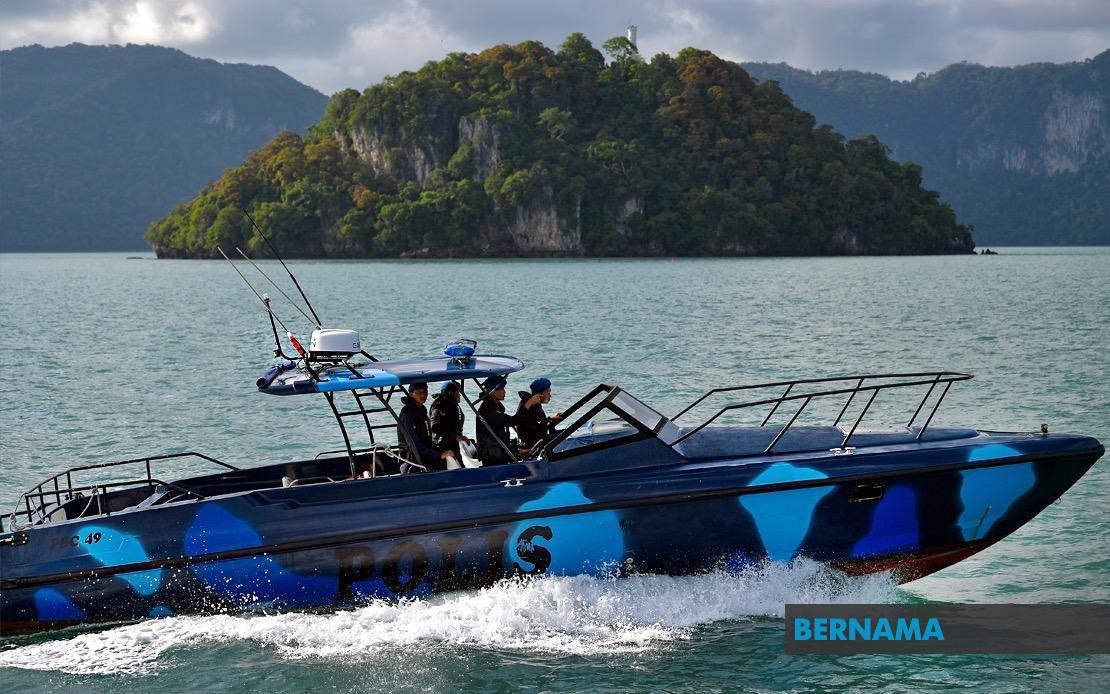
Razali made clear that the upcoming meeting will transcend mere dialogue, instead functioning as a preparatory forum for implementing enhanced enforcement mechanisms. The committee is contemplating a range of regulatory measures, including stricter reviews of permits issued to day-trip boat operators and potentially substantial increases in financial penalties for violations. Such an approach suggests recognition that existing enforcement frameworks have proven insufficient to deter non-compliance, a problem common across Southeast Asia's marine tourism sector where capacity constraints and resource limitations often hamper effective patrol and monitoring.
The state government's willingness to consider permit revocation or substantial penalty escalation signals a harder stance than has previously been evident. For operators found egregiously flouting rules or causing demonstrable environmental damage, Razali indicated that no leniency will be granted, suggesting that permits could be suspended or cancelled. This represents a departure from more accommodative approaches and reflects deepening frustration with operators who persist in damaging practices despite regulatory warnings.
Malaysian marine conservation specialists have long highlighted the paradox whereby tourism revenue provides crucial incentives for protecting marine areas, yet uncontrolled tourism simultaneously degrades the ecosystems it depends upon. Pulau Redang exemplifies this contradiction. The island generates substantial income for local communities and the state government through visitor fees, accommodation, and related services. Yet without rigorous operational standards enforced uniformly across all operators, the tourism model becomes self-defeating as deteriorating reef conditions drive away discerning tourists and degrade the island's competitive position relative to other regional diving destinations.
The involvement of non-governmental organisations and community groups in the engagement process is particularly significant. These stakeholders often possess detailed field knowledge about ongoing violations and can provide on-the-ground testimony about enforcement gaps. Their participation legitimises the process and builds broader consensus around stricter measures, potentially encouraging operators to view regulatory tightening as a collective necessity rather than arbitrary government intervention. Furthermore, NGO-led conservation initiatives have invested substantial resources into reef restoration and monitoring, making them valuable partners in designing more effective compliance frameworks.
For Malaysia's tourism industry and conservation agenda, the Terengganu initiative carries symbolic and practical importance. It demonstrates that state governments are prepared to prioritise environmental protection even when confronting economic actors with significant influence. Southeast Asia's tourism-dependent economies frequently face pressure to weaken environmental standards to attract operators and maximise revenue, making firm government positions increasingly rare and noteworthy. If Terengganu successfully implements tougher enforcement, the approach could serve as a model for other Malaysian states managing sensitive marine environments, particularly those in Sabah and Sarawak facing similar tensions between development and conservation.
The timing of the August engagement session provides a critical window for reversing negative trends before further damage occurs. Coral reefs possess limited regenerative capacity, and each episode of physical damage compounds previous injuries, potentially pushing ecosystems toward irreversible tipping points. Decisive intervention now could prevent Pulau Redang from becoming yet another cautionary tale of marine degradation driven by inadequately regulated tourism. The stakes extend beyond Terengganu's borders, as the island represents Malaysia's broader commitment to sustainable tourism in Southeast Asia and supports regional conservation efforts that depend on protecting representative reef systems across multiple jurisdictions.

