Thai aviation officials have initiated formal inquiries into a significant drug trafficking case involving one of their crew members, following her detention by Australian authorities at Melbourne Airport last week. The incident has prompted coordinated responses from Thai Airways International, the Civil Aviation Authority of Thailand (CAAT), and multiple law enforcement agencies on both sides of the Tasman, underscoring the complexity of managing aviation security across borders and the reputational stakes for the nation's flagship carrier.
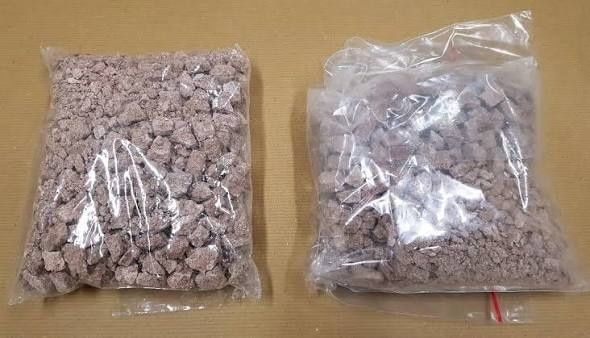
Australian Border Force officers made the discovery during routine screening procedures when an international flight landed at Melbourne Airport on Thursday. X-ray examination of the flight attendant's baggage revealed white powder concealed within the lining of her bags, which testing confirmed to be heroin in excess of one kilogram. The 26-year-old Thai national was subsequently detained, and Australian Federal Police initiated formal proceedings under local legislation. The seizure represents a substantial quantity by any standard, suggesting premeditation and a degree of sophistication in the attempted concealment method.
Thai Airways responded swiftly to the incident through a public statement released Monday via social media, signalling the airline's commitment to transparency and cooperation with legal authorities. The statement emphasised the carrier's intention to establish the complete facts surrounding the case and work within the constraints of Australian legal procedures. This measured approach reflects the delicate balance airlines must maintain between protecting corporate reputation and respecting the judicial processes of foreign jurisdictions where their employees face charges.
The airline reinforced its institutional commitment to regulatory compliance, highlighting strict enforcement mechanisms applicable to all personnel regardless of rank or position, from pilots through to flight attendants. Thai Airways explicitly prohibited employees from possessing, importing, transporting, or engaging in any conduct related to illegal drugs and other prohibited substances. This public reiteration of company policy serves multiple purposes: it reassures passengers and the travelling public of safety standards, distances the organisation from the individual's alleged conduct, and demonstrates to regulators that systemic controls exist to prevent such incidents.
Crucially, Thai Airways characterised the matter as stemming from the individual crew member's personal conduct rather than any systemic failure within the airline's operations or security protocols. The company has engaged relevant Thai and Australian authorities to protect the employee's fundamental legal rights while pledging full cooperation with investigators. This approach reflects recognition that whilst the airline must uphold its reputation and operational standards, it also bears a duty of care toward its staff member as the case progresses through the Australian judicial system.
The Civil Aviation Authority of Thailand's response addressed the broader implications for aviation security infrastructure across Thailand. CAAT confirmed that passenger and baggage screening procedures at all Thai airports comply with its internal regulations and align with international standards established by the International Civil Aviation Organization. This reassurance targets both the travelling public and international aviation partners, emphasising that the incident does not reflect deficiencies in Thailand's domestic security systems. The regulator clarified that whilst aviation authorities manage physical screening to prevent prohibited items reaching aircraft, drug enforcement operations constitute separate criminal jurisdiction handled by statutory authorities with specialist expertise.
CAAT's statement highlighted the integrated, multi-agency nature of modern drug interdiction efforts, requiring cooperation between border agencies, airlines, law enforcement units, and international partners. The regulator noted its coordination with airport operators and other carriers to verify facts and review operational procedures, demonstrating proactive engagement rather than defensive posturing. This collaborative approach reflects accepted best practice in aviation security, where information-sharing and procedural review help prevent recurrence of similar incidents.
The regulatory response also previewed potential consequences should the crew member be found guilty. CAAT indicated it would pursue administrative and disciplinary actions under its aviation law powers, with the explicit objective of maintaining safety standards and public confidence in Thailand's civil aviation system. Such measures might include licence revocation, career-ending sanctions, or other remedial actions designed to reinforce the consequences of regulatory violations and deter future misconduct by other personnel.
The incident carries significant implications for Southeast Asian aviation and broader regional security cooperation. Thailand's tourism and aviation sectors depend substantially on international confidence in safety and security standards. A single incident involving a crew member and narcotics trafficking, whilst not systemic, nonetheless generates reputational consequences requiring careful management. The speed and transparency of official responses from both Thai Airways and CAAT suggest awareness of these sensitivities and commitment to demonstrating institutional competence and integrity.
For Malaysian readers and the broader region, the case illustrates the ongoing challenge of preventing drug trafficking through air transport networks. Despite sophisticated screening technologies and well-developed security protocols, determined individuals continue attempting to exploit their access to aviation systems. The incident underscores that vigilance, international cooperation, and consistent enforcement of personnel standards remain essential components of aviation security architecture across the region.
The coordination between Australian and Thai authorities also demonstrates the practical operation of international legal frameworks in cases involving foreign nationals employed by international carriers. As the case progresses through Australian courts, Thai officials will maintain engagement to ensure their citizen receives appropriate legal representation and procedural fairness, whilst simultaneously addressing any lessons applicable to Thailand's aviation sector. This parallel process—supporting an individual whilst also protecting institutional and public interests—represents a complex but necessary aspect of modern international aviation governance.

