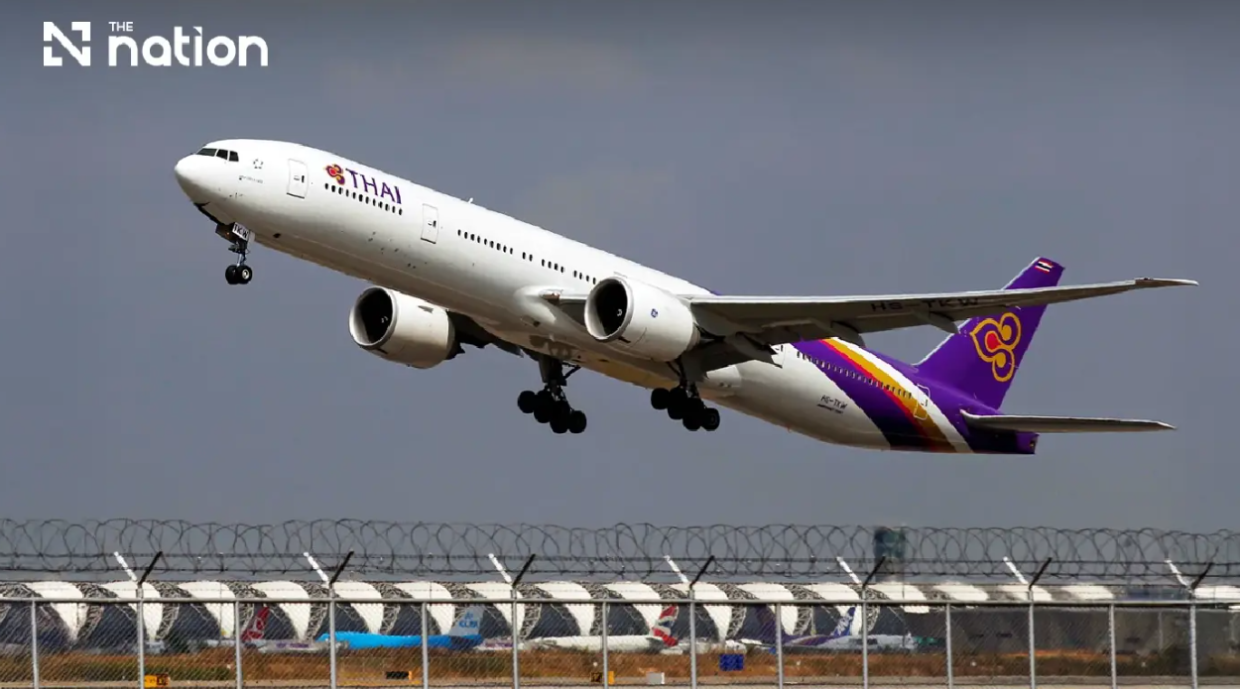
Thai Airways International has declared its complete willingness to work alongside Australian law-enforcement authorities in the case of a cabin crew member arrested at Melbourne Airport with a significant quantity of heroin. Chief executive Chai Eamsiri made the assurance while confirming that the airline will not obstruct the legal proceedings, positioning the investigation firmly within the jurisdiction of Australian courts and police agencies.
On June 25, a 26-year-old Thai Airways employee was apprehended after Australian authorities discovered more than one kilogramme of heroin in her baggage upon arrival at Melbourne Airport. The contraband carries an estimated street value of A$500,000, equivalent to approximately 11.5 million baht. The woman has been charged with importing and possessing a marketable quantity of a border-controlled drug, offences that can result in sentences of up to 25 years imprisonment under Australian law.
In response to the incident, Thai Airways moved swiftly to remove the crew member from active duty and established a fact-finding and disciplinary panel tasked with reviewing the circumstances of the case. The airline has set a seven-day timeline for this internal investigation, though officials indicated the inquiry could conclude sooner depending on the evidence gathered. Chai indicated that should wrongdoing be substantiated through this process, the company is prepared to impose its severest disciplinary measure—termination of employment.
The case presents a significant reputational challenge for Thailand's flagship carrier. Chai acknowledged that the incident has inflicted considerable damage on the airline's standing and could potentially complicate travel arrangements for Thai crew members and citizens entering Australia, though he expressed hope that Australian authorities would evaluate individual cases on their merits rather than applying blanket restrictions to all Thai travellers. This concern reflects broader anxieties within the airline industry about how security incidents involving nationals of one country can affect perceptions of entire populations.
Thai Airways operates with a workforce of more than 4,000 cabin crew members and over 1,000 pilots, making the statistical likelihood of isolated misconduct an ongoing management challenge. Chai conceded that despite comprehensive company policies and pre-flight briefings regarding prohibited items and legal obligations, controlling individual behaviour across such a large workforce remains difficult. He stated that relevant departments have received instructions to enhance supervisory measures in the aftermath of this incident.
The airline's pre-flight protocols already include mandatory briefings for all personnel—pilots, cabin crew, and support staff—designed to ensure understanding of regulations, contraband restrictions, and the distinction between lawful and unlawful conduct. These procedures are part of industry-standard practice, yet this case underscores the gap that can exist between formal policy and actual compliance at the individual level.
Australian authorities have pressed charges through the Australian Federal Police and Australian Border Force. The suspect was remanded in custody on June 26 and is scheduled to make a further court appearance at Melbourne Magistrates' Court on September 14. The extended timeframe between initial detention and next hearing is consistent with Australian criminal procedure for serious drug-trafficking cases.
Thailand's Civil Aviation Authority has initiated its own review of the incident, liaising with the airport operator and Thai Airways to assess whether existing procedures met required standards. The CAAT has confirmed that passenger and baggage screening at Thai airports comply with its own regulatory framework and international standards set by the International Civil Aviation Organization. The authority emphasised that security screening is principally designed to prevent items that could endanger aircraft safety rather than to enforce narcotics laws, which remain the responsibility of dedicated law-enforcement agencies.
The CAAT indicated that it will monitor Thai Airways' internal investigation and may take regulatory action concerning the crew member's aviation credentials should misconduct be confirmed. Such action would serve to reinforce Thailand's commitment to maintaining aviation safety standards and preserving international confidence in the country's civil aviation system. Narcotics enforcement, the authority stressed, requires coordinated effort among domestic and international agencies operating within their respective jurisdictions.
For Southeast Asian readers, this incident highlights the vulnerability of the aviation sector to drug-trafficking attempts, despite layered security measures. It also illustrates how individual criminal actions can trigger systemic reviews across multiple regulatory bodies. The case demonstrates the tension between protecting national reputation and maintaining transparent cooperation with international law enforcement—a balance that Thai Airways appears determined to strike by limiting its role to internal disciplinary processes while deferring substantive legal matters to Australian courts.
The broader implications for the region's aviation industry are significant. Airlines across Southeast Asia increasingly recognise that drug-trafficking risks emanate not only from passengers but from staff members with airport access and knowledge of security procedures. This case will likely prompt other carriers to review their own vetting, supervision, and training protocols. For Thailand specifically, successful cooperation with Australian authorities and transparent handling of the incident may help contain potential damage to the country's aviation reputation and bilateral relations.

