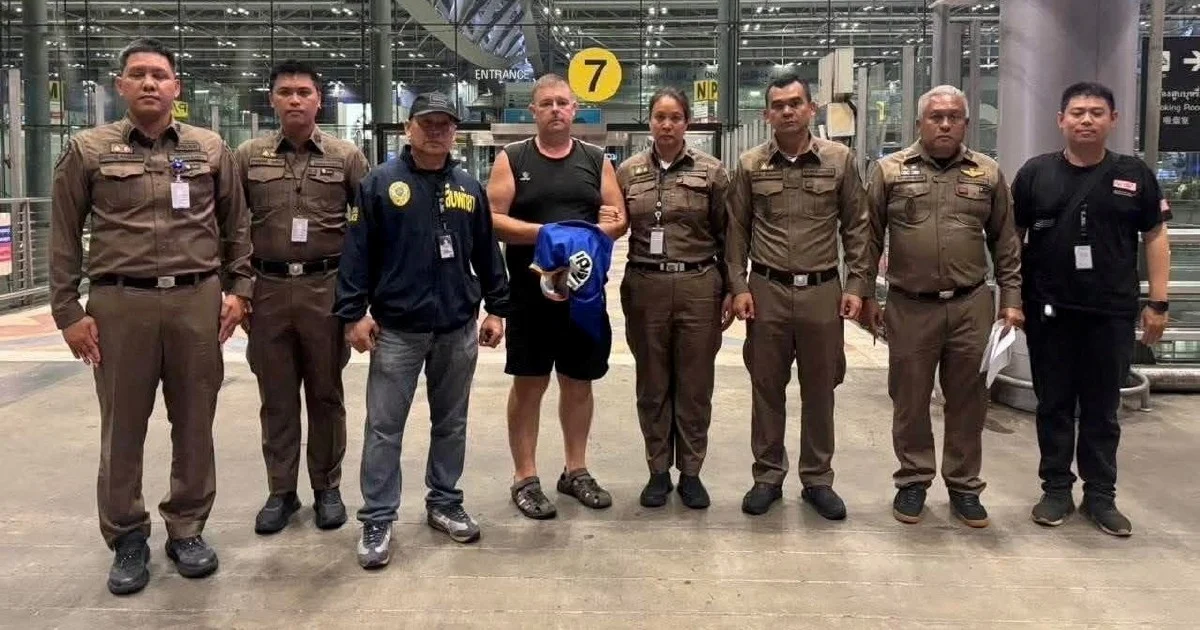
The death of a 17-year-old Thai girl has sent shockwaves through her family and the wider community, with her body discovered concealed in a suitcase in the seaside town of Pattaya. An Australian man currently faces murder charges in relation to the incident, marking another high-profile criminal case involving a foreign national in Thailand. The family's anguish underscores the tragic human dimensions of such cases, which regularly draw international attention to the darker aspects of tourism in Thailand's popular beach destinations.
Details surrounding the discovery remain under investigation by Thai authorities, who have been working to piece together the circumstances that led to the girl's death. The location of Pattaya, long known as a tourism hub situated approximately 150 kilometres southeast of Bangkok, has occasionally featured in criminal cases involving both foreign visitors and local residents. The resort city's prominence in global travel networks means that incidents occurring there often garner significant international media scrutiny and diplomatic attention.
The arrest of an Australian national highlights ongoing concerns about criminal conduct involving foreign residents and visitors in Thailand. Australian citizens have periodically found themselves entangled in serious legal matters while in Thailand, ranging from drug-related offences to violent crimes. Each such case creates complications not only for the individuals involved but also for diplomatic relations between nations and broader perceptions of safety within tourist communities.
Murder charges represent the most severe allegations that can be brought in Thai courts, and they typically result from preliminary investigations indicating substantial evidence linking the accused to the victim's death. Thai law enforcement agencies have developed considerable experience handling international criminal cases, though such matters frequently involve complex jurisdictional questions and require coordination with foreign governments. The investigative process typically includes forensic examination, witness interviews, and reconstruction of events leading to the incident.
Family members of the deceased young woman have expressed their emotional devastation to Thai and international media outlets, reflecting the profound personal tragedy that underlies such criminal cases. In Thai culture, the loss of a family member—particularly a young person with their entire life ahead—carries especially deep significance. Extended family networks typically play crucial supportive roles, and public expressions of grief often include calls for justice and accountability.
The circumstances of how the body came to be placed in a suitcase raise questions about the nature of the crime and whether it was premeditated or resulted from other circumstances. Suitcase discoveries in Thailand have occasionally featured in high-profile cases, each with distinct factual contexts and investigative complexities. Thai authorities typically examine such details meticulously to construct a coherent narrative of events for prosecution purposes.
International criminal cases in Thailand often proceed along dual tracks: Thai legal proceedings and diplomatic communications between the Australian and Thai governments. Australia's Department of Foreign Affairs and Trade typically engages with Thai counterparts to ensure that citizens receive appropriate consular assistance and that their legal rights are protected throughout proceedings. This governmental engagement, however, exists separately from criminal justice processes and does not influence charges or guilt determinations.
For Malaysian and Southeast Asian observers, such incidents reinforce existing discussions about personal safety in regional tourism destinations and the importance of exercising appropriate caution. While Pattaya and similar locations remain extremely popular with visitors from Malaysia and across Asia, the occasional emergence of serious crimes serves as a reminder of the necessity for travellers to remain vigilant and aware of their surroundings. Families of young people, in particular, frequently cite such cases when discussing travel safety with relatives.
The Thai legal system, which has implemented various reforms over recent years, will handle the prosecution of this case through established judicial procedures. Trials in Thailand typically proceed through lower and higher courts, with opportunities for appeal, and the burden of proof remains with prosecutors. The complexity of international murder cases often means that proceedings can extend over considerable periods as evidence is presented and legal arguments are advanced by both prosecution and defence.
Beyond the immediate case, this incident contributes to broader discussions about international cooperation in law enforcement and the challenges posed by transnational crime. Regional policing bodies and information-sharing networks have expanded their capacity to address such matters, though significant variations exist between countries in investigative practices, legal standards, and punishment frameworks. Thai authorities' handling of this case will likely be scrutinised both domestically and internationally.
The tragedy serves as a sombre reminder of the human costs associated with violent crime and the lasting trauma experienced by families who lose loved ones under such circumstances. In Thai society, where community support and spiritual observances often play important roles in mourning processes, the affected family will likely receive support from extended networks and local institutions. The broader community's response reflects both compassion for the family's loss and ongoing concerns about safety within popular tourist areas.

