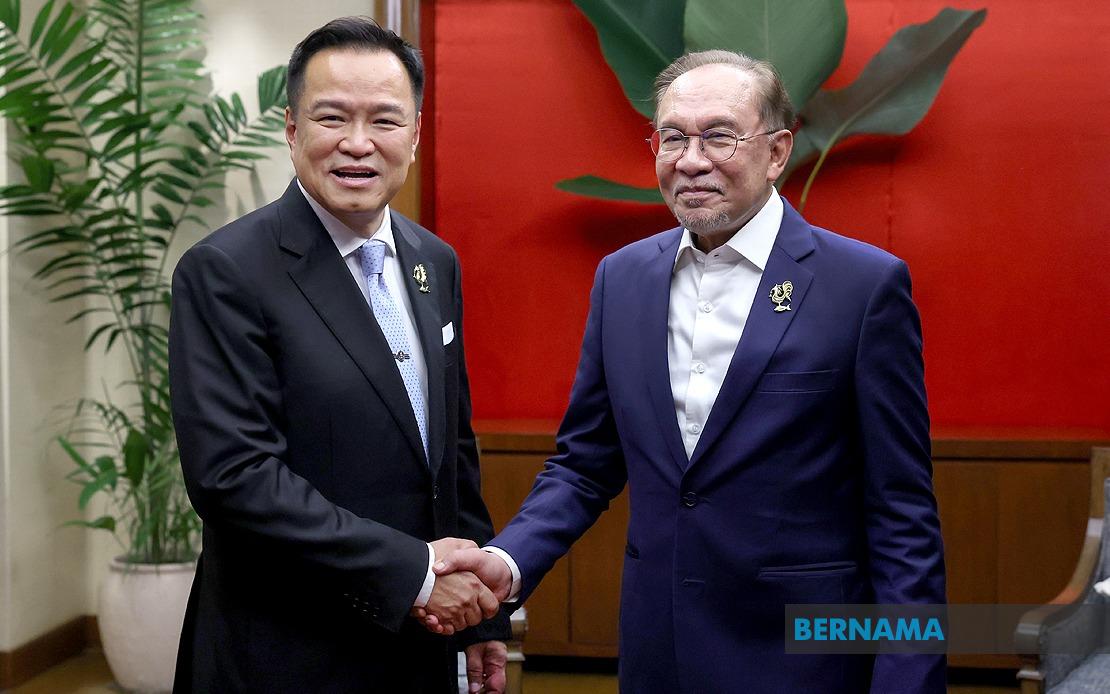
Thai Prime Minister Anutin Charnvirakul is set to undertake a two-day official visit to Malaysia beginning Thursday, July 9, marking a significant moment in bilateral relations as the neighbouring countries prepare to unveil a modernised border crossing. The timing of the visit, coming just two days before the inauguration of the new permanent Sadao border checkpoint, underscores the strategic importance both governments place on facilitating seamless connectivity between the two nations.
The visit comes at the formal invitation of Malaysian Prime Minister Datuk Seri Anwar Ibrahim, with government spokesperson Ratchada Thanadirek emphasising that the mission demonstrates renewed commitment from both capitals to deepen bilateral cooperation. The trip carries particular symbolic weight as the two nations look ahead to commemorating the 70th anniversary of their diplomatic relations in 2027, with officials keen to establish tangible deliverables that will define the next chapter of Thai-Malaysian ties.
On Tuesday, Thailand's Cabinet granted approval for the new Sadao border checkpoint to commence operations from July 11, replacing the existing facility that has served the crossing for decades. The modernised complex will function daily between 5 am and 11 pm Thailand time under a Ministry of Interior notification, establishing standardised operating hours that traders and travellers can rely upon for planning cross-border movements. This scheduled operation represents a significant shift from the ad-hoc arrangements that previously characterised the crossing.
The new Sadao Customs, Immigration and Quarantine (CIQ) Complex, situated in Songkhla province, has been specifically designed to interlink with Malaysia's Bukit Kayu Hitam checkpoint across the border in Kedah. This integrated approach to border management represents a departure from siloed operations, with both nations recognising that coordinated infrastructure can substantially accelerate the clearance of goods and passengers. Malaysian and Thai officials expect the improved facilities to meaningfully reduce transit times and congestion that have historically plagued the crossing.
Beyond the physical checkpoint itself, Thai authorities have committed to comprehensive supporting infrastructure development. The Cabinet has directed relevant agencies to prioritise the construction of connecting roads on the Thai side, a move designed to improve traffic circulation around the facility and prevent bottlenecks that could undermine the checkpoint's efficiency. Additionally, authorities will introduce shuttle bus services that connect the checkpoint with inland Thai communities, addressing a longstanding gap in inter-regional connectivity that has constrained economic integration.
Recognising that infrastructure alone cannot guarantee success, the Thai government has instructed agencies to launch extensive public awareness campaigns targeting both businesses and residents in the Dan Nok border community. These initiatives will focus on disseminating information about new traffic routes, clarifying customs and immigration procedures, and explaining measures designed to expedite cross-border trade and tourism flows. Such outreach efforts are critical for ensuring smooth transitions when the new checkpoint becomes operational, as confusion about procedures can negate efficiency gains.
For Malaysia, the new checkpoint represents a strategic asset for Kedah and the northern region's economic development. By reducing friction at the border, the facility can help unlock trade potential between Thailand's Songkhla and Satun provinces and Malaysia's northern states. Enhanced logistics efficiency benefits not only bilateral commerce but also positions the border region as a more competitive gateway for regional supply chains seeking to move goods between ASEAN economies with minimal delay.
Anutin's upcoming visit constitutes his third journey to Malaysia since taking office as prime minister, reflecting the elevated frequency of high-level engagement between the two governments. His previous visits to Malaysia included participation in the ASEAN Summit and Related Summits held in Kuala Lumpur in October of the preceding year, followed by a dedicated official visit on November 26. This pattern of repeated high-level visits demonstrates that both nations view regular dialogue as essential for managing bilateral matters and advancing shared objectives.
The opening of the Sadao checkpoint carries implications that extend well beyond routine border administration. For Malaysian manufacturers and exporters, improved access to Thailand's central markets could reduce supply chain costs and expand commercial opportunities. Conversely, Thai businesses gain easier market entry to Malaysia and onward connections to other ASEAN economies. Tourism flows are also expected to increase, with smoother border procedures removing a friction point that has historically discouraged leisurely cross-border travel and regional tourism circuits.
From a regional perspective, the enhanced border infrastructure contributes to ASEAN's broader agenda of economic integration and reduced trade barriers. As the bloc continues working towards the ASEAN Economic Community vision, member states like Thailand and Malaysia are demonstrating through concrete projects that commitment to integration extends beyond policy frameworks to tangible infrastructure investment. The Sadao-Bukit Kayu Hitam corridor now joins other modernised ASEAN border crossings as a functional symbol of regional integration progress.
The synchronisation of Anutin's visit with the checkpoint opening also sends a diplomatic signal about the maturity and stability of Thai-Malaysian relations. Scheduling high-level visits to coincide with landmark infrastructure projects allows leaders to jointly celebrate achievements and reaffirm commitment to shared prosperity. This represents a departure from occasional high-level visits marked primarily by protocol; instead, the two governments are anchoring their diplomatic engagement to concrete economic deliverables that their respective populations can observe and benefit from directly.

