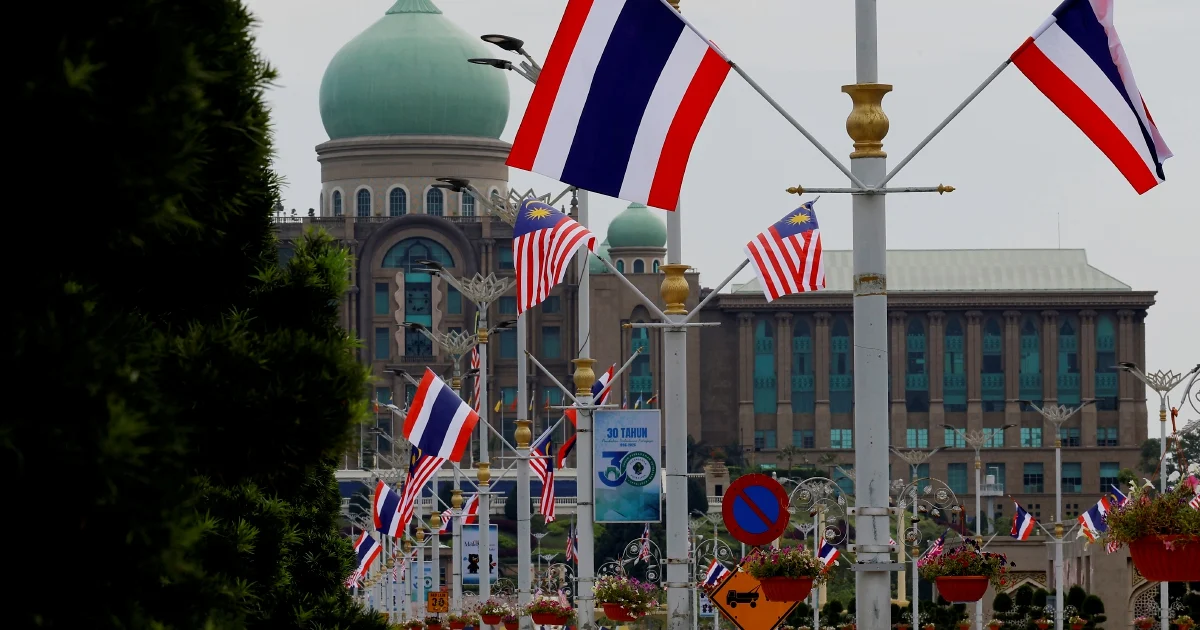
Thai Prime Minister Anutin Charnvirakul is set to arrive in Malaysia this week for a two-day official visit that underscores the kingdom's commitment to strengthening regional infrastructure and economic integration with its closest neighbours. The visit represents a significant diplomatic engagement focused on practical outcomes in cross-border connectivity and sector-specific collaboration that could reshape trade patterns across Southeast Asia.
The centrepiece of Anutin's itinerary involves the official inauguration of a new border road that will substantially improve physical linkages between the two nations. This infrastructure project addresses longstanding logistical challenges that have constrained commercial movement and people-to-people exchange across the Malaysia-Thailand frontier. The completion of this thoroughfare signals a tangible commitment to reducing transit times and transportation costs for businesses operating in both countries, particularly benefiting small and medium enterprises that rely on efficient cross-border supply chains.
Prime Minister Anwar Ibrahim is expected to host his Thai counterpart during the visit, providing both leaders with an opportunity to discuss broader strategic priorities beyond infrastructure. The bilateral meeting will likely explore mechanisms for deepening institutional cooperation and establishing frameworks that facilitate long-term economic integration. Given Malaysia's strategic position within Southeast Asia and its role as a major trading hub, such engagement carries implications for the wider regional economy and the Association of Southeast Asian Nations' collective development agenda.
Agriculture represents a second pillar of the bilateral engagement, reflecting both nations' significant production capacities and complementary export profiles. Thailand's dominance in rice, tropical fruits, and processed agricultural goods positions it well to collaborate with Malaysia's agribusiness sector and technology adoption initiatives. Potential areas of cooperation include knowledge transfer in sustainable farming practices, joint investment in value-added processing, and coordinated approaches to regional food security challenges that have assumed greater urgency following recent supply disruptions.
The timing of this visit reflects evolving diplomatic priorities in mainland Southeast Asia, where Thailand and Malaysia have increasingly recognised mutual benefits in structured cooperation. Beyond ceremonial aspects, the visit provides a practical venue for resolving logistics-related issues and establishing working groups on key sectoral challenges. This incremental approach to deepening ties mirrors broader regional trends toward pragmatic, issue-focused diplomacy that delivers tangible returns for constituent economies.
For Malaysia, the border road's inauguration carries particular significance given the nation's emphasis on leveraging northern corridor development as a growth engine. Enhanced connectivity with Thailand opens pathways for Malaysian companies to access Thai markets more competitively whilst attracting Thai investment into northern Malaysian economic zones. Such infrastructure investments, when coupled with harmonised customs procedures and regulatory frameworks, can catalyse regional value chain development that positions both nations more favourably within global supply networks increasingly focused on diversifying away from traditional Asian manufacturing hubs.
The agricultural dimension of Anutin's visit addresses emerging challenges in food systems resilience and sustainability that transcend national borders. Climate volatility, labour shortages, and shifting consumer preferences for certified sustainable products create both constraints and opportunities for regional agricultural cooperation. Bilateral discussions could yield agreements on technical standards harmonisation, joint research initiatives addressing pest management and crop disease, and coordinated marketing of premium products to third markets in Europe and Northeast Asia where demand for certified Southeast Asian agricultural goods continues expanding.
From a broader geopolitical perspective, this visit demonstrates Thailand's consistent engagement with Malaysia as a cornerstone of its regional stability and economic strategy. The visit reinforces a partnership dynamic that has weathered various regional fluctuations and institutional challenges within ASEAN. For Malaysian observers, the initiative underscores the importance of maintaining substantive dialogue with key neighbours, particularly in an era when global supply chain reconfigurations and regional security dynamics demand coordinated responses from proximate nations with complementary economic structures.
The inauguration ceremony itself will likely attract business delegations from both countries, creating informal networking opportunities that often prove as valuable as formal bilateral meetings. Such gatherings typically catalyse subsequent joint ventures, technology partnerships, and commercial arrangements that extend far beyond the immediate transaction context. The visibility this event provides may stimulate private sector interest in previously unexplored opportunities in border trade and regional logistics services.
This visit also reflects the pragmatic diplomacy that both Anutin and Anwar have championed since assuming their respective offices, prioritising concrete developmental outcomes over rhetorical posturing. The focus on infrastructure completion and sectoral cooperation grounds the bilateral relationship in measurable improvements that resonate with ordinary citizens across both nations. Such an approach builds political capital for both leaders domestically whilst establishing precedents for collaborative problem-solving within ASEAN.
Moving forward, the protocols and working arrangements established during this visit will likely set templates for subsequent engagements, potentially extending to third areas such as energy cooperation, digital economy collaboration, and joint participation in regional development initiatives. The border road represents not merely an isolated infrastructure project but rather a symbolic commitment to the continuous normalisation and deepening of Malaysia-Thailand economic integration that benefits the broader Southeast Asian region.

