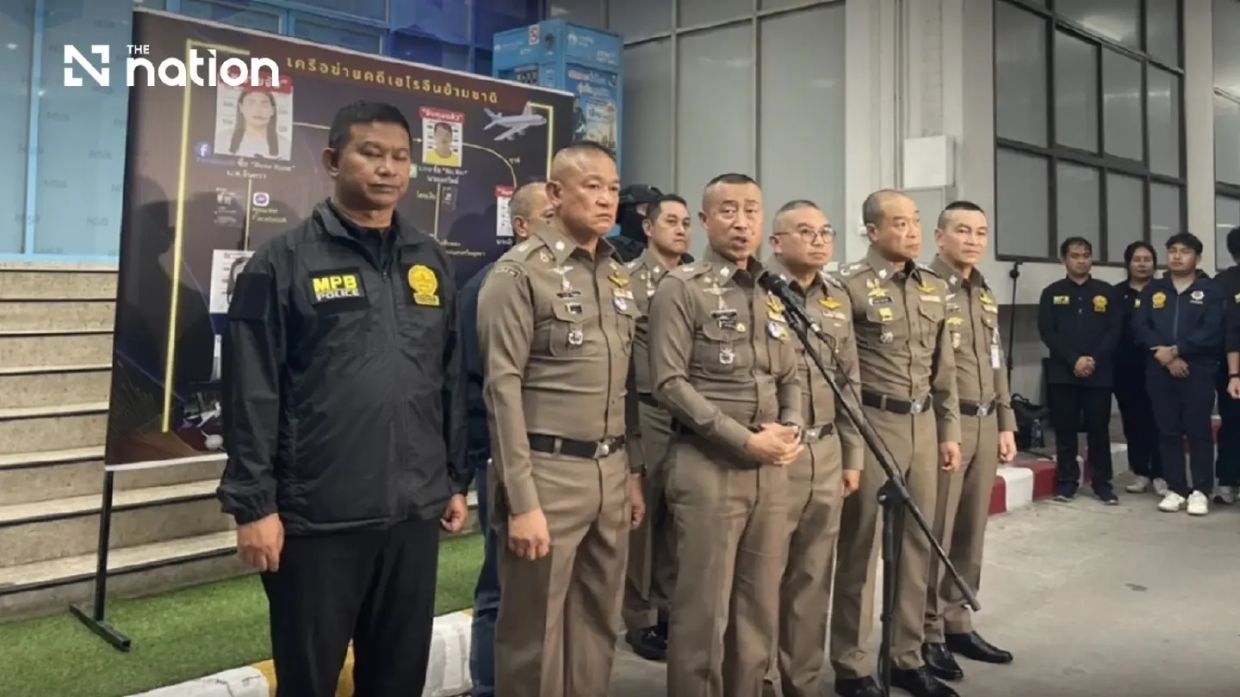
Thai authorities have cast a widening net across the region following the exposure of what investigators describe as a sophisticated transnational heroin operation directed by a woman identified as Chantra, known online as "RoseRose". The suspect has disappeared, reportedly slipping through an unofficial border crossing into a neighbouring country after learning that law enforcement was closing in on her network. Deputy National Police Chief Pol Gen Samran Nualma confirmed the dramatic manhunt during a statement to reporters, revealing that the alleged ringleader orchestrated a drug trafficking scheme remarkable for its tradecraft and social media savvy.
The investigation gained momentum following the arrest of Ekkawit, a suspected intermediary who operated under the Line messaging account "Rin Rin". During questioning, Ekkawit reportedly provided detailed confessions about his role in the supply chain, which investigators corroborated through forensic examination of digital communications and direct verification with Line Thailand. The evidence picture that emerged from his account painted a portrait of a carefully compartmentalized operation where multiple players performed discrete functions, minimising individual exposure while maximizing operational resilience. This layered structure, police suggest, indicates the involvement of experienced criminal operatives rather than casual opportunists.
According to police reconstructions of the smuggling process, Ekkawit's assigned responsibilities involved purchasing elephant-print bags in Chiang Mai—a choice of concealment likely intended to blend with typical tourist purchases—and forwarding them to Chantra. The bags would return to him after heroin had been secreted inside their linings or frames. Ekkawit claimed to investigators that he executed this three-step cycle multiple times, with responsibility then passing to a third individual, Uthai, who collected the prepared consignments for distribution along onward trafficking routes. The operation demonstrated operational discipline: each actor knew their specific function but remained insulated from broader network knowledge.
The scheme's most audacious element emerged when investigators uncovered evidence that the network had successfully recruited an air hostess to transport one of the doctored bags to Australia. According to police findings, RoseRose had identified and contacted potential couriers through Facebook groups dedicated to people willing to carry items across borders for remuneration. The account would initiate private conversations with interested individuals, testing their willingness before presenting opportunities. The air hostess case represents the network's first documented attempt to exploit aviation staff, suggesting either growing confidence in their methodology or desperation to expand distribution capacity. Notably, police have declined to definitively conclude whether the hostess understood the bag's contents, indicating that her level of culpability remains genuinely uncertain.
The scope of the investigation extends beyond the immediate principals. Police examination of chat histories across multiple platforms revealed consistent patterns—messaging styles, timing protocols, distribution workflows—that suggest this operation formed part of a broader trafficking enterprise rather than an isolated venture. The frequency and consistency of these connections persuaded investigators that they had identified not merely a loose association of drug couriers but rather an organised criminal structure with defined hierarchies and established procedures. This interpretation informed police requests for bail opposition and continued detention, framing the investigation as necessarily ongoing rather than substantially concluded.
Chantra's operational profile emerged from investigator interviews with Ekkawit and subsequent intelligence gathering. She is identified as the elder sister of Ekkawit's sister-in-law, placing her within his family constellation—a common feature of trafficking networks that leverage kinship to establish trust and secure compliance. Her documented travel patterns between Thailand and Laos triggered police suspicion of connections with international drug syndicates based in neighbouring territories. The frequency and regularity of her border crossings suggested systematic rather than occasional movement of contraband, implying possible coordination with Laotian or broader regional trafficking organisations. Her abrupt flight through what authorities describe as a natural border crossing—rather than official checkpoints where her departure would be recorded—corroborates the theory that she held advance warning of the investigation.
Police intelligence indicates that heroin entered Thailand primarily through Phayao province, establishing a supply corridor from trafficking organisations operating across the border. This trafficking route and methodology distinguish the RoseRose network from a parallel investigation conducted by the Office of the Narcotics Control Board, which culminated in the arrest of a married couple in Loei province. The distinction underscores the region's fragmentation into competing trafficking enterprises, each operating distinct supply chains and exploiting different transit corridors. The Phayao entry point suggests either a Lao-based source organisation or a trafficking structure with entrenched relationships in Thailand's northern border regions.
The investigation has progressed to critical junctures requiring judicial intervention. Narcotics Suppression Bureau officers scheduled Ekkawit's presentation before the Criminal Court on Ratchadaphisek Road to secure formal approval for his continued detention beyond initial police questioning periods. Police determination to oppose bail rests on multiple foundations: the severity of alleged trafficking charges, the apparent scale of the operation, and the necessity of pursuing other network participants whose identities remain under investigation. This prosecutorial positioning suggests that authorities intend to build comprehensive cases against multiple conspirators rather than seeking quick resolution through isolated arrests.
For Malaysia and broader Southeast Asian security observers, the RoseRose case illuminates evolving transnational trafficking methodologies that exploit regional labour mobility and tourism infrastructure. The recruitment of airline staff represents a particularly concerning development, as it suggests trafficking syndicates now target transportation workers as potential force multipliers. The utilisation of commodity items—decorated bags—as concealment vehicles demonstrates adaptability to standard customs screening. The sophisticated use of encrypted messaging platforms and social media to identify and vet couriers reflects criminal adoption of digital recruitment tactics normally associated with legitimate commerce. These operational innovations will likely influence interdiction strategies across the region.
Thailand has signalled openness to regional cooperation on the investigation, with Pol Gen Samran indicating readiness to provide evidence and information to Australian authorities should they request it. This cooperative stance reflects both immediate bilateral interests—the air hostess operation directly involved Australia—and broader commitment to transnational drug enforcement frameworks operating across Southeast Asia. However, the Thai official deliberately declined to comment on Australian legal proceedings, properly acknowledging that prosecutorial and sentencing decisions rest with respective national systems. The case thus exemplifies the intersection points where national sovereignty and transnational crime enforcement requirements necessarily meet and sometimes conflict, requiring mechanisms for coordination without subordinating independent judicial authority.

