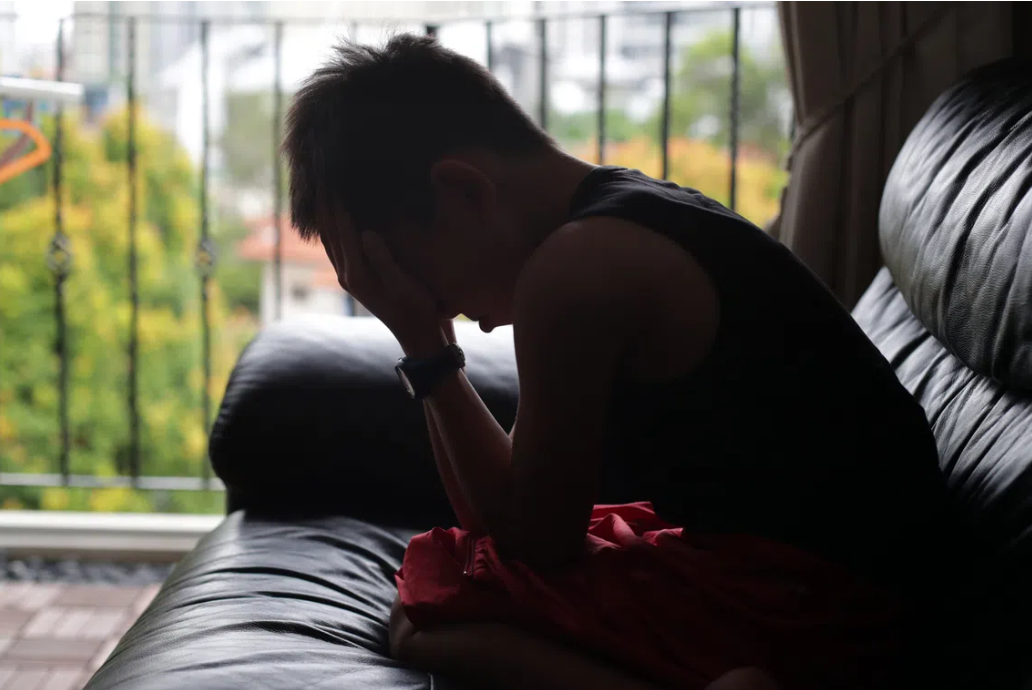
Thailand is confronting a nationwide school bullying crisis with renewed urgency following the August 7 shooting at Debsirin Nonthaburi School near Bangkok, where a 14-year-old student killed nine people including himself. While investigations continue into the precise motivations behind the tragedy, discussions surrounding bullying and its psychological toll have dominated public discourse, forcing the government to move decisively on a problem that has long festered in Thai educational institutions.
The prevalence of school bullying in Thailand extends far beyond any single incident. A government survey conducted in September 2025 revealed that nearly two-thirds of 42,000 young people aged six to 25 have experienced some form of bullying. The data paints a sobering picture: roughly 28 per cent reported physical abuse including kicking and punching, whilst 83 per cent identified schools as the primary venue for such harassment. Name-calling and mockery directed at family members emerged as the most frequently reported category, suggesting that bullying often exploits personal vulnerabilities rather than remaining confined to casual teasing.
Surasit Nok-Ouam, now 20 and working in the gig economy, carries vivid memories of his own victimisation stretching back a decade. Beginning in kindergarten and persisting through early primary years, his experience encompassed both verbal abuse and physical violence. As an introvert, he became an easy target—a pattern that Aranee Vivatthanaporn, a criminology lecturer at Rangsit University, suggests is neither unusual nor necessarily increasing in absolute terms. Rather, she argues that digital platforms have amplified visibility. Videos documenting bullying incidents, including one from July 21 at the prestigious St Gabriel's College in Bangkok showing two students assaulting a younger peer whilst brandishing an airsoft gun, circulate widely through social media, creating an impression of escalating prevalence. The reality may be more nuanced: bullying has likely remained consistently endemic, but contemporary recording and sharing technologies have pulled hidden classroom cruelties into public view.
The psychological consequences for victims are substantial and well-documented. Among surveyed bullying victims, at least one in four have contemplated self-harm, indicating that the emotional injuries run deep. Chinun Boonroungrut, a psychology lecturer at Silpakorn University, explains that persistent bullying can trigger depression, anger, and an accumulating reservoir of grievance. The trauma manifests in unexpected ways—Surasit described how bathroom visits became ordeals fraught with anxiety after bullies repeatedly followed him to splash water and hurl insults. Another incident saw a peer deliberately pull down his sweatpants during physical education, transforming his distress into entertainment for spectators. Such experiences corrode victims' sense of safety and dignity within spaces that should be conducive to learning and development.
Counsellors working directly with affected adolescents observe the mounting burden this creates. Prieo To-uam, a freelance counsellor with four years of experience, reports a noticeable increase in teenagers seeking help over the past year, with bullying featuring prominently—sometimes as a primary concern, other times woven into broader struggles. She notes that the problem transcends the urban-rural or public-private school divide, occurring across both local Thai institutions and international establishments. Perpetrators themselves often fail to recognise the severity of their actions, framing repeated harassment as harmless banter or typical adolescent behaviour until the cumulative effect becomes undeniable.
What complicates Thailand's response to bullying extends beyond institutional failures to encompass deeply embedded cultural values. The concept of kreng jai—often translated as extreme consideration or deference—discourages direct confrontation and encourages subordination of personal grievances to maintain social harmony. Many victims internalise their suffering rather than reporting it, believing that disclosure would disrupt group cohesion or reflect poorly on their families. Prieo observes that young Thais frequently receive implicit messaging that politeness, respect for hierarchy, and emotional restraint constitute the highest virtues. This cultural conditioning pressurises victims into silence, allowing psychological distress to accumulate unaddressed until it reaches crisis point. The irony is profound: cultural values designed to preserve peace and social order may inadvertently create pressure cookers of unresolved trauma.
The absence of parental awareness or support compounds this isolation. Many bullied students lack trusted adults to confide in or advocate on their behalf, rendering them doubly vulnerable. When combined with the cultural prohibition against disclosure, this creates a feedback loop whereby victims suffer alone, their distress invisible to those who might intervene. Counsellors and educators increasingly recognise that traditional approaches emphasising conflict resolution or peer mediation prove insufficient when victims feel culturally obligated to absorb mistreatment silently.
In response to the Debsirin shooting and intensified public scrutiny, Thailand's Education Ministry has unveiled a multi-pronged intervention strategy to take effect by early November. The measures include implementing zero-tolerance bullying policies, enhancing weapon detection capabilities at school entrances, and establishing referral mechanisms designed to identify and support at-risk students. The ministry is also pursuing legislative action through a proposed Student and School Safety Act that would mandate mental health monitoring and screening for post-traumatic stress disorder amongst affected students. These initiatives represent significant structural changes aimed at creating safer, more responsive educational environments.
However, policy interventions alone cannot dismantle cultural attitudes that prioritise concealment over disclosure. Thailand faces a dual challenge: not merely reforming institutional procedures and security protocols, but fundamentally shifting how young people and their families conceptualise bullying, vulnerability, and the responsibility to speak up. International experience suggests that successful anti-bullying campaigns require sustained effort to reframe mental health help-seeking as a sign of strength rather than weakness, and to legitimise victims' voices within educational hierarchies traditionally structured around deference and obedience.
The August shooting has galvanised action at the highest levels of government, and the resulting policy framework represents genuine progress. Yet transforming cultural norms—the unspoken rules governing how Thais relate to authority, express emotions, and manage interpersonal conflict—requires educational messaging, parental engagement, and sustained institutional change operating across multiple years. Unless these deeper currents are addressed, policies alone risk becoming performative responses to a systemic problem whose roots extend into the fabric of Thai society itself. The real test lies not in the announcement of new regulations, but in their implementation and in whether Thailand can cultivate a generation of young people emboldened to report suffering rather than conditioned to endure it silently in the name of social harmony.

