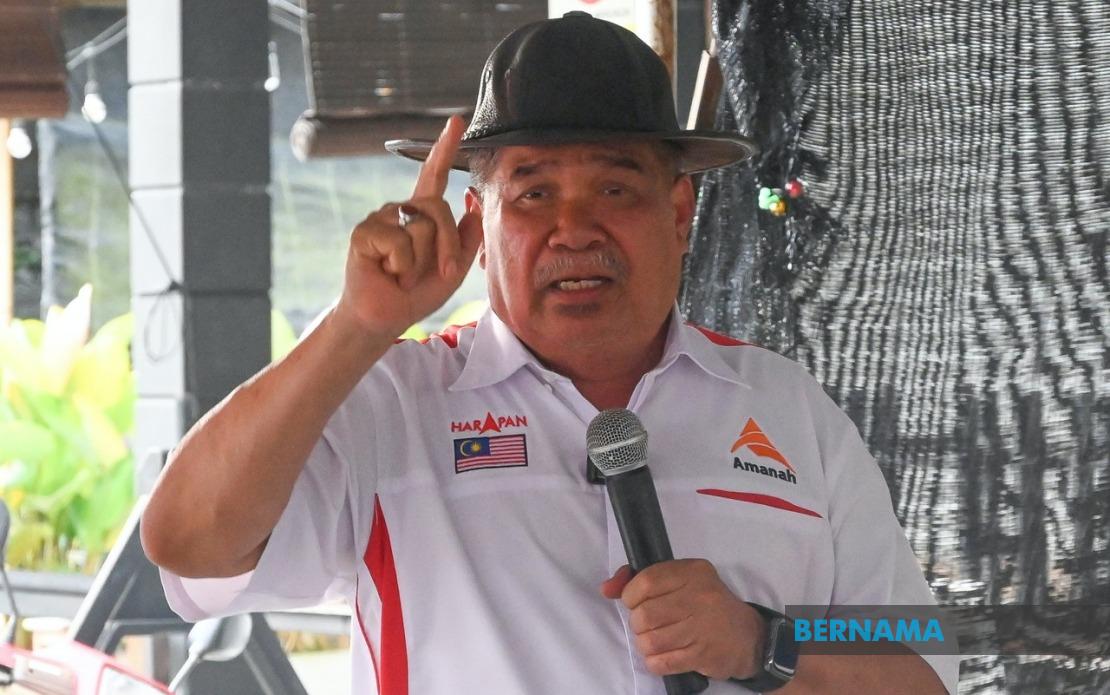
The standoff over shrimp imports from Thailand appears to be reaching a critical juncture, with Malaysia's Agriculture and Food Security Minister Datuk Seri Mohamad Sabu confirming that negotiators expect to hammer out a resolution by mid-August. Speaking in Kota Bharu after attending the closing ceremony of the Road to MAHA 2026 East Coast Zone programme, Mohamad expressed confidence that the matter would be satisfactorily concluded within the projected timeframe.
The dispute centres on five commercially significant shrimp species that Malaysia temporarily banned from Thai imports effective June 1. These comprise Penaeus esculentus, commonly known as brown tiger shrimp; Fenneropenaeus merguiensis, the banana shrimp; Penaeus vannamei, white shrimp; Penaeus monodon, tiger shrimp; and Penaeus stylirostris, blue shrimp. The suspension represented a significant tightening of Malaysia's regulatory posture toward fishery products originating from its northern neighbour, signalling growing concerns about import standards and quality controls.
For Malaysian consumers and the domestic aquaculture sector, the resolution of this trade friction carries implications beyond bilateral relations. Thailand ranks among Malaysia's largest suppliers of seafood products, and disruptions to shrimp supply chains can reverberate through local restaurant operations, processing facilities, and retail markets. The temporary ban, announced by the ministry last month, reflected stricter enforcement protocols designed to safeguard public health and domestic industry interests, yet the negotiations now underway suggest both parties recognised the mutual costs of prolonged suspension.
Simultaneously, Mohamad outlined an expansive vision for MAHA 2026, the biennial agricultural exhibition scheduled for August 28 to September 6. The forthcoming event will emphasise technological innovation and sector modernisation, with participation expected from diverse geographic regions including African nations, Central Asian countries, China, Britain, Japan, and the United States. This international scope underscores Malaysia's recognition that agricultural advancement increasingly depends on cross-border knowledge transfer and collaborative development of new farming methods.
The minister emphasised that food security has emerged as a pressing global concern, particularly acute for Malaysia given its continued reliance on imported foodstuffs to meet domestic demand. By positioning MAHA 2026 as a platform for technology exchange and innovation showcasing, the government aims to catalyse improvements in domestic agricultural productivity and reduce dependency on external suppliers. Such initiatives acquire greater urgency in a regional context where supply chain vulnerabilities, geopolitical tensions, and climate variability threaten the stability of food systems across Southeast Asia.
The Road to MAHA 2026 programme, which concluded in Kota Bharu, represents the final leg of a nationwide promotional tour that earlier visited Kedah, Selangor, Melaka, and Labuan. These regional roadshows serve dual purposes: generating awareness among agricultural stakeholders and gathering feedback on farmer priorities and sectoral challenges. For a nation with geographically dispersed farming communities—from rice granaries in the north to intensive vegetable operations on the peninsula and plantation agriculture in Sabah and Sarawak—such decentralised engagement proves essential for policy calibration.
Projections for MAHA 2026 reflect substantial ambition, with organisers targeting approximately four million visitors, RM58 million in direct sales, and RM8 billion in potential investment commitments. The previous iteration two years ago attracted around five million visitors, and the minister indicated confidence that this year's event, bolstered by concurrent National Day celebrations, would likewise draw significant crowds. These figures demonstrate the exhibition's role as both a commercial platform and a venue for public engagement with agricultural modernisation narratives.
The participation of countries spanning multiple continents signals growing recognition of Malaysia's agricultural sector as an emerging hub for technology adoption and innovation. Rather than positioning itself merely as an importer of agricultural expertise, Malaysia increasingly seeks to develop indigenous technological capabilities and position itself as a knowledge disseminator within Southeast Asia. This reorientation reflects broader strategic thinking about regional integration and Malaysia's role in strengthening food security across ASEAN.
Modamad acknowledged the collaborative efforts of Terengganu state government, federal and state agencies, and strategic partners in executing the Road to MAHA programme, highlighting the multi-stakeholder approach required for sectoral transformation. Such coordination extends to addressing trade friction with neighbours like Thailand, where diplomacy, technical expertise, and commercial considerations must be carefully balanced. The expected mid-August resolution of the shrimp import question should be viewed as one component of a larger strategy to stabilise regional agricultural trade while simultaneously upgrading Malaysia's domestic capacity and technological sophistication in food production.

