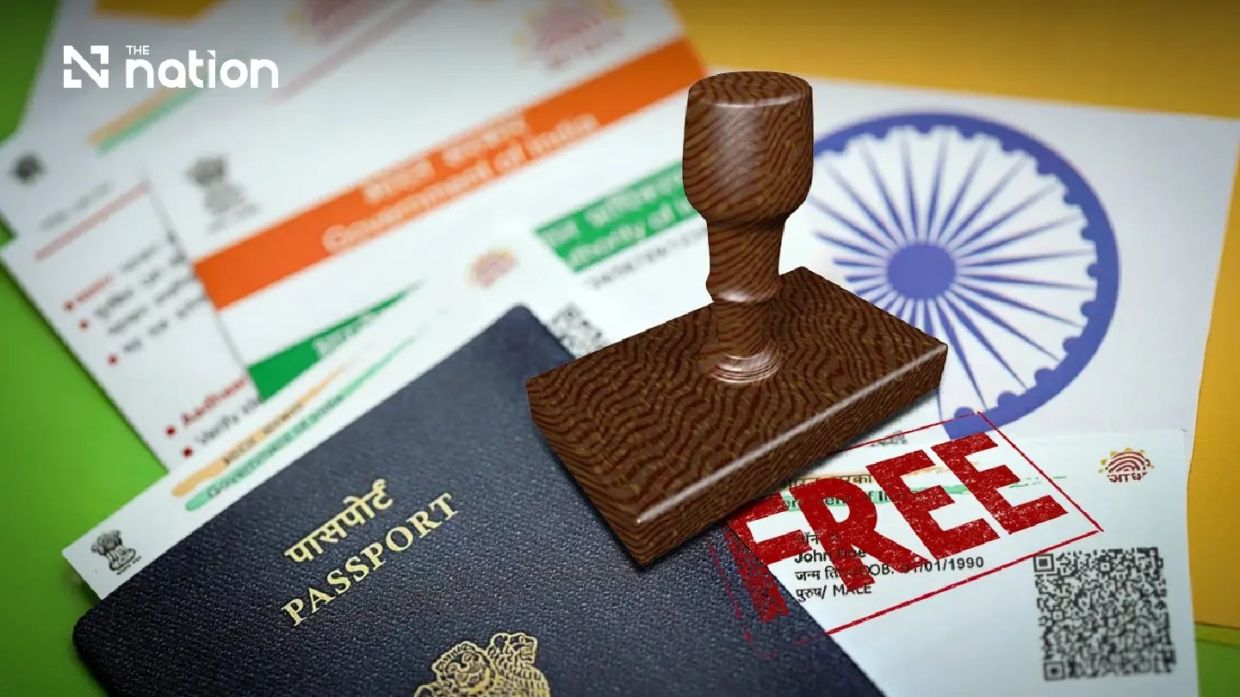
Thailand has secured Cabinet approval for a 30-day visa-free entry framework specifically designed to capture India's burgeoning tourism potential, with Tourism Minister Surasak Phancharoenworakul championing the extended period as essential for attracting the country's lucrative wedding and celebration tourism segments. The decision reflects a deliberate pivot towards accommodating longer-stay visitors from one of Southeast Asia's largest population centres, positioning Thailand ahead of regional competitors who are aggressively pursuing the same market.
The original proposal limiting Indian visitors to just 15 days would have severely hampered Thailand's appeal for the wedding tourism niche, which has emerged as a particularly valuable segment. Destination weddings and associated celebration events in Thailand frequently span multiple weeks, requiring extensive preparation and coordination. By securing the full 30-day exemption—matching entitlements for other major source markets—Thailand's government has signalled confidence in the segment's commercial importance and removed a critical barrier that could have driven wedding tourism seekers toward alternative destinations such as Bali or Vietnam.
India has already become Thailand's third-largest tourism source by mid-2026, with approximately 1.3 million arrivals recorded in the first seven months of the year alone. The Tourism Authority of Thailand projects this momentum will accelerate substantially, forecasting 2.55 million Indian visitors by 2026 before a further 5.8 percent increase propels arrivals to a record 2.7 million in 2027. These projections represent extraordinary growth trajectories compared to historical performance, with 2025 recording 2.48 million Indian arrivals—itself a commanding 16.82 percent increase from 2024—and generating approximately 90.425 billion baht in tourism revenue.
What distinguishes the Indian market beyond sheer visitor numbers is the spending profile. Average daily expenditure reaches 6,203 baht per visitor, translating to roughly 36,354 baht per complete trip, positioning Indian tourists firmly within Thailand's premium leisure segment. This economic contribution aligns perfectly with the kingdom's strategic pivot away from mass tourism toward higher-value, longer-staying visitors who distribute spending across accommodation, dining, wellness, and cultural experiences. The composition of the market reinforces this advantage: nearly 60 percent are first-time visitors potentially establishing lifelong travel patterns, while 68.63 percent travel independently rather than through organised tours, often making spontaneous purchasing decisions during their stays.
The Cabinet's decision to place India within the standard 30-day visa-exemption category rather than returning to Visa on Arrival arrangements addresses legitimate concerns from tourism operators about competitive disadvantage. Previous uncertainty about whether Indian visitors would face additional bureaucratic steps created anxiety across the hospitality sector. Under the new framework approved on July 14, India joins 58 other countries and territories in a clearer, streamlined category designed to strengthen confidence among both tourists and tourism businesses. This consolidation also serves immigration objectives by reducing overlapping categories and strengthening screening protocols while avoiding the appearance of creating special privileges.
Visa accessibility remains demonstrably central to Indian tourists' destination selection behaviour, with competing nations keenly aware of this reality. Vietnam aggressively deploys competitive pricing and targeted incentives to attract Indian leisure seekers, while Malaysia actively promotes its own visa-free entry provisions. Singapore has carved out strength in the family travel market segment. Thailand's 30-day framework provides a clear competitive advantage that, combined with superior air connectivity and established tourism infrastructure, should secure preference among Indian travel planners evaluating Southeast Asian options. All arriving Indian nationals must complete Thailand's Digital Arrival Card within three days before arrival, maintaining immigration oversight while minimising friction.
Air connectivity underpins this entire strategy, with approximately 66,000 weekly seats available across Thailand-India routes by recent count. From markets served by the Tourism Authority's New Delhi office, nine Indian cities maintain direct connections to Bangkok, Krabi, and Phuket through 144 weekly flights offering over 32,000 seats. The Mumbai office jurisdiction maintains roughly 160 flights weekly with approximately 33,000 seats, though some carriers temporarily suspended services during Middle East disruptions and elevated fuel costs. Industry observers expect capacity restoration during high seasons as airlines stabilise operations and expand frequency.
Thailand's promotional strategy increasingly extends beyond traditional high-net-worth centres like New Delhi, Kolkata, and Mumbai into rapidly expanding secondary cities where rising affluence creates new demand for overseas travel. Cities including Lucknow, Chandigarh, Guwahati, Ahmedabad, Surat, and Pune represent frontier markets with distinct demographic advantages. Surat's concentration of diamond industry wealth creates an affluent customer base predisposed toward luxury travel experiences, while Pune's automotive and industrial sectors channel higher-income professionals seeking international leisure opportunities. This geographic diversification acknowledges that India's economic dynamism extends well beyond metropolitan concentrations.
Critically, the Indian tourism market is evolving beyond conventional sightseeing toward immersive, experience-centric travel prioritising food culture, local communities, and authentic lifestyle encounters. Thai food ranks as Indian visitors' primary attraction, followed by beach experiences and wellness services, suggesting strong demand for authentic cultural engagement rather than purely resort-based leisure. This market maturation creates opportunities for secondary cities and rural regions to participate in tourism revenue distribution, potentially reducing concentration in Bangkok and developing sustainable tourism models across provincial Thailand.
The average length of stay around 7.17 days per visit suggests substantial untapped potential, as the 30-day exemption accommodates significantly longer itineraries without visa complications. Particularly among the wedding tourism segment and affluent family groups staying seven to 15 days, the framework removes logistical barriers that previously complicated longer explorations. Regional competitors should note that Malaysia and Vietnam, while pursuing aggressive pricing and promotional strategies, lack Thailand's combination of established tourism infrastructure, air connectivity breadth, and now clarified visa frameworks.
Thailand's strategy also encompasses neighbouring South Asian markets including Bhutan, Nepal, and Bangladesh, recognizing that regional wealth generation increasingly extends beyond India proper. The emphasis on differentiating Thai offerings through food, culture, wellness, and community tourism rather than competing purely on price reflects sophisticated market positioning. For regional observers including Malaysia and other Southeast Asian nations, Thailand's approach demonstrates how strategic visa policy, coupled with market segmentation based on expenditure capacity and travel patterns, can drive premium tourism growth without requiring deepening discounting that erodes sector profitability across the region.

