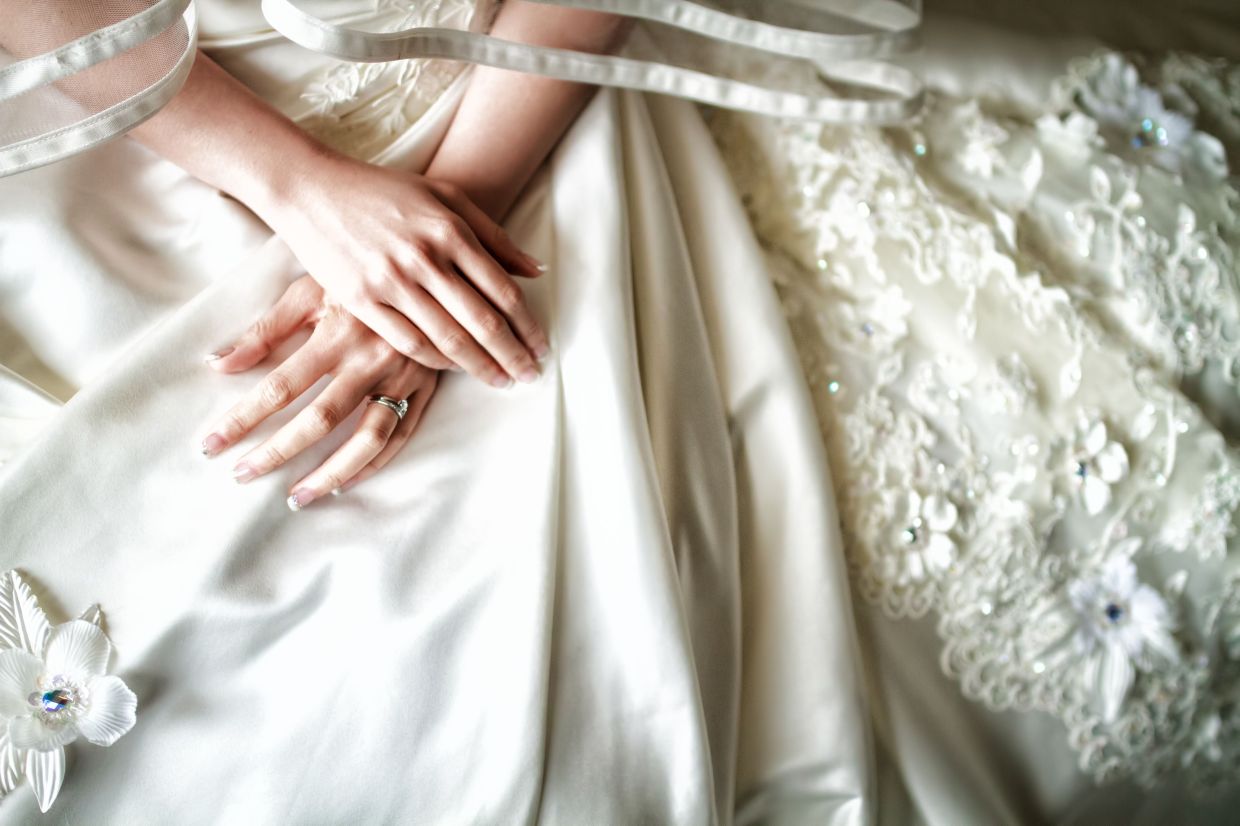
The worn creases of a mother's wedding gown, the faded lace of a grandmother's veil—these garments represent far more than fabric and thread. They embody pivotal moments, personal triumphs, and the continuity of family legacy across generations. For many people, particularly in cultures where heirlooms carry deep significance, deciding what to do with a wedding dress after wearing it oneself, with no clear successor waiting, presents one of fashion's most agonising dilemmas. Clothing functions as a tangible link to our past, a physical manifestation of joy, sorrow, and the passage of time itself. The wedding dress, in particular, occupies a uniquely powerful space in our emotional landscape, making it extraordinarily difficult to contemplate its removal from our lives.
The challenge of discarding meaningful garments extends well beyond mere sentimentality. Psychologically, clothes serve as what might be termed "fashion wormholes"—portals through which we can travel back to earlier versions of ourselves, to moments we wish to preserve, to people we have lost or whom we simply wish to remember. Parents frequently experience this acute sense of loss when encountering the tiny garments their now-adult children once wore, recognising them as the final tangible evidence of childhoods that have otherwise vanished into memory. When those clothes have been passed down through multiple generations, the emotional resonance intensifies dramatically. A mother's wedding dress becomes not merely her garment, but a symbol of her life, her era, and the unbroken thread connecting past to present. This phenomenon—attributing human qualities and meanings to fashion items—might be called fashionthromorphism, a psychological tendency that makes parting with such pieces feel almost like betraying family history itself.
Yet practical constraints inevitably force difficult decisions. Closets and storage spaces have finite limits, and the line between preserving precious heritage and accumulating hoarded possessions grows increasingly blurred. Cameron Silver, founder of Decades, one of the pioneering luxury vintage retailers, approaches these conversations with the sensitivity they demand. Having worked extensively with clients wrestling with closet decisions, Silver likens his role less to that of a fashion consultant and more to a therapist, carefully guiding people toward clarity without coercing premature surrender. His methodology emphasises reflection rather than persuasion, encouraging people to examine their true relationship with each garment. He advocates beginning with three fundamental questions: Does it currently fit your body and lifestyle? Will you genuinely wear it again in the foreseeable future? Most tellingly—how would your emotional response register if this item were irretrievably lost or stolen?
These questions serve as diagnostic tools, often revealing uncomfortable truths about why we cling to certain possessions. The answers frequently indicate whether retention serves genuine purposes or whether liberation might actually emerge from thoughtful release. Once individuals achieve clarity through this reflective process, several meaningful pathways emerge rather than the stark choice between keeping indefinitely or discarding thoughtlessly. The first option involves creative transformation—reimagining the wedding dress as an entirely different garment altogether. This approach preserves the historical fabric while releasing it from its original ceremonial purpose, though something precious inevitably transforms in translation. A wedding gown might become christening wear for future generations, formal evening wear, or even components integrated into quilts or memory boxes that serve as tangible family records.
Alternatively, redirecting a wedding dress toward a second life through donation organisations offers profound satisfaction. Brides Across America exemplifies this approach, channeling wedding gowns toward engaged couples from military and emergency medical services who might otherwise face financial barriers to obtaining appropriate ceremony wear. This option transforms the dress from a stored memory into an active contributor to someone else's joy, extending its ceremonial significance indefinitely. Emily Spivack, who facilitates workshops examining garment significance, recommends accompanying such donations with handwritten notes documenting the dress's provenance and original wearer. This practice ensures that the incoming bride receives not merely a gown but an entire narrative—a secret connection to previous wearers and the stories embedded within the fabric itself.
Creating intentional memory documentation offers another powerful alternative for those struggling with release. Spivack's workshop participants bring garments laden with family significance, then collectively photograph, examine, and document their stories. This ritual of witnessing and recording seems to facilitate psychological closure, allowing participants to feel that they have adequately processed the garment's significance before relinquishing physical possession. These documented narratives can circulate among family members, preserving the story even after the physical object departs. Digital documentation creates permanent records that transcend space and storage limitations, democratising access across generations and geographies—particularly valuable for families dispersed internationally or through immigration journeys.
Educational institutions increasingly recognise the scholarly value embedded within quotidian garments like wedding dresses. Rather than focusing exclusively on textiles' artistic or technical merit, universities including Smith College, Drexel, Cornell, and Ohio State have begun systematically acquiring wedding gowns and related ceremonial wear as teaching objects. These collections employ clothing as primary historical sources, illuminating women's lived experiences across different eras and circumstances. Denise Green, director of Cornell University's Fashion + Textile Collection, notes that their holdings encompass nearly 350 wedding gowns and related accessories among their broader collection of more than 11,000 objects. The historical narratives embedded within these gowns extend far beyond romance. A 1942 wedding dress created by British dressmaker Cylka Berke for her own wartime London wedding exemplifies this richness—the gown tells stories of rationing constraints, ingenious design solutions that maximised fabric efficiency while minimising waste, and the human determination to maintain rituals and beauty despite catastrophic circumstances surrounding them.
This particular dress carries additional historical significance beyond its maker's ingenuity. Because rayon rather than silk was selected—the latter being requisitioned for military parachutes, escape maps, and blood chits—the resulting gown retained a surprisingly brilliant white hue across eight decades. Green emphasises that although most contemporary observers have never encountered Cylka Berke's name, the dress itself functions as a multivalent historical document, teaching viewers about material scarcity, gendered wartime labour, design innovation born from constraint, and the unchanging human need for ceremonial meaning amid profound disruption. These institutional collections ultimately suggest that releasing a wedding dress need not mean erasing its significance, but rather entrusting it to custodians equipped to extract, preserve, and share the intricate stories it contains with audiences far broader than any single family could reach.
For Malaysian and Southeast Asian readers navigating their own garment decisions, these international examples offer practical frameworks while honouring the particular cultural weight that traditional wedding attire carries throughout the region. Kebaya, baju pengantin, and other ceremonial wear embody not merely individual moments but entire cultural continuities, making their disposition especially laden with meaning. The conversation between preservation and release need not be binary. Approaching these decisions with intention—documenting stories, exploring creative reuse, considering donation to individuals or institutions, or creating memory archives—transforms what might feel like loss into something more resembling thoughtful curation. Ultimately, letting go becomes not an erasure of the past but a deliberate choice about how that past will continue living forward.

