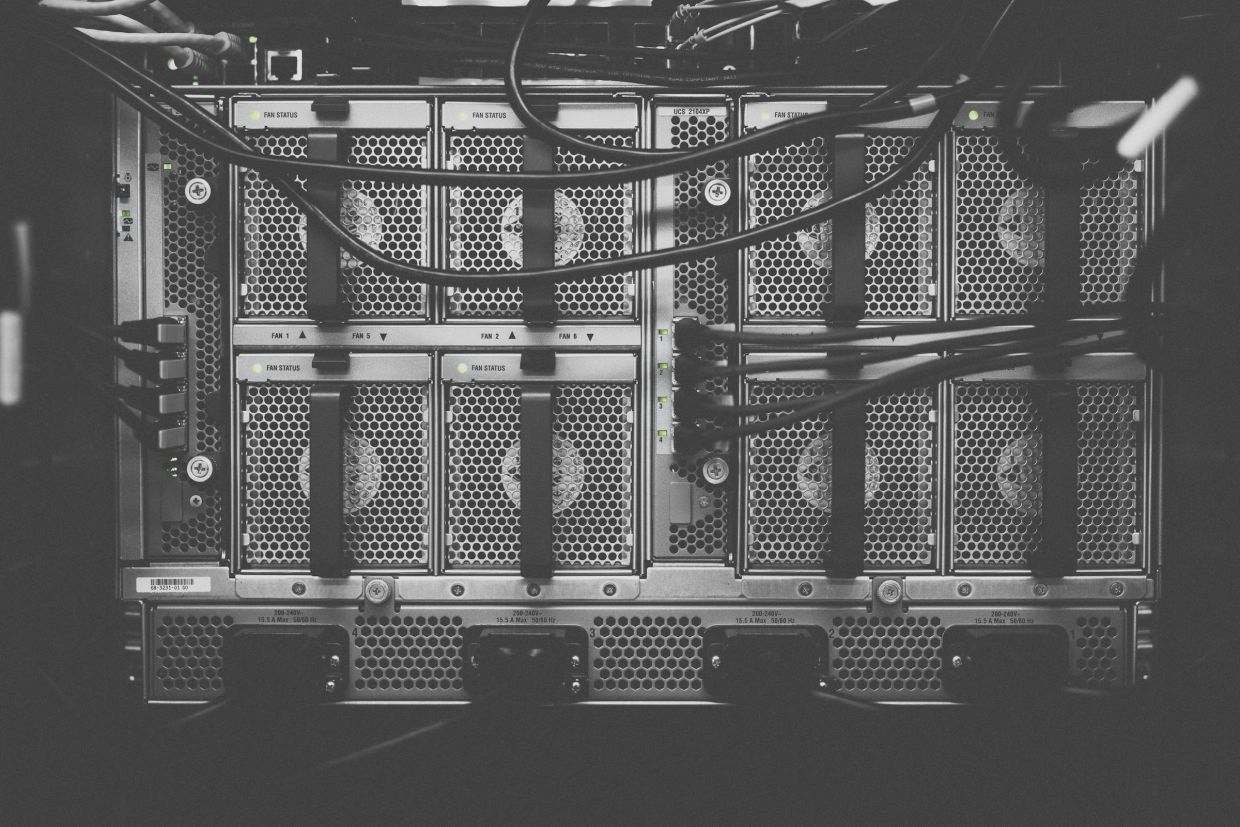
The artificial intelligence boom is creating a problem that few people anticipated when they began championing cloud computing and digital transformation: a persistent, inescapable hum that keeps residents awake at night and damages the quality of life in communities across the United States. This low-frequency drone, emanating from thousands of cooling fans, diesel generators and industrial machinery running around the clock, has become so problematic that homeowners in three separate jurisdictions have filed lawsuits against data centre operators, marking a turning point in how society grapples with the physical consequences of our digital infrastructure.
The scale of America's data centre infrastructure is staggering. According to analysis from the Pew Research Center, the country operates more than 3,000 data centres, with an additional 1,500 currently under development. These sprawling industrial complexes house tens of thousands of servers and computer chips that process billions of operations daily and store unfathomable quantities of data. For decades, these facilities operated quietly in the background of American life, largely invisible to the general public and rarely a source of community friction. Yet the architectural footprint of modern data centre construction masks an increasingly visible problem: the acoustic footprint has become impossible to ignore.
The machinery generating this noise serves essential functions. Memory chips generate tremendous heat during operation, necessitating massive industrial cooling systems to prevent the equipment from overheating and failing. Many facilities also rely on diesel-powered generators to supplement power from the electrical grid, which frequently cannot handle the extraordinary energy demands these operations require. The combination creates a symphony of mechanical sound that extends far beyond the facility boundaries, audible and perceptible for hundreds of feet, sometimes up to a mile away, depending on terrain and atmospheric conditions.
Artificial intelligence has dramatically intensified this problem. The computational demands of AI systems require exponentially greater processing power and far more sophisticated cooling infrastructure than traditional data centre operations. This has triggered an unprecedented construction boom in data centre development across the United States. The Pew analysis found that nearly 40 percent of American homes now sit within five miles of at least one operational data centre, with this proximity growing tighter as new facilities continue sprouting across the landscape. For residents unfortunate enough to live closest to these installations, the acoustic environment has fundamentally transformed.
What makes this situation particularly troubling is the nature of the noise itself. Beyond the audible humming and whirring that disturbs waking hours, many data centres emit significant infrasound, which consists of ultra-low-frequency sound waves that fall below the threshold of human hearing. Rather than being perceived consciously, these vibrations are felt physically as pressure fluctuations throughout the body, similar to standing near an enormous bass speaker at a concert. Scott Hamilton, a consultant with the Acoustical Society of America who works on data centre acoustics, explains that this distinction matters fundamentally because traditional noise measurement tools and noise-reduction techniques were never designed to address infrasound. The result is that people living near these facilities find themselves exposed to a form of noise pollution for which existing mitigation strategies prove inadequate.
The health consequences reported by affected residents are substantial and distressing. Chronic exposure to infrasound has been associated with sleep deprivation, insomnia, persistent headaches, pressure sensations in the ears, and elevated anxiety. Les Blomberg, executive director of the Noise Pollution Clearinghouse nonprofit, emphasizes that the acoustic footprint of modern data centres represents an order-of-magnitude difference compared to historical noise pollution, yet the regulatory framework governing such facilities has not evolved accordingly. Local zoning ordinances designed in previous decades addressed problems like loud block parties, barking dogs, or construction noise operating during defined hours, not the relentless 24-hour industrial drone of a massive server farm.
The regulatory vacuum at the federal level compounds the problem considerably. The Environmental Protection Agency once maintained an Office of Noise Abatement and Control, but the Reagan administration defunded this office during the early 1980s, symbolically treating noise regulation as unwarranted government overreach. Richard Neitzel, a professor of environmental health sciences at the University of Michigan, points out that while various noise regulations technically remain on the books, enforcement capacity has disappeared entirely. The federal government now provides no mechanism for addressing widespread noise pollution, leaving affected communities to navigate a complex landscape of local regulations rarely equipped to handle industrial facilities of data centre scale.
Three recent lawsuits represent residents' attempts to fill this regulatory void through litigation. In Vineland, New Jersey, homeowners filed federal suit against DataOne USA, citing continuous machinery noise most pronounced during nighttime hours when sleep becomes nearly impossible. One resident, Stefanie Bartiromo, described the sound as resembling a stationary helicopter or a heavy-duty truck running perpetually, according to court filings. The Vineland DataOne facility already operates three server rooms while the company constructs an expansion that will ultimately encompass 2.6 million square feet and consume 300 megawatts of electricity, sufficient to power a medium-sized metropolitan area. Similar complaints have emerged from residents in Dowagiac, Michigan and Lowell, Massachusetts, where former industrial buildings have been repurposed as data centre operations.
The lawsuits pursue multiple legal strategies. Plaintiffs argue that while data centres may technically comply with existing zoning codes, the constant noise and vibration cause measurable property value depreciation and destroy the quiet enjoyment that homeowners reasonably expect from their residences. The suits seek monetary damages for these losses and demand that operators implement substantially improved sound mitigation measures going forward. DataOne USA responded to litigation by emphasizing its commitment to noise reduction and stating that it would continue implementing acoustic improvements as construction proceeds, while simultaneously stressing the economic benefits the facility brings to the community through job creation and expanded commercial activity.
This tension between economic development and environmental quality reflects a broader challenge facing communities nationwide. Data centre operators legitimately point out that these facilities represent significant capital investment and employment opportunity for economically struggling regions. Companies operating in Vineland, Dowagiac, and Lowell all repurposed abandoned or underutilized industrial sites, bringing capital and jobs to areas that had suffered economic decline. Yet the human cost imposed on nearby residents, measured in degraded sleep quality, health impacts, and property values, represents a different form of economic activity that affects a concentrated group of people who never chose to live next to an artificial intelligence processing centre when they purchased their homes.
For Malaysian and Southeast Asian observers, these developments carry important implications. The region's rapidly advancing technological sector and growing attractiveness as a data centre investment destination suggest that similar acoustic and environmental challenges may emerge locally. While regulations remain underdeveloped in the United States, Malaysia and other regional nations have an opportunity to learn from these experiences and establish comprehensive noise and environmental standards for data centre development before facilities proliferate. The current moment, as AI infrastructure expands exponentially across the globe, represents a crucial window for establishing proactive regulatory frameworks that balance technological progress with community welfare.

