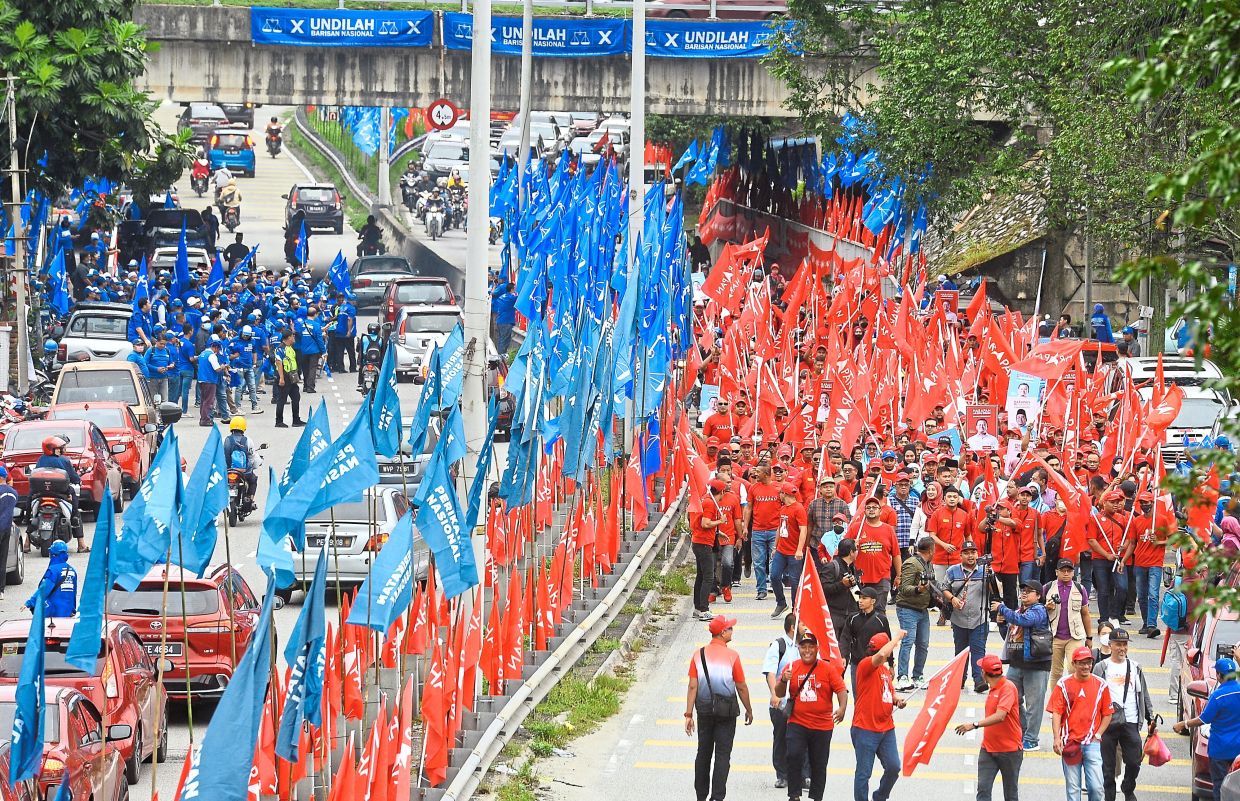
The intensity of election periods creates a distinctive emotional landscape that extends far beyond the candidate slates or policy platforms. For Malaysian politicians preparing for the upcoming state elections in Johor and Negri Sembilan, the emotional stakes are particularly high. Many have endured months of uncertainty about whether they would receive party nominations, a phase that generates considerable anxiety even before formal campaigning begins. Those who have navigated this gatekeeping process now face an entirely different set of psychological pressures—the existential worry that their political careers, carefully constructed over years or decades, could vanish in a single election cycle.
The emotional architecture of election anxiety differs markedly depending on one's position within the political ecosystem. Incumbent politicians and established leaders often experience what might be termed the "what if" syndrome, a gnawing preoccupation with potential defeat and its cascading consequences. For many, the prospect extends beyond mere loss of office to encompass broader concerns about public humiliation, damaged reputations, and derailed long-term political ambitions. The psychological burden becomes compounded when politicians consider that electoral defeat might affect not only their careers but also their families' financial security and their standing within their communities. This multifaceted threat creates a state of sustained psychological tension that characterizes much of the pre-election and campaign periods.
The physical and behavioural manifestations of this political stress are both visible and debilitating. Campaign periods are notorious for disrupting normal sleep patterns, generating fatigue that accumulates over weeks, and triggering irritability that can strain professional and personal relationships. Politicians are not unique in experiencing these symptoms; election anxiety operates as a widespread phenomenon that affects voters across the demographic spectrum. The constant barrage of media coverage, workplace discussions, and social media commentary about upcoming electoral contests creates an environment where political considerations permeate daily life. For many Malaysians, the prospect of how election outcomes might reshape government policies, economic conditions, and social priorities generates genuine concern about personal wellbeing and family security.
The contemporary digital media landscape has substantially amplified the emotional toxicity of election seasons. Unverified stories circulate rapidly across social platforms, often designed deliberately to damage candidates' reputations or inflame existing political divisions. These narratives, while frequently lacking credible foundation, nonetheless inflict genuine psychological damage on their targets and contribute to the broader climate of anxiety and suspicion. The speed and virality of social media mean that misinformation can establish itself in public consciousness faster than factual corrections can circulate, creating an environment where uncertainty itself becomes a stressor. For politicians already navigating significant personal and professional pressure, this additional dimension of reputational vulnerability intensifies their emotional burden considerably.
Despite these formidable psychological challenges, Malaysian politicians have historically demonstrated remarkable resilience. The political class has generally shown capacity to perform effectively even when facing adverse circumstances or when electoral odds appear unfavourable. This resilience reflects both temperamental factors and professional experience, as seasoned politicians develop psychological coping mechanisms refined through previous election cycles. However, such resilience comes at a cost, and the cumulative emotional toll of repeated election campaigns should not be underestimated. The ability to maintain performance under stress does not eliminate the underlying physiological and psychological strain that such periods inevitably generate.
The broader voter population faces a distinct but overlapping set of election-related stressors. As party dynamics become increasingly complex, with evolving alliances, shifting coalition arrangements, and proliferating political options, voters face what amounts to a decision-making environment of unprecedented complexity. The emotional labour of carefully evaluating candidate records, policy positions, and political viability has intensified substantially compared to earlier election cycles. For voters whose sense of identity has become intertwined with particular political movements or ideologies, election outcomes carry heightened personal significance. Political differences can feel psychologically equivalent to personal rejection, particularly when voters have invested emotional energy in supporting candidates or parties that fail to gain traction.
International research provides sobering evidence about election anxiety's mental health consequences. The British Association for Counselling and Psychotherapy documented that during the 2019 United Kingdom general elections, approximately one in three respondents reported negative impacts on their psychological wellbeing, driven primarily by uncertainty about potential policy changes following the electoral outcome. Similarly, a United States survey conducted in the year preceding the 2024 presidential elections found that fifty-six percent of American adults identified elections as a "significant stressor" affecting their daily lives. These findings suggest that election anxiety represents a genuine public health phenomenon rather than a marginal concern affecting only the most politically engaged demographics. Malaysia, despite lacking comparable robust research on election anxiety prevalence, almost certainly experiences similar patterns given the emotional investment many citizens place in electoral outcomes.
The physiological mechanisms underlying election anxiety operate through well-documented neurobiological pathways. Stress and anxiety trigger activation of the autonomic nervous system, precipitating increased release of adrenaline and cortisol, the primary hormones associated with the body's stress response. Elevated adrenaline levels correlate with increased cardiovascular risk, including heightened susceptibility to heart attacks and strokes, particularly among individuals with pre-existing cardiovascular vulnerabilities. Chronically elevated cortisol exerts far-reaching metabolic effects, including increases in blood glucose levels, suppression of immune function, and vasoconstriction that impairs circulation. These physiological changes extend far beyond temporary discomfort; sustained elevation of stress hormones during prolonged election periods potentially contributes to lasting health consequences.
Beyond the endocrine system, election anxiety affects specific brain structures that regulate emotional processing and decision-making. The amygdala, a pair of almond-shaped neural structures situated within the temporal lobes, governs emotional responses, memory formation, threat detection, and mood regulation. During periods of sustained psychological stress, the amygdala can become hyperresponsive, generating reactions that are disproportionate to the actual magnitude of threat or that reflect irrational threat perception. This neurological amplification means that voters and politicians experiencing significant election anxiety may find their emotional responses increasingly divorced from rational assessment. Reasonable political disagreements can feel like existential threats; electoral setbacks can trigger responses of intensity exceeding what objective circumstances would warrant.
What distinguishes Malaysia's electoral environment, however, is a cultural and social norm that deserves recognition. Characteristically, the acrimony, bitterness, and negativity that often dominate Malaysian campaign periods tend to dissipate remarkably quickly following the conclusion of voting. Political rivals frequently reconcile, animosity between competing factions fades, and social relationships fractured along political lines generally heal with surprising rapidity. This pattern contrasts noticeably with election environments in some other democracies, where post-election resentment often persists for months or years. The Malaysian experience suggests that while election anxiety inflicts genuine psychological costs during campaign periods, the temporary nature of this stress represents a mitigating factor compared to societies where electoral divisions calcify into enduring social fractures.
Individual personality characteristics and accumulated historical experience shape how specific Malaysians respond to election anxiety. Some voters approach elections with enthusiasm tempered by civic responsibility, drawing on emotional reserves of gratitude for democratic participation and commitment to national governance. Others bring to electoral decisions deeply considered policy positions that have developed through months of careful assessment of competing platforms and candidates. Still others experience elections primarily through the lens of partisan identity, where electoral outcomes feel personally consequential because they validate or undermine central aspects of self-conception. Understanding this heterogeneity in response patterns helps explain why election periods affect different demographic and personality groups quite differently. The upcoming state elections in Johor and Negri Sembilan will inevitably generate significant psychological effects across the population, with intensity and character varying substantially depending on individual and contextual factors.

