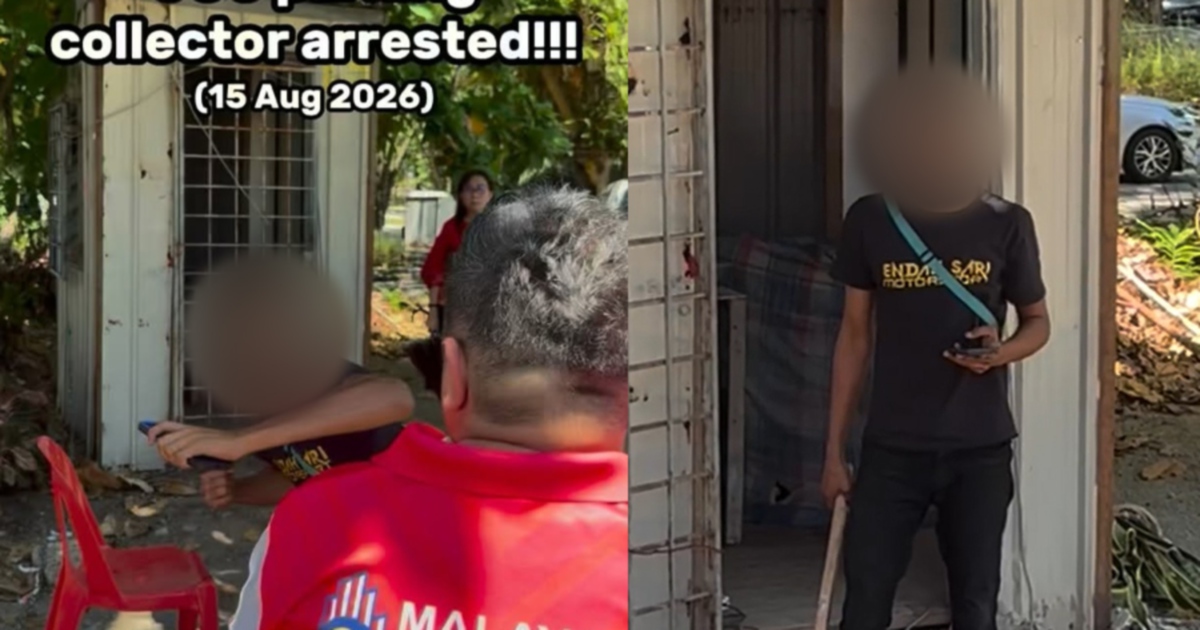
A violent confrontation over parking charges has led to the arrest of three men in Kuala Lumpur's OUG district, highlighting growing concerns about harassment linked to informal fee-collection schemes that operate in residential areas across the capital. The 38-year-old victim reportedly challenged the trio about their demands for parking payments, a common practice in Malaysian neighbourhoods where unofficial collectors attempt to extract money from residents and visitors. According to police reports, the woman sustained injuries to her head during the altercation, and the men allegedly issued threats as the situation escalated into physical violence.
The incident underscores a persistent problem in Malaysian urban communities where residents and visitors face pressure from individuals claiming authority to levy parking charges despite lacking legitimate credentials. In OUG and similar neighbourhoods, such informal collection schemes have become routine, with many residents paying what amounts to protection money to avoid their vehicles being blocked or damaged. The practice operates in a grey area where enforcement remains challenging, as these individuals rarely identify themselves as official parking operators and operate without proper authorisation from municipal authorities or residents' associations.
Police have not yet released detailed information regarding the specific circumstances that precipitated the physical assault, including whether the woman was a resident confronting collectors about repeated demands, or whether she objected to being approached as a visitor. The arrest of all three men suggests that investigators view the incident as a coordinated operation rather than an isolated dispute between individuals. Such coordinated schemes typically involve one person acting as the primary collector while others serve as intimidators, a pattern that has become increasingly recognisable in densely populated residential areas.
The OUG area, located in the Bangsar vicinity of Kuala Lumpur, is a mixed-income neighbourhood where informal parking systems have flourished alongside official municipal arrangements. Residents in this zone have repeatedly complained about aggressive collection tactics, with some reporting damage to vehicles and intimidation when they refuse to pay voluntary contributions. The lack of clear parking infrastructure and regulation in many Malaysian neighbourhoods creates conditions where such schemes thrive, as residents struggle to distinguish between legitimate charges and unauthorised extortion.
This assault case reflects broader tensions within Malaysian communities regarding parking management and neighbourhood security. Many residents' associations have attempted to regulate parking through official channels, appointing authorised collectors and establishing transparent fee structures. However, parallel informal systems frequently operate alongside these official arrangements, creating confusion and enabling unscrupulous individuals to exploit the ambiguity. The violence involved in this OUG incident suggests that enforcers of such schemes may escalate their tactics when challenged or when their revenue streams face resistance.
For Malaysian readers familiar with these neighbourhood dynamics, the incident raises important questions about personal safety and the limits of confrontation when facing potentially aggressive operatives. Safety experts generally advise residents to report suspicions of illegal collection schemes to local authorities rather than engaging directly with those involved, particularly when such individuals have demonstrated willingness to resort to violence. The escalation to physical assault in this case illustrates the risks that can accompany attempts to challenge what residents perceive as legitimate grievances.
Police investigations will likely examine whether the three arrested men have been involved in similar incidents or operate as part of a larger organised scheme within the OUG district. Such patterns often reveal systemic problems requiring intervention from municipal authorities and law enforcement to eliminate unlicensed parking operations entirely. The outcomes of this case could influence how enforcement agencies across Kuala Lumpur approach similar situations in other neighbourhoods where informal fee collection remains prevalent.
The incident comes amid broader discussions about municipal governance and property management standards in residential areas across the Klang Valley. Authorities have periodically launched campaigns against illegal parking schemes, but enforcement remains inconsistent, partly because distinguishing between authorised resident contributions and unauthorised extortion requires investigation of each case. The assault in OUG may prompt renewed scrutiny of parking arrangements in affected neighbourhoods and potentially stronger action against perpetrators of violence related to these disputes.
Residents and property managers in similar areas across Malaysia may view this case as a reminder of both the persistence of such schemes and the potential consequences of attempting to address them independently. Moving forward, community leaders in OUG and comparable neighbourhoods may consider strengthening official parking governance systems and reporting mechanisms to reduce opportunities for unauthorised collectors to operate. The arrest of the three men sends a signal that authorities are prepared to pursue criminal charges when parking disputes result in violence, though the fundamental issue of preventing such schemes from emerging requires broader administrative and community action.

