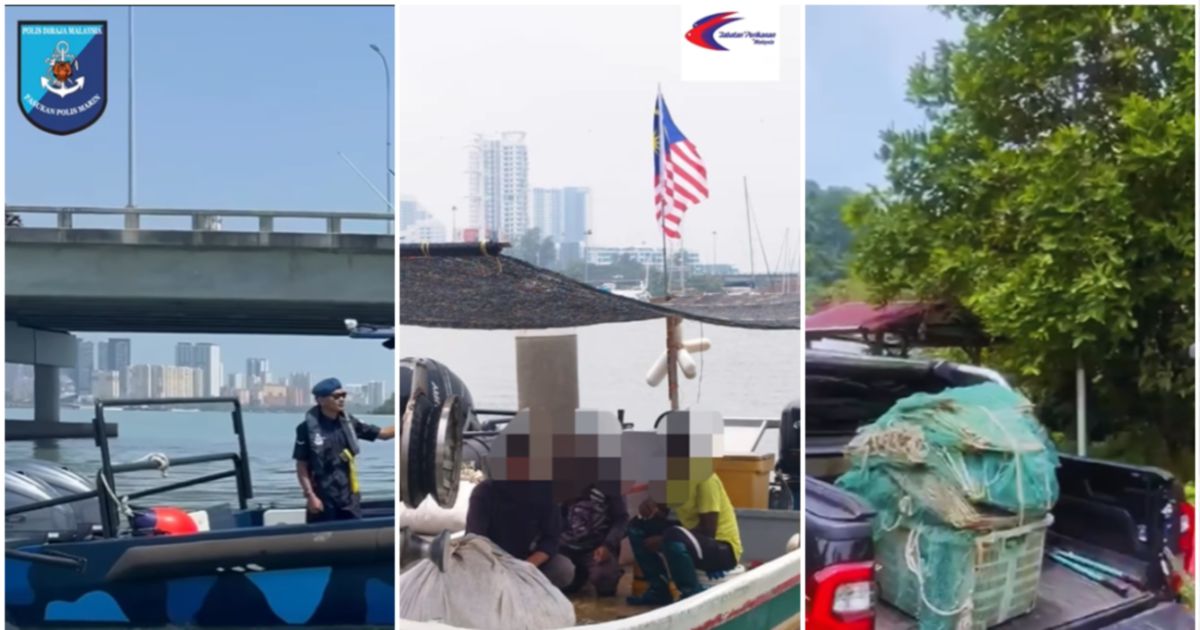
Three men now face questioning after a joint enforcement operation in Penang waters resulted in the seizure of fishing equipment and a vessel totalling RM75,360 in combined value. The arrests represent the latest action in authorities' ongoing efforts to combat illegal fishing and related maritime violations across Malaysian territorial waters. The operation, which took place yesterday, underscores the intensified coordination between multiple agencies tasked with protecting Penang's marine resources and ensuring compliance with federal fishing regulations.
The joint operation involved personnel from various enforcement agencies working in tandem to patrol waters around Penang. Such coordinated sweeps have become increasingly common as authorities respond to growing concerns about unauthorised fishing activities in the state's maritime zones. The timing and scope of yesterday's operation reflect a strategic approach to maritime policing, combining intelligence gathering with visible enforcement presence to deter would-be violators and disrupt established illegal networks.
The vessel and equipment seized during the operation will be held as evidence pending investigation and potential legal proceedings against the detained men. The RM75,360 valuation encompasses both the confiscated fishing gear and the fishing vessel itself, indicating substantial investment in what authorities determined to be unlicensed or illegal fishing operations. Such significant asset seizures serve as powerful deterrents, as they directly impact the economic viability of unregulated fishing enterprises that operate beyond official oversight.
Penang's waters, situated along crucial shipping lanes and fishing grounds in the Straits of Malacca region, have historically attracted both legitimate and illicit maritime activity. The state's position makes it strategically important for enforcement operations, as effective policing in Penang waters contributes to broader regional maritime security and resource management efforts. Illegal fishing not only deprives Malaysia of rightful resource revenues but also undermines sustainable fishery management practices essential for long-term food security and environmental preservation.
The crackdown aligns with Malaysia's commitments under international maritime law and regional agreements governing fishing rights and conservation. Southeast Asian nations have collectively acknowledged the severity of illegal, unreported, and unregulated (IUU) fishing, which represents a significant economic loss and threat to marine biodiversity across the region. By taking action against perpetrators within Malaysian waters, authorities contribute to broader efforts to maintain the integrity of the region's fishing industry and protect marine ecosystems from overexploitation.
Fishing violations in Malaysian waters range from operating without proper licensing to exceeding catch quotas, using prohibited gear, or fishing in protected zones. The distinction between these categories matters legally, as different violations carry different penalties and implications for prosecution. Yesterday's operation has not yet clarified which specific regulations the three detained men allegedly breached, though the substantial equipment seizure suggests more than minor infractions were suspected.
The enforcement action comes amid broader scrutiny of Malaysia's maritime sector, where balancing legitimate fishing livelihoods with regulatory compliance remains an ongoing challenge. Many fishermen operate within legal frameworks, but illegal operators undercut licensed competitors through reduced costs and unrestricted practices. This market distortion harms both sustainable fishing enterprises and environmental protection goals, creating pressure on authorities to maintain consistent enforcement that protects legitimate operators while deterring violations.
Penang's port authority and maritime enforcement agencies maintain regular patrols and respond to intelligence about suspected illegal operations. The joint nature of yesterday's operation suggests coordination between federal and state-level authorities, as well as possible involvement of specialized maritime police units and fisheries department personnel. Such inter-agency collaboration typically indicates either a significant operation or part of a broader enforcement campaign targeting particular areas or suspect networks.
Investigations will now focus on determining the scope of the suspected fishing operation, whether the detained men were part of a larger criminal network, and what regulations they are believed to have violated. Authorities will examine the vessel's documentation, registration records, and operational history to establish whether it was previously flagged for violations. The detained men will likely face questioning regarding their intended use of the equipment and their knowledge of applicable fishing regulations.
The seizure reinforces Penang's role as a focal point for maritime law enforcement in northern Malaysia. The state's authorities have demonstrated commitment to pursuing violations through visible operations and asset confiscation strategies. However, enforcement challenges persist, as the volume of maritime traffic and the vast expanse of territorial waters make comprehensive policing resource-intensive, requiring sustained funding and personnel investment.
Moving forward, the success of such operations depends on sustained follow-through with prosecutions that result in meaningful penalties. Deterrence functions most effectively when violators face real consequences, including fines, imprisonment, and permanent loss of confiscated assets. The three detained men's cases will signal to the broader fishing community the consequences of maritime non-compliance, potentially preventing future violations by both the accused and other potential offenders who observe the enforcement outcome.

