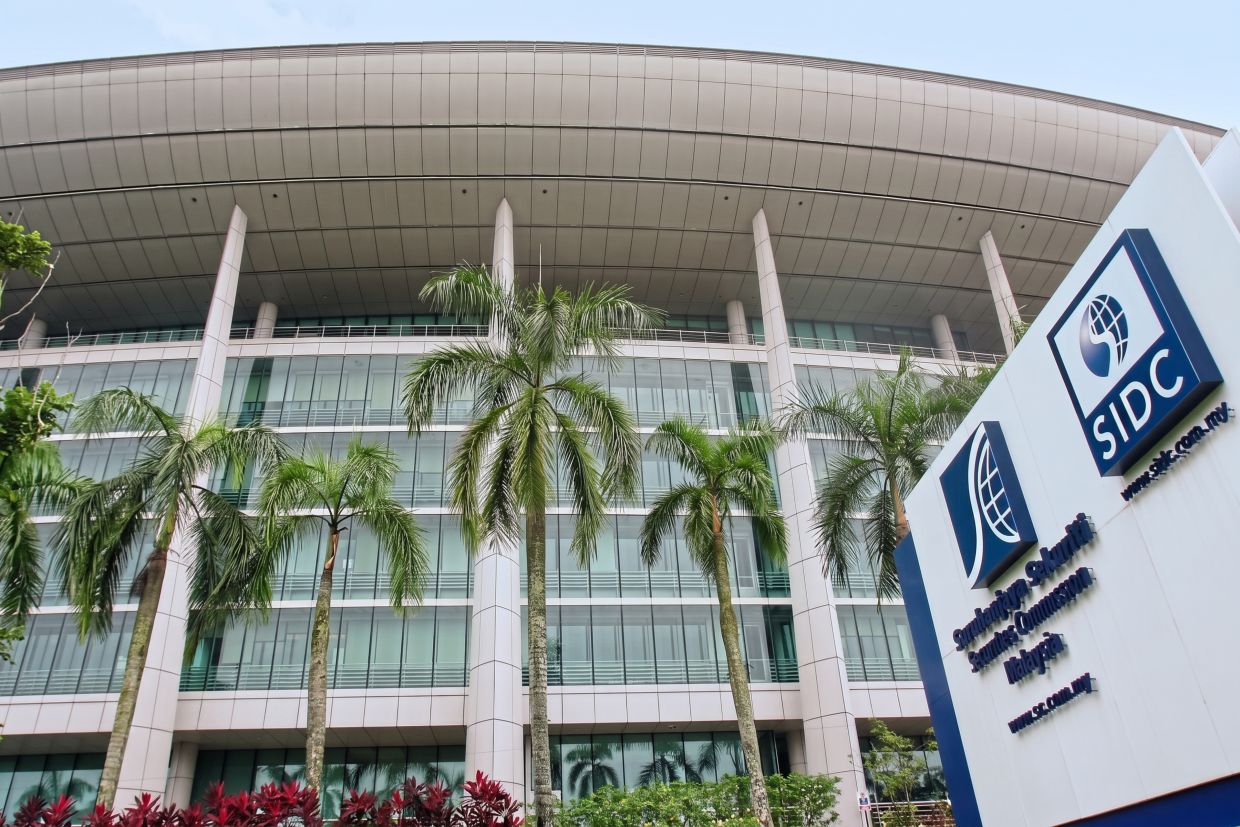
Malaysia's Securities Commission (SC) has brought charges against three brothers at Kuala Lumpur Sessions Courts for conducting unlicensed securities operations that allegedly spanned several months in 2019. The charges represent a significant enforcement action aimed at policing unauthorized capital market activities within the country's financial system. Anuar Hassan, Mohd Amin Hassan, and Amir Hassan face multiple counts under section 58(1) of the Capital Markets and Services Act 2007 (CMSA), with some charges also involving conspiracy under section 34 of the Penal Code, indicating the SC believes the brothers acted in concert to conduct their illicit operations.
The investigation centres on allegations that the three men conducted a business dealing in securities without obtaining the mandatory Capital Markets Services Licence from the SC. Operating unlicensed in Malaysia's capital markets is a serious violation that exposes retail investors to significant risks, as unlicensed operators typically lack the regulatory oversight, compliance frameworks, and customer protection mechanisms required of licensed financial service providers. The SC's enforcement action underscores growing concerns about the prevalence of unauthorized financial intermediaries attempting to operate within Malaysia's borders, potentially attracting unsuspecting investors through promises of returns without proper regulatory safeguards.
The offences allegedly occurred between March 2019 and October 2019 across multiple jurisdictions including Kuala Lumpur, Putrajaya, Selangor, and Johor. This geographical spread suggests the brothers may have operated across state lines, potentially conducting business through various channels or clients in different regions. The timeframe indicates the SC required considerable investigative effort to piece together evidence of the alleged unlicensed operations before moving to prosecution, reflecting the complex nature of financial crime investigations that often require tracing transactions, client records, and communication between multiple locations.
Court proceedings have resulted in bail conditions being imposed on all three defendants. Mohd Amin Hassan was granted bail of RM30,000 with two Malaysian sureties, subject to surrendering his passport to court and submitting to monthly reporting requirements with the SC's investigating officer. Similarly, Anuar Hassan and Amir Hassan each received bail of RM30,000 with two sureties and identical conditions. Additional charges against Amin and Amir resulted in separate bail arrangements of RM20,000 each, again with two sureties and the same reporting and passport surrender conditions. These bail terms, while not exceptionally high, demonstrate the court's assessment that the brothers present a moderate flight risk or risk of continued offences, necessitating monitoring and restrictions on their movements.
The structure of the charges reveals a sophisticated prosecution strategy by the SC. By bringing multiple charges against individual defendants and jointly charging pairs of the brothers under conspiracy provisions, prosecutors are building a comprehensive case that addresses both individual culpability and collective action. The use of section 34 of the Penal Code alongside securities legislation suggests the SC intends to prove that the brothers acted together in executing a common unlicensed securities operation, rather than operating independently. This approach strengthens the overall case and provides alternative pathways to conviction should evidence for individual charges prove insufficient.
The consequences of conviction in these cases are substantial. If found guilty, each defendant faces potential penalties including fines up to RM10 million, imprisonment for up to 10 years, or both penalties combined. These severe sanctions reflect Malaysia's determination to deter unauthorized financial operations and protect the integrity of its capital markets. The maximum 10-year prison sentence is particularly significant and suggests Parliament views unlicensed securities dealing as a serious economic crime warranting substantial incarceration periods. For individuals or families, such penalties represent life-altering consequences that serve as powerful deterrents to participation in illegal financial schemes.
The enforcement action highlights a persistent challenge facing Malaysia's financial regulator. Despite regulatory frameworks and licensing requirements, unauthorized operators continue attempting to conduct business within the country, often targeting retail investors who may lack sophisticated knowledge of legitimate versus unlicensed financial services. The prevalence of such cases suggests that demand for investment opportunities—and investor appetite for returns that may seem attractive compared to traditional banking products—creates vulnerability to unauthorized schemes. The SC's proactive prosecution approach aims to disrupt these operations and send clear market signals that unlicensed financial activity carries serious legal consequences.
From a consumer protection perspective, these charges underscore why Malaysians should verify that any investment advisor or financial intermediary holds proper SC licensing before engaging their services. The SC maintains public registers of licensed capital market services providers, and investors are encouraged to check these databases before committing funds. Unlicensed operators typically cannot offer the same protections available through Malaysia's Securities Industry Dispute Resolution Centre (SIDREC) or participate in investor compensation schemes that protect licensed operators' clients. This case demonstrates the real legal consequences authorities are willing to pursue against those operating outside regulatory frameworks.
The brothers have claimed trial to all charges, indicating they dispute the SC's allegations. Their legal defence teams will likely argue questions about whether the activities constituted genuine unlicensed dealing or present alternative interpretations of the evidence. Forthcoming court proceedings will determine whether the SC has assembled sufficient evidence to prove beyond reasonable doubt that the brothers conducted prohibited financial activities. The case will be closely monitored by the financial services industry as courts develop jurisprudence regarding what constitutes unlicensed dealing under the CMSA and how prosecutors can effectively establish conspiracy in securities law violations.
This enforcement action occurs within the broader context of Malaysia's regulatory modernization efforts. The SC has increasingly focused on fintech activities, investment platforms, and digital financial services that may fall outside traditional licensing frameworks. As investment-related activities migrate toward digital channels and platforms, regulators face growing challenges in identifying and pursuing unauthorized operators who exploit technological change to circumvent traditional oversight mechanisms. The charges against the Hassan brothers represent conventional unlicensed dealing rather than fintech-related activity, but the SC's continued enforcement sends consistent messages about regulatory expectations regardless of how financial services are distributed.
Looking forward, these cases will likely influence how the SC allocates enforcement resources and how aggressively it pursues similar allegations. Successful prosecution strengthens the regulator's deterrent capacity and validates its investigative methodologies. Conversely, acquittals or convictions on reduced charges might inform future enforcement strategies regarding evidence collection and prosecution approaches. For Malaysian investors, cases like these reinforce the importance of dealing only with SC-licensed providers and remaining skeptical of investment opportunities offered through informal networks or unverified operators. The systematic pursuit of unlicensed securities dealers serves the broader objective of maintaining capital market integrity and protecting the investing public from fraud and unauthorized financial intermediation.

