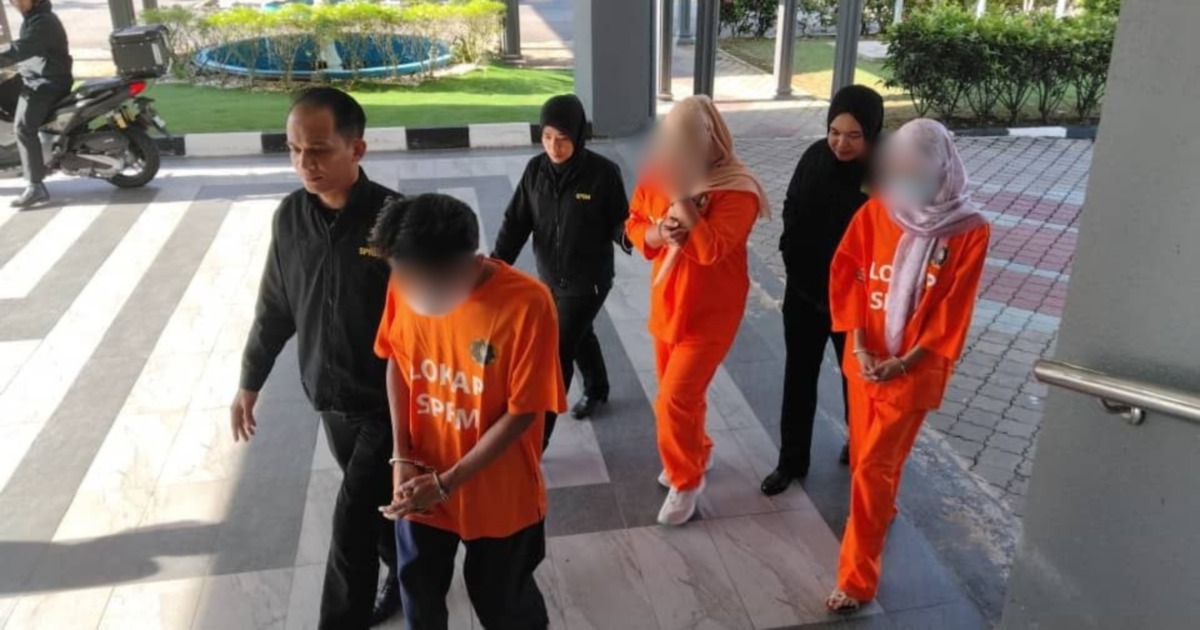
The Terengganu branch of the Malaysian Anti-Corruption Commission has taken three individuals into custody following allegations that they falsely claimed expenses totalling RM51,000 related to wedding catering operations. Among those remanded is a former operational manager of a frozen food enterprise, raising questions about how business experience may have been misused in executing what investigators suspect was a coordinated deception scheme.
The nature of wedding catering fraud in Malaysia has become an increasingly common concern, as the sector involves significant financial transactions with clients often paying substantial deposits months in advance. The RM51,000 in alleged false claims represents a considerable sum that would typically cover either a large-scale celebration or multiple events, suggesting this was not a minor isolated incident but potentially part of a systematic practice.
Investigators in Kuala Terengganu are examining how the suspects orchestrated the submission of inflated or entirely fabricated documentation to justify payments that may not have corresponded to actual services rendered. The involvement of someone with prior management experience in food supply operations particularly intrigues authorities, as such individuals would possess knowledge of legitimate invoicing procedures, supplier networks, and cost structures that could lend superficial credibility to fraudulent paperwork.
The catering industry, while economically vital to Malaysia's event management ecosystem, has historically attracted periodic scrutiny from anti-corruption bodies. Wedding celebrations remain significant financial commitments for Malaysian families across all communities, often representing one of the largest personal expenditures households undertake. When service providers misrepresent costs or deliver substandard services after collecting premiums, the reputational damage extends beyond individual victims to the wider industry.
Remand procedures in Malaysia typically last up to fourteen days for investigations of this nature, allowing authorities sufficient time to gather evidence, examine financial records, and potentially identify additional victims or co-conspirators. The MACC's intervention at the state level demonstrates institutional commitment to investigating commercial corruption, even when amounts fall below the thresholds commonly associated with high-profile national cases.
For Malaysian consumers in Terengganu and beyond, this development underscores the importance of verifying credentials and securing detailed written agreements with catering service providers before making payments. Industry observers suggest that clients should request itemised quotations, inspect references from previous clients, and stagger payments rather than remitting full amounts upfront, practices that would have likely prevented or minimised losses had they been implemented here.
The alleged scheme raises broader questions about oversight mechanisms within the catering and event services sector in Malaysia. Unlike regulated professions such as law or medicine, catering businesses operate with minimal statutory registration requirements in many states, meaning fraudulent operators can readily establish entities and disappear after collecting deposits. Industry associations have periodically called for stronger regulatory frameworks, though implementing mandatory standards remains contentious given concerns about stifling small business development.
The frozen food company connection merits particular attention, as it suggests the suspects may have leveraged existing commercial relationships and supplier networks to generate plausible-looking invoices from established businesses. This technique, where real companies unknowingly become unwitting participants in fraud schemes through their legitimate documents being reproduced or misrepresented, represents a sophisticated variant of false claims that challenges simple documentary verification approaches.
Malaysian legal statutes address fraudulent claims and commercial deception through various provisions, including those contained in the Penal Code and the Malaysian Anti-Corruption Commission Act. The prosecution of such cases typically involves examining financial trail evidence, bank transfer records, and witness testimony from both the complaining parties and individuals within the frozen food company and any catering establishments referenced in the false documentation.
For other catering businesses operating legitimately in Terengganu and surrounding states, this enforcement action carries both cautionary and reputational implications. Heightened awareness among consumers and increased MACC activity in commercial fraud cases may lead clients to exercise greater due diligence, benefiting honest operators who can document legitimate service delivery while pressuring less scrupulous competitors. However, the broader consequence of publicised fraud typically involves reduced consumer confidence across the entire sector, requiring trustworthy service providers to invest additional effort in establishing credibility through reviews, referrals, and transparent pricing structures.
As the investigation progresses through formal remand procedures and potentially toward formal charges, the case will likely generate significant local attention. The outcome may inform future regulatory discussions within Terengganu's commercial licensing framework and could prompt the state's event management industry associations to implement voluntary standards for member verification and transparency, recognising that industry self-regulation often precedes and shapes statutory requirements in Malaysia's regulatory landscape.

