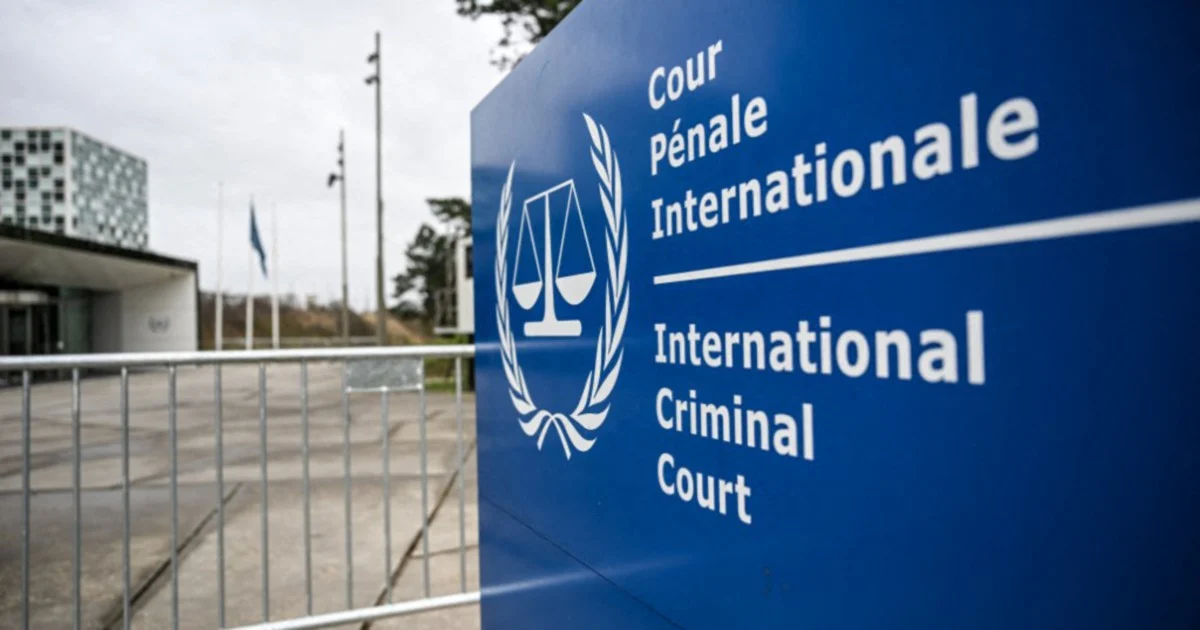
Three judges from the International Criminal Court took the extraordinary step of filing a lawsuit in federal court against President Donald Trump and other high-ranking American officials this week, challenging sanctions the United States imposed against them. The judges contend that the restrictive measures—which the Trump administration characterised as necessary responses to ICC investigations into American personnel—constitute unlawful government action that infringes their fundamental rights.
The lawsuit represents an unprecedented confrontation between the US government and the ICC, an institution created by the Rome Statute to prosecute genocide, war crimes, and crimes against humanity. The three judges, whose names and specific roles at the court were central to the filing, argued in their complaint that the sanctions imposed against them lacked proper legal authority and exceeded the bounds of executive power. By pursuing judicial recourse in the American court system, the judges are escalating tensions between Washington and The Hague, where the ICC maintains its headquarters.
The Trump administration's decision to sanction ICC officials came amid growing friction over the court's investigations and potential prosecutions of American military personnel and political leaders. The US government, which never ratified the Rome Statute and is therefore not formally subject to ICC jurisdiction, has long viewed the court with suspicion. The sanctions represented one of the harshest responses yet from Washington, signalling deep displeasure with the ICC's independence and its willingness to investigate nations that the United States considers allies or partners.
Understanding the broader context is essential for regional observers. Southeast Asia has witnessed similar tensions between international institutions and powerful nations unwilling to submit to external oversight. Several Association of Southeast Asian Nations members have grappled with questions about international criminal accountability, particularly regarding allegations in Myanmar and Cambodia. The Trump administration's challenge to ICC authority carries implications for how regional countries navigate the balance between national sovereignty and international legal obligations.
The judges' legal strategy focuses on arguing that the sanctions constitute an abuse of presidential authority and violate due process principles enshrined in American constitutional law. They claim the measures are disproportionate, targeting individual judges rather than addressing specific policy disagreements through diplomatic channels. The argument suggests that using economic sanctions against judicial officers for performing their official duties sets a dangerous precedent that could undermine the rule of law globally.
Presidents have wielded sanctions as a foreign policy tool with increasing frequency, but directing them against individual judges of an international court represents a novel application of this authority. The lawsuit challenges whether the executive branch possesses the constitutional and statutory power to penalise foreign judicial officers whose independence is theoretically protected by international law. The judges argue that the sanctions effectively attempt to silence criticism of American policy and coerce the ICC into abandoning investigations involving US interests.
The implications for the ICC as an institution are substantial. If the sanctions remain in force while the lawsuit proceeds, they could impede the judges' ability to function effectively and signal that external pressure can influence the court's composition and decision-making. This scenario worries international legal experts who view the ICC as a fragile institution already struggling with legitimacy questions in Africa and other regions where member states perceive bias. Conversely, if courts rule against the sanctions, the decision could establish important precedent protecting international judicial independence.
For Malaysia and other Southeast Asian nations, this dispute underscores the vulnerability of international institutions when they challenge powerful nations. Malaysia, which is not an ICC member, nonetheless has interests in how international criminal justice mechanisms develop. The region's complex geopolitical relationships mean that any precedent established regarding state sovereignty versus international accountability reverberates across Asia. Countries must weigh their diplomatic ties to the United States against their support for international legal frameworks designed to address mass atrocities.
The lawsuit's progress through American courts will likely be lengthy, but the underlying questions demand urgent attention. Can nations unilaterally punish judges of international courts without triggering broader institutional collapse? Should national security interests override commitments to judicial independence? These questions connect directly to regional security concerns and the Southeast Asian preference for maintaining predictable international order rather than allowing unilateral action by powerful states.
The three judges assert that the sanctions damage the ICC's credibility and operational capacity precisely when international criminal justice mechanisms face their greatest legitimacy challenges. African nations have repeatedly criticised the court for disproportionately investigating African leaders, and the American sanctions episode provides ammunition to those demanding reformation or withdrawal from the institution. By defending their positions through American legal channels, the judges are betting that constitutional protections for due process and judicial independence will prevail over executive assertions of national security authority.
As the case unfolds, observers across Southeast Asia will monitor whether international law can constrain powerful nations or whether such constraints remain merely aspirational. The outcome will influence how regional governments calculate their own relationships with international institutions and whether they commit genuine resources to supporting mechanisms designed to prevent the worst human rights abuses. The judges' willingness to contest American power through the courts suggests they believe legal principle must ultimately supersede political pressure—a conviction being tested in real time.

