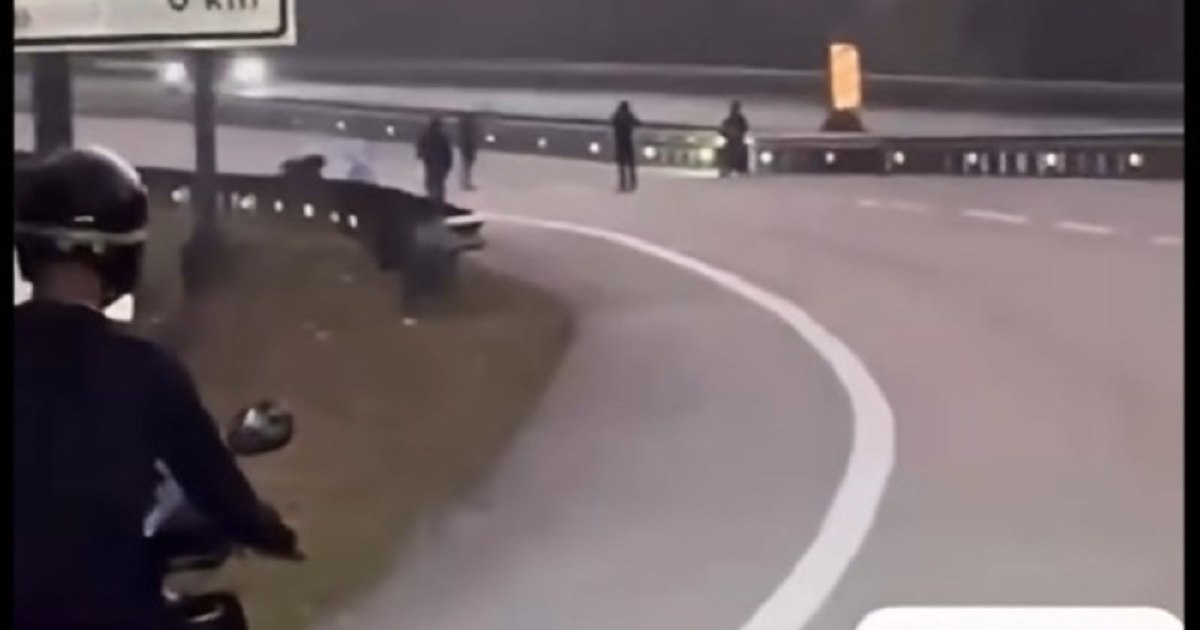
Authorities in Johor have expanded their investigation into an audacious traffic obstruction by detaining three additional suspects from Kuala Lumpur connected to a high-profile illegal motorcycle race staged on the Second Link. The arrests follow the circulation of a video on social media documenting what investigators allege was an organised attempt to monopolise one of Malaysia's busiest cross-border routes for unauthorized racing activities.
The Second Link, which connects Johor Bahru to Singapore via the Tuas Second Link checkpoint, serves as a critical artery for regional commerce and commuter traffic. The decision by the racing group to use this strategically vital corridor for their activities represents a significant breach of public order and poses considerable risks to legitimate motorists and cross-border operations. The closure or obstruction of this route, even temporarily, disrupts logistics networks spanning both nations and affects thousands of daily travellers.
The viral video provided investigators with crucial documentary evidence of the incident. Footage circulating online depicted motorcyclists deliberately blocking lanes on the highway, effectively preventing ordinary vehicles from passing through while the racers used the cleared space for their illicit activities. This brazen approach to orchestrating an underground racing event suggests a level of coordination and confidence among the participants that authorities view with concern, particularly given the public safety implications and the location's strategic importance.
These latest arrests bring the total number of individuals detained in connection with the incident to multiple suspects, indicating a widening investigation by police. The gradual expansion of arrests suggests investigators are systematically identifying participants at different levels of organisation, from those directly involved in blocking the highway and conducting races to those who may have coordinated logistics or promoted the event. Each arrest potentially yields additional leads that help authorities construct a comprehensive picture of how the incident was planned and executed.
The underground motorcycle racing subculture has long presented enforcement challenges across Malaysia. These illegal activities divert resources from law enforcement agencies and create public safety hazards, particularly when conducted on major thoroughfares where collisions could prove catastrophic. The Second Link incident represents an escalation in terms of audacity and coordination, as perpetrators moved from conducting races on lesser-known roads to deliberately closing a major international transit route.
The involvement of suspects from Kuala Lumpur indicates that this was not merely a localised Johor phenomenon but part of a wider network of organised racing enthusiasts capable of mobilising resources across state borders. This geographic spread complicates enforcement efforts and suggests the need for inter-agency coordination between federal and state police forces, as well as customs and border security officials who monitor the Second Link.
For Singapore-Malaysia commercial relations and people-to-people movement, such disruptions carry symbolic weight beyond the immediate traffic impact. The Second Link is emblematic of regional connectivity and cooperation between the two nations. Illegal activities that deliberately obstruct this crossing could strain relations if authorities appear unable to maintain order on routes of mutual importance. Both governments maintain high standards for border security and traffic management along their shared crossings.
The incident has prompted renewed scrutiny on how underground racing networks operate in Malaysia and what enforcement mechanisms prove most effective in deterring participation. Police have indicated that they are pursuing multiple charges against those involved, potentially ranging from obstructing public highways to violating traffic regulations and possibly endangering public safety. The legal consequences serve as a deterrent to others considering similar actions.
Investigations typically extend beyond merely identifying and detaining those present at the scene. Authorities generally seek to identify organisers, promoters, and those who facilitate such events through social media recruitment or provision of equipment and logistics. Understanding the full operational structure helps prevent future incidents by disrupting the networks that enable underground racing culture to flourish.
The case underscores the ongoing tension between enforcement capacity and the adaptability of underground racing communities, which continuously evolve their tactics to evade detection. While this particular incident was documented through social media footage that drew police attention, many other illegal racing events occur with less visibility and potentially escape detection entirely. The scale of resources required to comprehensively address this issue extends across traffic management, intelligence work, and community outreach.
Moving forward, the incident serves as a reminder to motorcyclists and vehicle owners of the serious legal and personal consequences associated with organised illegal racing. Beyond individual criminal liability, such activities endanger the lives of participants and innocent motorists. The Second Link closure, however temporary, affected not only Malaysian and Singaporean residents but also freight operators and business interests dependent on predictable cross-border transit times.

