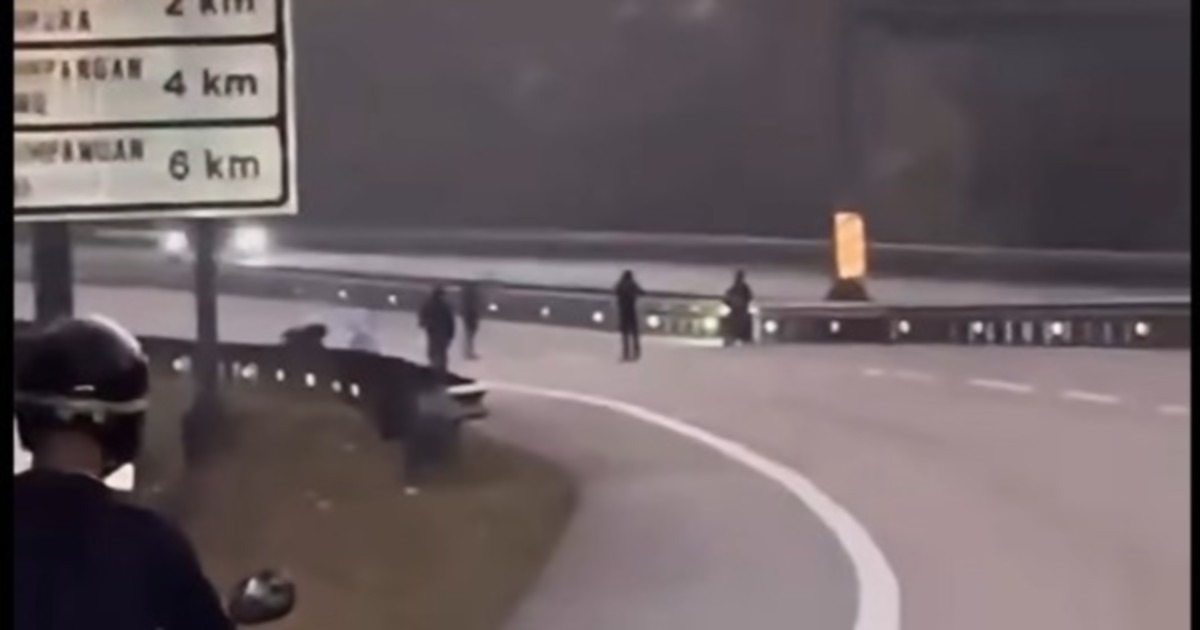
Police have expanded their crackdown on illegal motorcycle racing following the remand of three additional suspects connected to a high-speed event on the Second Link highway in Johor. The new arrests bring the total number of people taken into custody in relation to the incident to 11, signalling an increasingly serious law enforcement response to what has become a persistent challenge for highway safety authorities across Malaysia.
The Second Link, a critical transport corridor linking Johor Bahru to Singapore, has become an unexpected flashpoint for illegal racing activity. These incidents pose substantial risks not only to the participants themselves but to other motorists using the thoroughfare for legitimate commercial and personal transportation. The repeated occurrence of such events on a major international gateway raises questions about surveillance capabilities and preventive measures currently in place on the highway.
Illegal motorcycle racing has emerged as a recurring problem in Malaysian urban and highway environments, particularly among younger demographics. Events are often organised through social media channels and encrypted messaging platforms, making them difficult for authorities to detect in advance. The participants typically seek thrills through high-speed stunts, midnight street races, and display riding that endangers themselves and innocent road users.
The escalating number of arrests suggests that authorities are adopting a more aggressive investigative posture toward organisers and participants alike. Each person detained can potentially provide investigators with information about the broader network supporting these events, including those who finance, coordinate, and promote illegal racing activities. This intelligence-gathering approach aims to dismantle the organisational infrastructure rather than simply addressing individual incidents.
For Malaysian road users and the wider transport community, these enforcement operations represent necessary intervention into behaviour that has periodically resulted in serious injuries and fatalities. Highway authorities have reported multiple accidents involving illegal racers, some with tragic outcomes. Beyond the immediate safety concerns, such activities also strain emergency services and divert police resources from other pressing law enforcement priorities.
The Second Link's status as a border crossing and major commercial route adds another dimension to concerns about illegal racing there. The highway facilitates substantial bilateral trade and tourism between Malaysia and Singapore, and disruptions or safety incidents can affect the corridor's reputation and operational efficiency. Authorities from both jurisdictions have cooperative arrangements for highway safety, making coordinated responses to such incidents potentially feasible.
Legal consequences for those arrested in connection with illegal racing can be substantial under Malaysian traffic and penal codes. Beyond monetary fines, participants may face suspension of driving privileges, seizure of vehicles, and in more serious cases, imprisonment. First-time offenders typically receive lighter sentences, but repeat violators or those deemed to have played organisational roles often face enhanced penalties.
The involvement of 11 individuals suggests this was not a spontaneous event but rather an organised gathering with multiple roles—riders, observers, organisers, and potentially those documenting the activity for social media. Understanding the composition of arrested individuals helps authorities assess whether they are dealing with localised groups or networks spanning multiple states.
From a preventive perspective, the continued occurrence of such incidents indicates that awareness campaigns and education initiatives aimed at discouraging illegal racing may require reinforcement or reorientation. Young people drawn to motorcycle racing possess genuine enthusiasm for two-wheeled vehicles; channelling this passion toward legal track-day events and organised motorsport activities remains an underexplored opportunity for authorities working with the motorcycle community.
Technology plays an increasingly important role in modern law enforcement responses to highway crimes. Traffic cameras, automatic number plate recognition systems, and drone surveillance have enhanced authorities' capacity to monitor major routes like the Second Link. However, sustained investment and integration of these systems across Malaysia's highway network remains necessary to provide consistent coverage.
The remand of the three additional suspects allows police to conduct further investigations and questioning regarding the extent of their involvement. Authorities will likely seek details about the event's organisation, participant identities, and any connections to previous illegal racing incidents. The information gathered during this phase will shape prosecutorial strategy and potentially identify other individuals involved.
For Malaysian society broadly, these enforcement actions reflect wider debates about balancing individual freedoms with public safety obligations. While some view street racing as harmless recreation, the objective risks to life and property make government intervention legally and morally justified. The challenge for policymakers lies in crafting comprehensive approaches that combine enforcement with alternative outlets for the motorcycle-riding community's passion for speed and performance.

