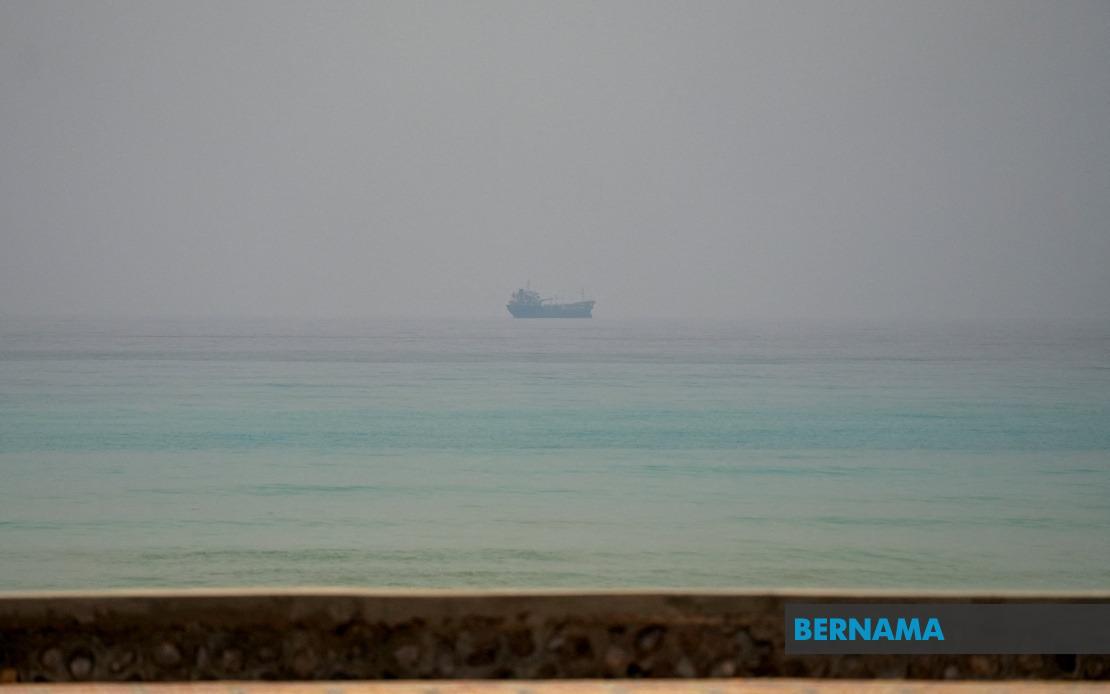
Three crude oil tankers operating in waters near Oman experienced strikes in coordinated incidents on Tuesday, prompting emergency evacuations and intensifying concerns about maritime security in one of the world's most strategically significant shipping corridors. The triple attack left three seafarers unaccounted for and another killed, while six additional crew members sustained injuries, according to statements from Oman's Maritime Security Centre and the shipping company operating two of the affected vessels.
The Stolt Magnesium was the first vessel to be struck, experiencing impact approximately 40 nautical miles from South Al Sharqiyah Governorate in waters beyond Oman's territorial jurisdiction. The collision ignited a fire within the ship's engine compartment, creating an immediate danger to the 23-person crew aboard. A passing merchant vessel responded swiftly to the distress, conducting a full evacuation of personnel who were subsequently reported to be in stable condition, though the incident raised alarms about the escalating hazards confronting commercial shipping in the region.
The second incident involved the Mombasa B, which suffered a strike approximately 8.5 nautical miles from Musandam Governorate's shoreline. This impact disabled the vessel's main propulsion system, rendering it unable to manoeuvre independently. All 21 crew members were rescued by a nearby cooperating ship, but six of those evacuated required medical attention for injuries sustained during the attack. The Royal Navy of Oman positioned itself to observe developments and provide potential assistance to the crippled tanker.
The third vessel, Al Bahyah, was struck roughly 9.6 nautical miles off Musandam Governorate. This attack proved the most serious in terms of casualties, with 18 crew members successfully evacuated but three colleagues remaining missing at the time authorities issued their statement. Search and rescue operations were immediately mobilised to locate the unaccounted personnel. ADNOC Logistics & Services, the maritime division of Abu Dhabi National Oil Company, confirmed that both the Al Bahyah and Mombasa B were its operated assets and that both had been targeted by projectiles during their transit through the Strait of Hormuz, with one fatality reported among crew members across the incidents.
The coordinated nature of the three attacks points to a deliberate campaign rather than isolated accidents, underscoring the vulnerability of commercial shipping in one of the world's most critical energy transport arteries. The Strait of Hormuz remains the passage through which approximately one-third of global seaborne petroleum traffic flows, making it indispensable to energy security for Asian economies including Malaysia and wider Southeast Asia. Any sustained disruption to this corridor carries profound implications for regional fuel prices, supply reliability, and broader economic stability across the continent.
These incidents occur against the backdrop of simmering US-Iran confrontation centred on controlling and influencing activity within the Strait's waters. Recent military posturing, drone incidents, and naval deployments by both powers have created an environment of heightened tension where commercial vessels face unpredictable risks. The attacks represent a dangerous escalation that threatens to weaponise international shipping and transform a vital commercial corridor into a contested military domain, with innocent seafarers and global trade exposed to the consequences of geopolitical rivalry.
Oman's Foreign Ministry responded by issuing a statement emphasising the necessity of upholding international maritime law, preserving freedom of navigation throughout the waterway, and guaranteeing the protected passage of civilian commercial ships. This diplomatic intervention reflects the sultanate's role as a stabilising voice within the region and its interest in preventing further deterioration of security conditions that could jeopardise the livelihoods of international seafarers and the commercial interests of trading nations.
For Malaysia and other nations dependent on stable Strait of Hormuz transit, such incidents carry direct relevance to energy costs and supply chain reliability. Southeast Asian economies import substantial petroleum volumes, and any disruption to shipping in the strait threatens inflation, industrial competitiveness, and consumer energy prices. The incidents underscore why regional nations have vested interests in de-escalation and the restoration of predictable maritime conditions in contested waterways.
The injured crew members from the three tankers were receiving medical care of varying intensity depending on injury severity. The search for the three missing seafarers represented an immediate humanitarian priority, with rescue coordination efforts continuing across the maritime zone. The deployment of Omani naval assets reflected the sultanate's commitment to assisting distressed vessels and supporting international maritime safety protocols despite the complex geopolitical environment.
These attacks elevate concerns within international shipping communities about insurance costs, vessel routing decisions, and the sustainability of traditional commercial shipping patterns through the Strait. Maritime insurers may reassess premium structures, and shipping companies could redirect routes through longer alternatives, adding costs that ultimately affect global supply chains and consumer prices. The incident demonstrates how regional military tensions translate into concrete economic consequences for distant trading partners and economies.
The international community faces mounting pressure to establish mechanisms preventing further escalation. Diplomatic channels between the United States, Iran, and regional actors require urgent activation to prevent the Strait of Hormuz from becoming a proxy battleground where commercial vessels and their crews become unintended casualties. The protection of international shipping lanes constitutes a shared interest transcending bilateral disputes, and coordinated international pressure remains essential for preserving maritime peace in this strategically essential waterway.

