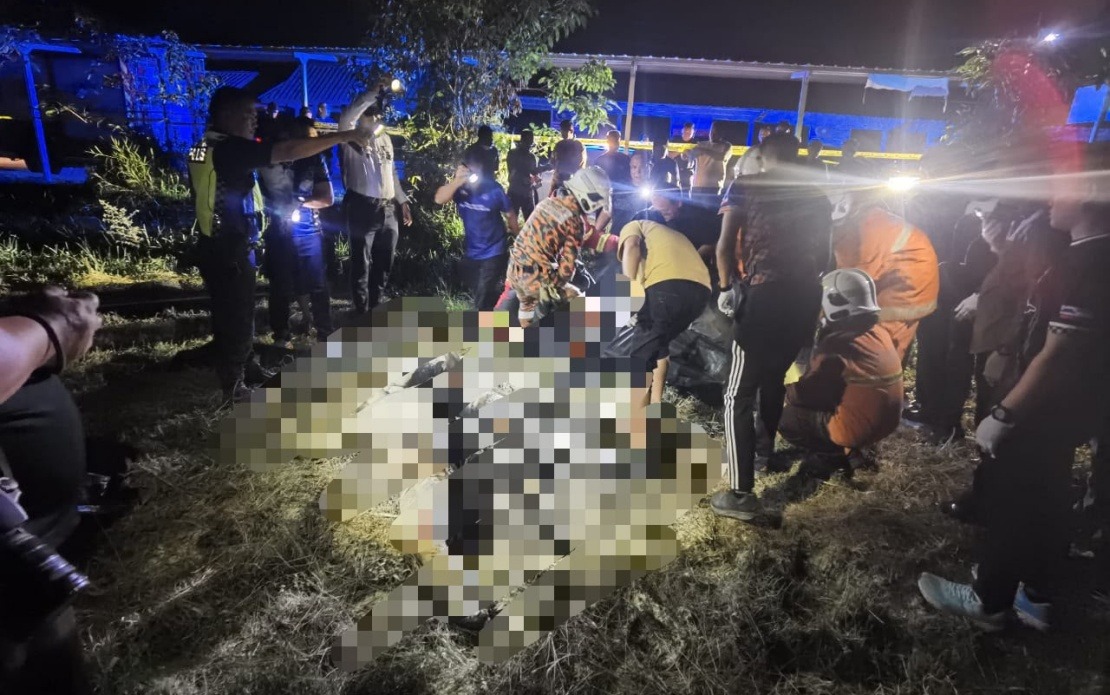
A tragic incident in the rural Beaufort district of Sabah claimed the lives of three police officers on the afternoon of August 6, with initial investigations pointing toward electrocution as the likely cause. The three men were discovered along Jalan Weston in Kampung Weston, prompting an emergency response from local rescue and emergency services. The circumstances surrounding their deaths have raised concerns about workplace safety and electrical hazard management in the state, particularly in rural areas where infrastructure oversight may be inconsistent.
The Sabah Fire and Rescue Department received notification of the emergency at 5.56 pm, triggering a rapid mobilization of personnel and equipment from the Beaufort Fire and Rescue Station. A specialized Fire Rescue Tender unit, staffed by seven trained responders, was dispatched to the scene approximately 28 kilometres away. Operations Commander PBK I Irwan Abdul coordinated the rescue and recovery efforts, working alongside personnel from the Royal Malaysia Police and representatives from Sabah Electricity, the state's primary power utility.
Within hours of the incident, multiple videos documenting the scene circulated across social media platforms, depicting the three victims lying on the road surface with concerned members of the public gathered in the vicinity. The rapid dissemination of these videos underscores the increasingly immediate nature of information flow in contemporary Malaysia, where eyewitness accounts and visual documentation can reach thousands within minutes. This phenomenon, while valuable for raising awareness and prompting official response, also highlights questions about privacy, trauma documentation, and the emotional toll on families and communities.
The exact sequence of events leading to the suspected electrocution remains unclear as investigations continue. Authorities have not yet released the identities of the three deceased officers, pending formal notification of next of kin and completion of preliminary inquiries. The involvement of Sabah Electricity in the emergency response suggests that electrical infrastructure malfunction or contact with live electrical lines may be involved, though this has not been officially confirmed.
The incident raises important questions about occupational hazards faced by law enforcement and emergency personnel in Malaysia, particularly during routine patrol or operational activities. Police officers across the nation encounter diverse environmental risks as part of their daily duties, from traffic accidents to criminal incidents, yet electrocution represents a less commonly documented cause of death in the force. The circumstances in Beaufort may prompt a broader safety review within Sabah's police operations and across Malaysia's larger enforcement agencies.
Electrical safety concerns in Sabah have periodically surfaced in public discourse, particularly regarding aging infrastructure in rural communities and the adequacy of maintenance schedules for public utilities. The Beaufort incident may catalyze renewed attention to electrical hazard prevention, both in the context of law enforcement activities and in broader infrastructure management. Sabah Electricity's cooperation with rescue and investigative efforts will be crucial in determining whether equipment failure, maintenance lapses, or other factors contributed to the tragedy.
The coordination between multiple emergency and utility services in response to this incident demonstrates Malaysia's established protocols for handling complex rescue and investigation scenarios. However, the involvement of three separate organizations also raises questions about inter-agency communication efficiency and whether previous incidents at this location or along Jalan Weston might have raised safety concerns that could have been preventatively addressed.
For the three officers' families and their police colleagues, the loss represents both a personal tragedy and a stark reminder of the occupational risks inherent in law enforcement work. The incident will likely receive attention from police welfare organizations and may prompt discussions within the force regarding workplace safety training and equipment standards, particularly for officers working in environments with identified electrical hazards.
As investigators work to compile a comprehensive account of the events, Sabah's public will likely scrutinize both the immediate circumstances of the incident and the broader question of whether adequate preventative measures exist to protect both law enforcement personnel and the general public from similar electrocution risks. The findings of the investigation may have implications extending beyond Beaufort, potentially influencing safety protocols and infrastructure management practices across Sabah and neighboring states.

