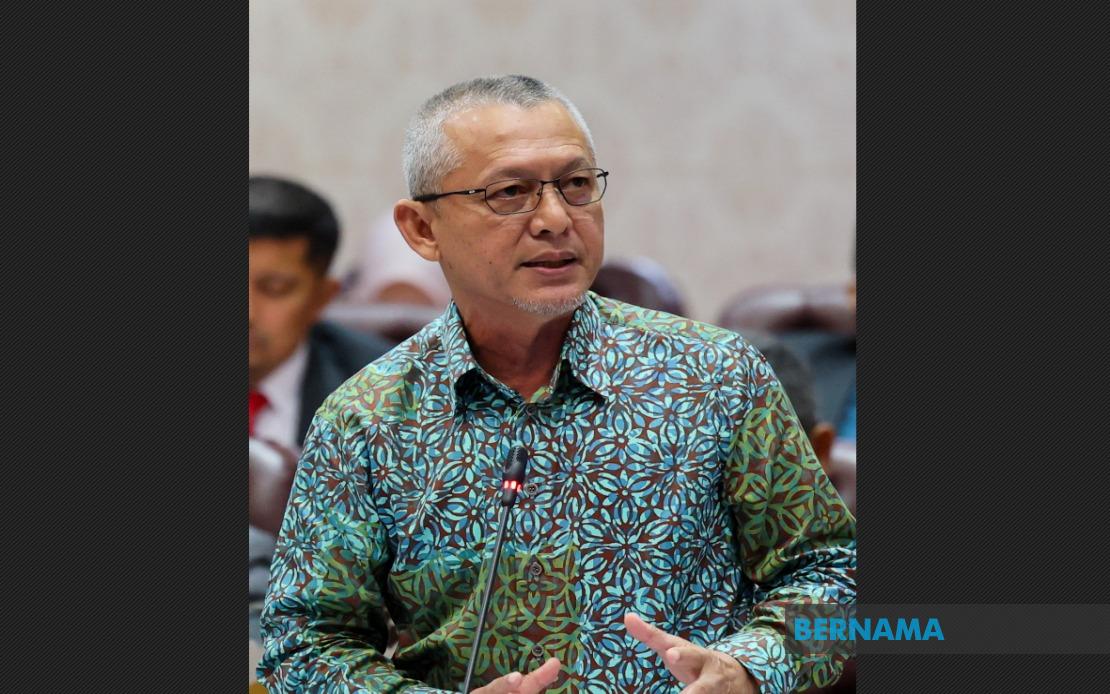
A significant shake-up has struck Terengganu's Bersatu leadership as the state party chief and two prominent assemblymen announced their departures from senior party roles, marking another visible sign of strain within the coalition structure in the state. The developments, which came to light in early August, underscore persistent challenges facing Bersatu at the grassroots level as the party navigates internal reorganisation and shifting political dynamics across Malaysia.
Datuk Razali Idris, who holds the dual position of Terengganu State Executive Council member and state party chief, formally submitted his resignation letter to Bersatu president Tan Sri Muhyiddin Yassin on July 16. However, the absence of any formal acknowledgment from the party's central leadership has left the situation in a state of limbo. Razali explained that he continues to await confirmation, acceptance or rejection of his resignation from the top hierarchy, a delay that underscores bureaucratic sluggishness or possibly deeper deliberations within party headquarters regarding the implications of his departure.
Razali indicated that he intends to pursue a further step by resigning from his position as Marang Bersatu division chief mid-August, though administrative responsibilities have necessitated a temporary postponement of that move. This staggered approach to his exit suggests a desire to ensure orderly transition of duties rather than an abrupt departure, demonstrating some concern for continuity within the divisional structure. His continued tenure in the State Executive Council despite the party leadership resignations illustrates a careful separation between his governmental role and party organisational functions.
Two other significant figures in the Terengganu political landscape have also signalled their exits from party positions. Telemong state assemblyman Mohd Zawawi Ismail has stepped down from his role as Terengganu State Bersatu information chief, while Hulu Besut assemblyman Mohd Husaimi Hussin has relinquished his position as State Bersatu treasurer. Both legislators confirmed their intentions to formally notify the central Bersatu leadership of their departures through official documentation, ensuring that their resignations are properly registered at the national level.
Worth noting is that all three individuals have made explicit clarifications regarding the scope of their departures. Despite vacating their state leadership positions, Razali Idris, Mohd Zawawi and Mohd Husaimi have collectively affirmed that they remain full members of Bersatu and are not abandoning the party entirely. This distinction carries considerable weight, as it suggests their resignations stem from dissatisfaction with state-level party management rather than fundamental disagreement with the broader party platform or national leadership direction under Muhyiddin.
The timing of these simultaneous resignations raises questions about underlying coordination or a shared grievance binding the three figures. While the individuals have not publicly articulated specific reasons for their departures, such coordinated action typically signals either mounting frustration with state party governance, concerns about party direction, or tactical repositioning within Terengganu's complex political ecosystem. In Malaysian state politics, where factional tensions frequently simmer beneath the surface, such moves often precede broader organisational changes or leadership contests.
Terengganu represents a crucial battleground for Bersatu and its coalition partners. The state has been a focal point for party activism and contains several high-profile representatives whose standing influences party narratives at the national level. The departures of individuals holding significant responsibilities—particularly the state chief position and the treasurer role—cannot be dismissed as mere administrative reshuffling. These roles carry real influence over party resources, communications strategy, and financial management, making their vacancy potentially consequential.
The apparent lack of urgency from Bersatu headquarters in responding to Razali's resignation letter warrants scrutiny. In typical party bureaucracies, such matters receive prompt attention, and the silence from Muhyiddin and the central leadership might indicate either deliberate foot-dragging or preoccupation with higher-priority concerns. This response pattern could itself be generating frustration among state-level activists and leaders who expect acknowledgment and decisive action on such significant matters.
For Malaysian observers tracking coalition stability and party dynamics, these Terengganu developments serve as a useful barometer of health within the Bersatu structure. The party, which has undergone considerable transformation since its inception, continues to navigate questions about internal cohesion and member retention. When state-level figures—particularly those holding ministerial positions and legislative seats—find cause to resign from party posts, it invariably sends ripples through broader political calculations and may influence how other members view their continued engagement.
The distinction between party membership and party office becomes operationally significant in this context. By maintaining their Bersatu membership while abandoning leadership roles, the three individuals preserve their political options and party affiliation while signalling clear dissatisfaction with the current state-level apparatus. This approach allows them to eventually return to leadership positions if circumstances shift, or to maintain a foothold within party structures should they wish to contest for different roles in future party elections and reorganisation exercises.
Moving forward, Bersatu's national leadership faces implicit pressure to address the concerns underlying these resignations, even if such concerns have not been publicly articulated. Failure to do so risks emboldening further departures and creating a narrative of internal instability heading into critical political periods. The Terengganu situation therefore merits close monitoring by political analysts and coalition observers seeking to assess whether these represent isolated incidents or early warning signs of broader organisational friction within Muhyiddin's party structure.

