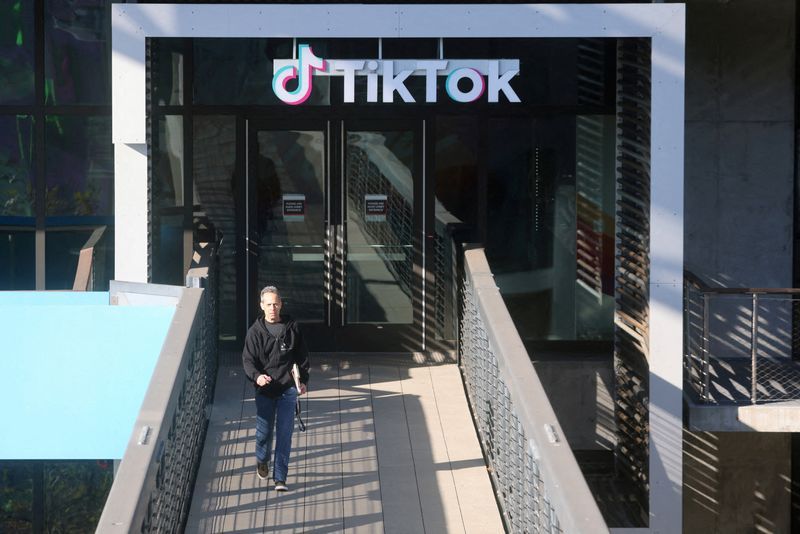
TikTok has agreed in principle to settle a significant lawsuit filed by a minor claiming the platform caused serious mental health damage, according to Morgan & Morgan, the law firm representing the plaintiff. The agreement, announced on Tuesday, marks another major milestone in an expanding wave of litigation targeting social media companies over their impact on young users' psychological wellbeing. While the settlement framework has been reached, the parties are still finalising specific terms and conditions, indicating the deal has not yet concluded entirely.
The case involved R.K.C., a 15-year-old boy from Florida, who initiated legal action against four major social media platforms simultaneously. Beyond TikTok, the lawsuit named YouTube (owned by Google), Instagram (Meta), and Snapchat (Snap Inc) as defendants, framing the complaint as part of a broader examination of how these platforms contribute to deteriorating mental health among children and adolescents. The multi-platform approach reflects growing recognition that the problem extends across the entire social media ecosystem rather than any single application.
According to court filings submitted in the case, R.K.C. began using social media at approximately eight years old—an age when psychological vulnerability to addictive design features is particularly pronounced. His experience, documented in the legal proceedings, demonstrates a now-familiar pattern: initial engagement evolved into compulsive use that significantly disrupted his daily functioning. The constant connectivity and algorithmic feeds designed to maximise engagement time reportedly caused him to lose sleep regularly, a symptom increasingly linked to adolescent depression and anxiety disorders in psychological research.
The mental health consequences R.K.C. experienced—specifically depression and anxiety—align with findings from studies examining social media's impact on youth populations. These conditions, once established during critical developmental years, can have long-term implications for educational achievement, social relationships, and adult mental health trajectories. His case therefore carries significance beyond the individual plaintiff, potentially influencing how courts and legislators understand the causal relationship between platform design and youth psychological harm.
The TikTok settlement arrives on the eve of what legal observers expect will be the second significant trial examining social media's culpability in the youth mental health crisis. The litigation is proceeding through California state courts, where judges have shown willingness to allow such cases to proceed despite platforms' arguments about Section 230 protections and other legal defences. This jurisdictional choice matters for Malaysia and Southeast Asia, as California court decisions often establish influential precedents that shape how technology companies modify their global practices.
YouTube, despite being named in the same lawsuit, already settled its portion of the case in June, signalling that some social media giants may prefer negotiated resolutions to the uncertainty and reputational damage of public trials. This strategic retreat by YouTube—a platform with billions of young users worldwide—suggests internal calculations that the cost of settlement is preferable to prolonged litigation and discovery processes that might expose internal documents about youth engagement targeting and algorithmic optimisation.
Meanwhile, Instagram and Snapchat remain scheduled for trial in July, indicating that not all defendants are pursuing settlement strategies. Their decision to proceed to trial suggests either confidence in their legal positions or a preference to challenge the underlying claims about causation and platform responsibility. These forthcoming trials will generate extensive public testimony and evidence about how social media platforms engineer user engagement, particularly among youth demographics.
The implications for the Asian region are considerable. Malaysia, where internet penetration and social media adoption among young people rival global averages, faces similar challenges regarding youth mental health and platform accountability. Malaysian regulators and policymakers monitoring these California proceedings will likely draw lessons about potential regulatory frameworks and corporate responsibility standards. The success of individual litigation in the United States may influence whether Malaysian consumers and advocacy groups pursue similar legal strategies domestically.
Moreover, these settlements and trials demonstrate a fundamental shift in how technology companies face legal liability for harms associated with their products. Rather than treating mental health impacts as inevitable consequences of innovation, courts are increasingly receptive to arguments that platform design choices represent deliberate decisions with foreseeable harmful consequences. For social media users throughout Southeast Asia, this represents a potential turning point in corporate accountability, though translating American legal victories into practical protection remains uncertain.
The pattern of settlements and trials also reflects a broader reckoning with platform business models that prioritise engagement metrics and advertising revenue over user wellbeing. Companies optimise algorithms to maximise time spent on platforms, exploit psychological vulnerabilities, and resist transparency about their internal research on negative effects. As these legal cases accumulate and settlements increase in value, social media companies face mounting pressure to fundamentally alter how they approach youth user engagement and content moderation.
Looking ahead, the California trials scheduled for July will likely generate significant media attention and may produce precedents affecting how social media companies operate globally. For Malaysia's young population, already among the highest social media users globally, the outcomes of these American lawsuits could eventually influence how local platforms modify their algorithms, implement age restrictions, and design safety features. The TikTok settlement represents progress toward corporate accountability, though substantial questions remain about whether legal liability will translate into meaningful protection for young users.

