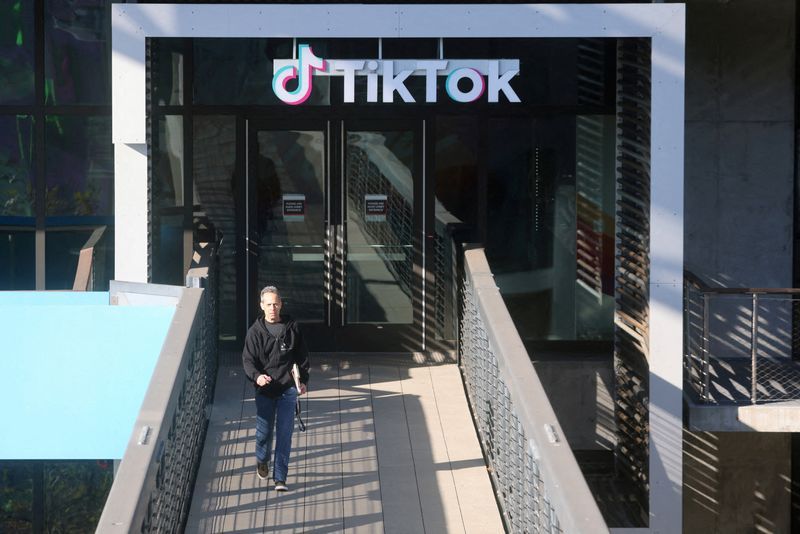
TikTok is moving to resolve litigation brought by a 15-year-old Florida resident who alleged that prolonged use of the platform contributed to depression, anxiety and sleep deprivation, according to his legal representatives at Morgan & Morgan. The settlement has been reached in principle, though the specific terms remain under negotiation, the plaintiff's law firm announced on Tuesday. This latest settlement reflects an accelerating pattern of out-of-court resolutions as social media platforms face mounting legal pressure over their alleged role in fostering youth mental health crises.
The teenager, identified by his initials R.K.C. in court documents, first engaged with social media platforms around age eight and subsequently developed what he characterised as an addictive dependency. His experience mirrors a growing body of anecdotal evidence presented across American courts, where young people describe experiencing compulsive usage patterns, interrupted sleep cycles, and psychological distress tied to platform engagement. The case itself forms part of a broader wave of litigation questioning whether technology companies deliberately architected their services to maximise user engagement at the expense of adolescent wellbeing.
Notably, R.K.C.'s original complaint named four major defendants spanning Google's YouTube division, Meta's Instagram subsidiary, Snapchat owner Snap Inc., and ByteDance's TikTok. YouTube already secured settlement terms in June, leaving Meta and Snapchat to confront trial proceedings scheduled to commence on July 27 in a California state court. The TikTok settlement therefore represents a strategic retreat from formal litigation, avoiding both the unpredictability of jury verdicts and the reputational costs of extended courtroom proceedings.
This development arrives amid an extraordinarily crowded legal landscape. California state courts are currently processing more than 3,300 pending cases alleging social media addiction, whilst the federal court system in California manages an additional 2,600 cases initiated by individual litigants, educational institutions, municipal governments, and state attorneys general. The sheer volume underscores the intensity of public concern regarding technology platforms' influence on vulnerable populations and the willingness of courts to entertain these claims.
The litigation landscape intensified considerably following a March verdict in a prior California state court case that involved similar allegations. In that proceeding, a jury determined that both Meta and Google operated negligently, awarding USD 4.2 million in damages against Meta and USD 1.8 million against Google. Notably, TikTok and Snapchat had already withdrawn from that trial through settlement agreements before any jury could reach verdicts. A judge subsequently rejected motions by Meta and Google seeking to overturn the jury's findings, establishing a precedent that adds considerable weight to settlement discussions in pending cases.
Federal litigation has simultaneously progressed, with a Kentucky school district pursuing claims against Meta, Snapchat, TikTok and YouTube. Rather than risk trial outcomes, all four defendants agreed to a collective settlement worth USD 27 million in June. This federal resolution demonstrates that concerns about social media's effects extend beyond individual users to institutional stakeholders concerned with student populations and school district resources diverted toward addressing mental health consequences.
All named defendants have consistently disputed characterisations of their platforms as inherently addictive mechanisms. Technology companies maintain that they implement comprehensive safeguards designed to protect younger users, including age-appropriate content filters, usage time reminders, and parental supervision tools. These assertions have proven insufficient to halt litigation, however, as courts increasingly permit cases to proceed on theories that platforms' fundamental design philosophies—algorithmic recommendation systems, notification features, and engagement metrics—operate in tension with user welfare.
The geographic scope of claims extends far beyond California and federal jurisdictions. Virtually all fifty American states have launched independent lawsuits against these companies, alleging misrepresentation of platform safety and deliberate manipulation of youth psychology through addictive design patterns. This coordinated legal assault from multiple governmental levels suggests bipartisan consensus that social media regulation through litigation represents a viable policy instrument.
For Malaysian and Southeast Asian observers, these American legal developments carry significant implications. The precedents being established regarding platform liability, damages assessments, and settlement amounts may eventually influence regulatory frameworks and legal strategies in this region, where social media penetration among youth populations remains exceptionally high. Southeast Asian governments and civil society organisations monitoring these cases may find themselves emboldened to pursue comparable litigation strategies or draft legislation modelled on emerging American standards regarding platform transparency and youth protection.
The TikTok settlement, while keeping specific financial terms confidential for now, signals that even the most successful and dominant platforms recognise litigation as imposing genuine costs. Whether through damages awards, settlement payments, or mandatory design modifications, social media companies face escalating consequences for their engagement algorithms and youth-targeting strategies. The cumulative effect of thousands of parallel lawsuits across multiple jurisdictions may ultimately prove more transformative than any single regulatory intervention.

