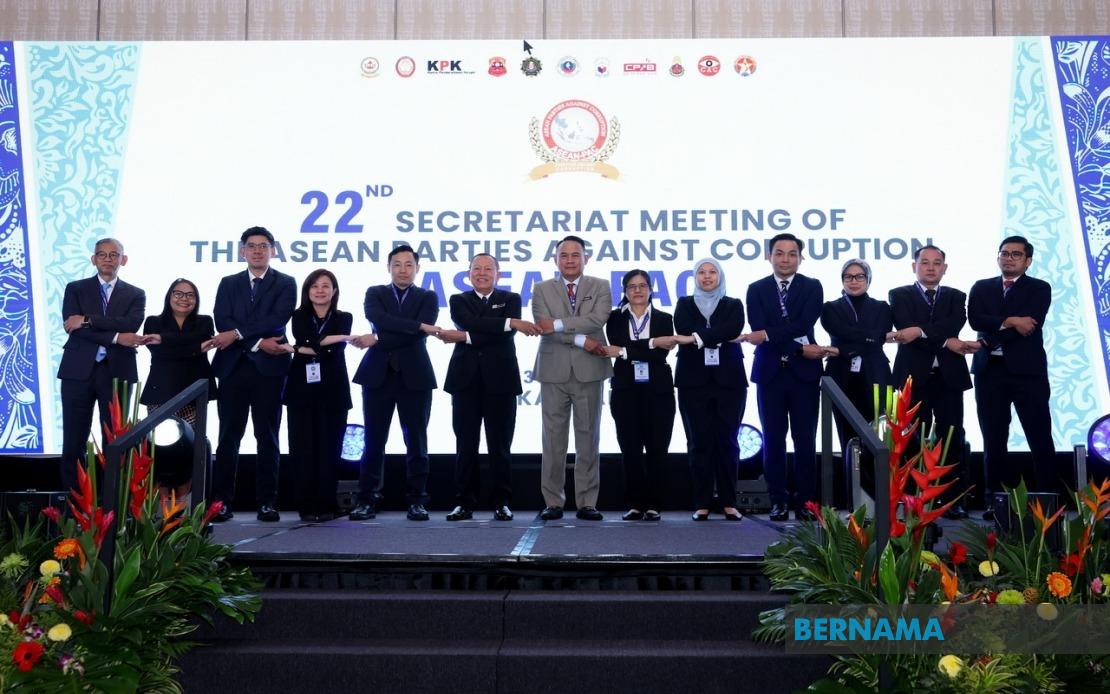
Timor-Leste's acceptance into the ASEAN Parties Against Corruption (ASEAN-PAC) represents a meaningful milestone for regional governance, as the newest Southeast Asian member brings fresh impetus to an established institutional framework dedicated to combating graft. The development was announced during the 22nd ASEAN-PAC Secretariat Meeting held in Melaka, where Malaysian Anti-Corruption Commission (MACC) chief commissioner Datuk Seri Abd Halim Aman underscored the strategic importance of this enlargement for the region's integrity architecture.
Timor-Leste's membership on the Secretariat Committee positions the nation alongside established anti-corruption agencies from across ASEAN, creating opportunities for knowledge transfer and capacity building. The inclusion of what remains one of Southeast Asia's youngest nations demonstrates the ASEAN-PAC's commitment to universality within the bloc, ensuring that even newer members can participate fully in coordinated efforts against systemic corruption. This expansion reflects a deliberate strategy to embed anti-corruption principles throughout the entire region, recognising that graft in any single nation can undermine the integrity of regional economic and political systems.
The Secretariat Meeting served as a working forum bringing together anti-corruption authorities from all ASEAN member states, creating a space for frank discussion on emerging challenges and proven countermeasures. Beyond the representatives from national agencies, the gathering included delegations from international bodies such as the International Association of Anti-Corruption Authorities, the United Nations Office on Drugs and Crime, and the Asian Development Bank. This multi-stakeholder approach acknowledges that corruption transcends national boundaries and requires engagement with global expertise and technical assistance.
Malaysia's hosting of the annual Secretariat Meeting underscores the MACC's prominence within regional governance networks and reflects the country's sustained commitment to anti-corruption leadership. The rotation of hosting responsibilities among member states—with Myanmar expected to assume the chair role at the next meeting scheduled for October—distributes ownership of the agenda and ensures that all nations have visibility in shaping the ASEAN-PAC's strategic direction. This rotating system strengthens institutional legitimacy and prevents any single nation from dominating the framework's priorities.
According to Abd Halim, member states continue to demonstrate substantial political backing for ASEAN-PAC initiatives, extending collaboration well beyond the formal annual meetings. The cooperation increasingly operates through digital channels, including video conferences and direct correspondence, enabling real-time coordination on emerging corruption cases and coordinated investigation efforts. This infrastructure of continuous engagement distinguishes ASEAN-PAC from international forums that operate purely through episodic gatherings, instead creating a functioning network of practitioners who can marshal coordinated responses to transnational financial crime.
The platform enables anti-corruption agencies to share intelligence about cross-border financial flows, beneficial ownership structures, and money laundering networks that often exploit gaps between national jurisdictions. For Malaysian readers, this interconnectivity matters considerably, given the country's position as a major financial hub and the frequency with which Malaysian regulatory agencies encounter foreign proceeds suspected of corruption origin. Enhanced coordination with counterparts in Indonesia, Thailand, Vietnam, and other ASEAN members means faster identification of suspicious transactions and more effective asset recovery.
Timor-Leste's accession arrives at a moment when regional corruption challenges have grown more sophisticated and harder to detect through traditional means. The nation, rebuilding state institutions following independence, brings distinct perspectives on institutional development and anti-corruption strategy from a post-conflict context. Its participation enriches the collective experience within ASEAN-PAC, as member agencies can learn from Timor-Leste's approaches to establishing integrity systems in nascent bureaucratic structures—lessons potentially applicable elsewhere in the region where institutional capacity remains uneven.
The ASEAN-PAC framework operates within the broader architecture of ASEAN governance, reflecting the association's consensus-based decision-making style while allowing technical bodies autonomy in operational matters. This balance enables the anti-corruption agencies to develop sophisticated mechanisms for cooperation without requiring all members to harmonise their domestic legal systems, an unrealistic expectation across such diverse jurisdictions. Instead, the framework focuses on practical collaboration—witness interviews across borders, joint investigations into transnational networks, and coordinated prosecutions where evidence implicates individuals across multiple countries.
Malaysia's leadership of the Secretariat during a period of significant expansion demonstrates confidence in the existing institutional arrangements and suggests optimism about the framework's sustainability. The country successfully navigated the transition from hosting the heads-of-agency meeting in the previous year to managing the broader Secretariat gathering, indicating effective institutional memory and administrative capacity. For observers tracking ASEAN's institutional development, Malaysia's stewardship suggests that even relatively specialist technical bodies can function effectively within the association's consensus framework when member states maintain genuine commitment to their mission.
The admission of Timor-Leste also carries symbolic weight, representing ASEAN's intent to build inclusive regional institutions that encompass the entire Southeast Asian family. Rather than creating parallel networks of the wealthier or more established members, ASEAN-PAC remains deliberately universal, rejecting the hierarchical structures that sometimes characterise international organisations. This inclusiveness strengthens the legitimacy of anti-corruption work across the region, ensuring that all ASEAN members can claim ownership of collective integrity standards.
Looking ahead, the challenge for the expanded ASEAN-PAC lies in translating institutional cooperation into measurable improvements in corruption investigation and prosecution. Membership in the framework brings visibility and resource access but requires sustained commitment from each nation's anti-corruption leadership to implement jointly agreed strategies. The upcoming Myanmar chairmanship, despite political complexities within that nation, presents an opportunity for ASEAN-PAC to demonstrate its resilience and its capacity to pursue technical cooperation across even challenging political environments.

