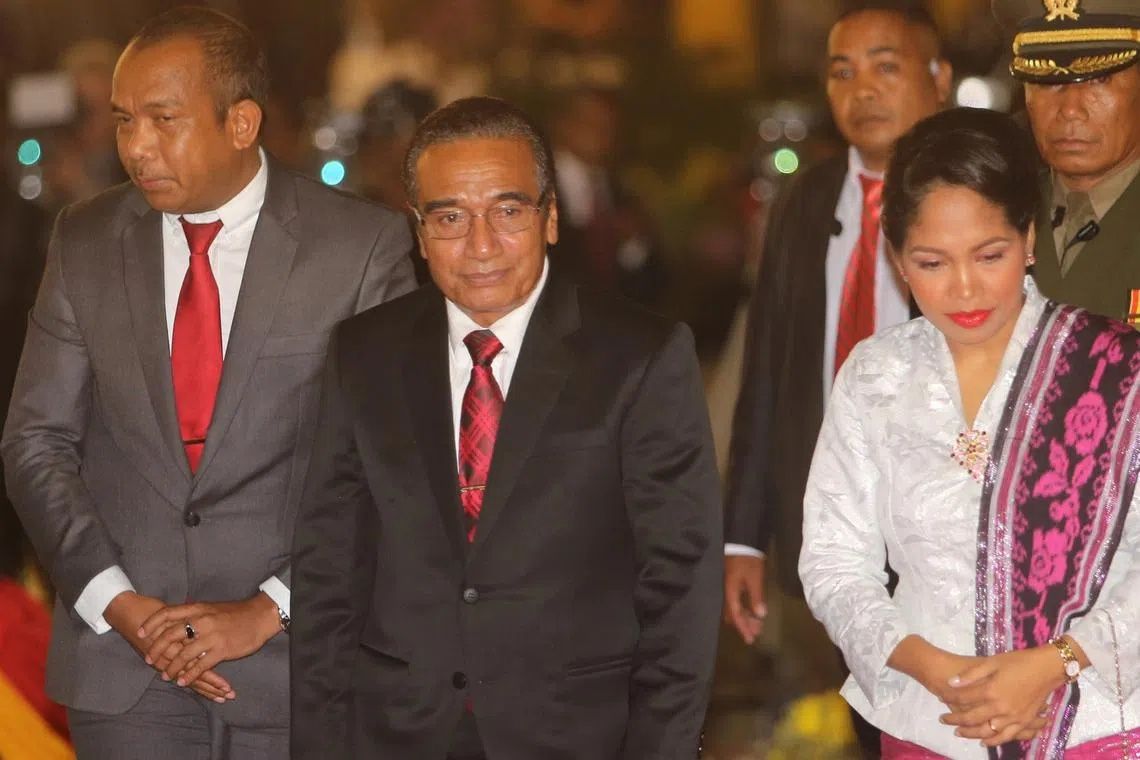
Timor-Leste has entered a period of national mourning following the death of former president Francisco "Lu-Olo" Guterres, with the government ordering flags at all public buildings, including diplomatic missions abroad, to be lowered to half-mast. The 71-year-old passed away at a Malaysian hospital over the weekend, marking the end of an extraordinary life dedicated to the Southeast Asian nation's liberation and development. Government officials announced the seven-day mourning period on Monday, June 22, as the country paid tribute to one of its most significant historical figures.
Guterres occupies a rare position in modern Southeast Asian politics as both a revolutionary commander and an elected statesman who guided his fledgling nation through a critical phase of state-building. His political career spanned multiple decades, beginning with armed resistance against Indonesian occupation and culminating in his election as the nation's sixth president in 2017, when he secured more than 57 percent of the popular vote. This trajectory from guerrilla leader to constitutional leader illustrates the compressed history of post-colonial Southeast Asian nations, where founding-generation figures often bridge the gap between independence struggle and democratic governance. His presidency from 2017 to 2022 represented a crucial period for institutional consolidation in a country that had only recently achieved full sovereignty.
The former president's body is anticipated to arrive in Dili, the capital, on Tuesday, according to his brother Domingos Guterres, who provided updates to journalists regarding the repatriation arrangements. The family has requested privacy during their bereavement whilst the government continues to finalise funeral ceremonials befitting his status as a national founder. These arrangements reflect the complex intersection of personal grief and collective mourning when a nation loses a founding figure, particularly one whose life encompassed the entire trajectory of modern national existence.
Current President Jose Ramos-Horta, who defeated Guterres in the 2022 presidential runoff election, issued a statement characterising his predecessor as a "great patriot" and describing his death as "a great loss for the nation." The gracious acknowledgment from Ramos-Horta, himself a Nobel laureate and internationally respected statesman, underscores the respect that even political opponents held for Guterres's contributions to national independence and development. This measured response also demonstrates the maturity of Timor-Leste's democratic institutions, where electoral rivals can publicly acknowledge shared commitment to national interests transcending partisan divisions.
Guterres's political legacy is inseparable from the Revolutionary Front for an Independent East Timor, commonly known as Fretilin, the party he formerly led and which governed during portions of his adult life. The government extended formal condolences to Fretilin alongside expressions of sympathy to the broader Timorese population, recognising that his passing represents a loss not merely to his family but to multiple constituencies and institutions. Fretilin has remained a significant political force in post-independence elections, and Guterres's tenure as party leader proved formative in shaping the organisation's trajectory during critical junctures in national development.
Guterres's formative years were marked by the brutal 24-year Indonesian occupation that gripped East Timor from 1975 until 2002, a period characterised by widespread violence and humanitarian suffering. Fighting for independence during these decades positioned him amongst the generation of leaders who endured clandestine resistance, military pressure, and the psychological toll of prolonged conflict. His emergence as a significant political figure occurred against this backdrop of struggle, and his eventual ascent to the presidency represented vindication of the independence movement's goals and a symbolic triumph for those who had sacrificed during the occupation years.
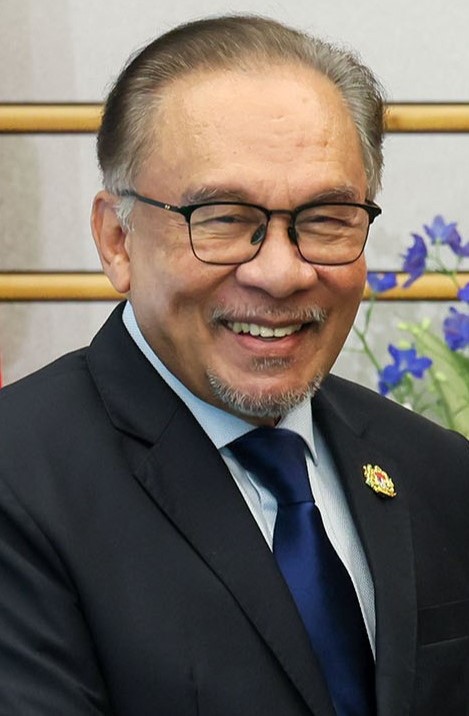
The geopolitical dimensions of Guterres's death extend beyond Timor-Leste's borders, as evidenced by expressions of sympathy from regional leaders including Malaysian Prime Minister Datuk Seri Anwar Ibrahim. Malaysia's connection to the late president was particularly immediate given that Guterres passed away whilst receiving medical treatment in a Malaysian hospital, a reminder of the integrated healthcare networks across Southeast Asia. Anwar characterised Malaysia as mourning alongside the Timorese people and pledged that Guterres "will be remembered here with respect and affection," language that reflects both personal regard and diplomatic recognition of his stature as a regional elder statesman.
The timing of Guterres's passing in a Malaysian medical facility illustrates the practical realities of healthcare access in the region, where advanced medical treatment sometimes necessitates travel beyond national borders. His death whilst abroad adds an additional layer of complexity to the mourning period, as repatriation logistics and international protocol intersect with deeply personal family matters. The coordination between Malaysian authorities, Timorese government officials, and Guterres's family members exemplifies the cross-border operational challenges that emerge when a prominent citizen passes away during overseas medical treatment.
Guterres's life encompasses the full arc of Timorese national experience in the modern era, from colonial subordination through violent struggle to democratic independence. His 2017 election victory represented the electorate's confidence in his stewardship during a foundational period, whilst his 2022 electoral defeat did not diminish the recognition of his historical significance. The decision to observe a formal week of mourning acknowledges that Guterres's contributions extended beyond any single electoral cycle or presidential term, encompassing the broader liberation narrative that remains central to Timorese national identity.
The mourning period will provide space for reflection on Guterres's legacy within Timorese society and amongst the regional community. His passing marks another chapter in the generational transition that many post-colonial Southeast Asian nations are experiencing, as founding-era leaders gradually depart the scene. For Timor-Leste specifically, the loss of Guterres coincides with broader questions about how the nation will memorialise and institutionalise the memories and lessons of its independence struggle as living participants in those events become fewer in number. The week of national mourning serves simultaneously as recognition of personal loss and as a structured moment for collective reflection on the paths taken and challenges remaining for the nation he helped liberate.