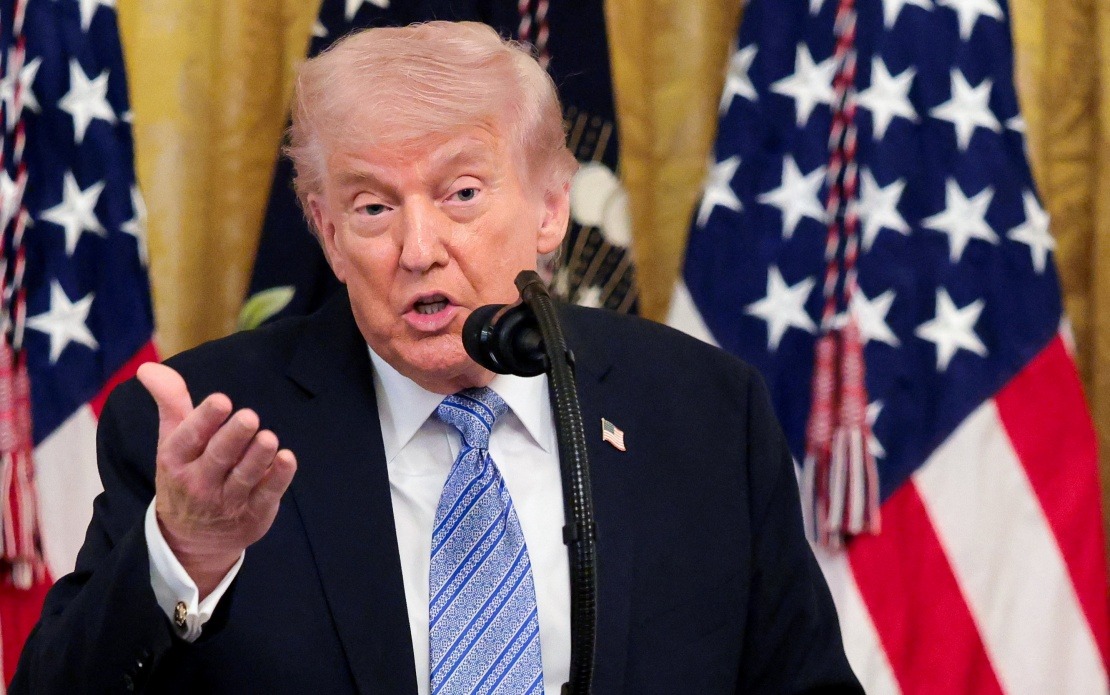
Donald Trump announced on Monday that he had conducted a constructive dialogue with Andy Burnham, the recently appointed British Prime Minister, highlighting the strength of Anglo-American relations and laying groundwork for future engagement between the two leaders. The US President took to his Truth Social platform to characterise the exchange as successful and wide-ranging, signalling Washington's readiness to work closely with the new British administration on pressing international matters.
The conversation touched on a substantial array of bilateral and global concerns, reflecting the depth of the transatlantic partnership. Among the specific topics discussed were North Sea oil operations, trade arrangements between the two economies, the military and defence alliance binding the nations, and the sensitive matter of demining operations in the Hormuz Strait—a critical waterway through which vast quantities of global energy supplies transit annually. The breadth of subjects indicates that neither leader confined the discussion to ceremonial pleasantries, instead engaging on substantive policy areas affecting both national interests and regional stability.
Trump's characterisation of the call as having "gone very well" and being "interesting" suggests a rapport between the two leaders despite their respective political contexts. For the incoming British administration under Burnham, early positive engagement with the United States carries significant strategic value. The UK relies heavily on American security cooperation through NATO and bilateral defence arrangements, while trade relationships under negotiation require American goodwill. The swift establishment of cordial relations at the highest level provides a foundation for more detailed negotiations in the months ahead.
The mention of North Sea oil underscores the continuing relevance of energy security in transatlantic discussions, particularly as both Western allies navigate complex geopolitical challenges and seek energy independence from adversarial sources. Britain's North Sea operations remain economically significant and strategically important for European energy diversification, making it a natural conversation point between Washington and London as they assess shared interests in resource management and energy cooperation.
Trade discussions between the US and UK have long been fraught with complications stemming from Brexit and subsequent trade friction. Trump's willingness to discuss this matter directly with Burnham suggests potential openness to negotiating bilateral trade arrangements, an outcome that the British government has pursued since leaving the European Union. How these discussions progress will significantly affect British exporters and the broader economy, making this early engagement consequential for domestic economic prospects.
The reference to military alliance reflects the enduring NATO commitment and broader defence cooperation between the two nations. As security challenges from Russia and China intensify, maintaining robust transatlantic defence partnerships becomes increasingly critical. Trump's emphasis on this dimension signals continuity in this relationship despite broader shifts in American foreign policy priorities, offering reassurance to London that fundamental security commitments remain intact.
The Hormuz Strait demining discussion carries particular significance for global maritime trade and regional stability. This waterway has been subject to heightened tensions and repeated incidents affecting shipping safety. Joint efforts to demine or secure the strait would enhance freedom of navigation and protect international commerce, an outcome beneficial to all trading nations including Malaysia and broader Southeast Asia, whose economic interests depend on reliable shipping corridors.
Trump's indication that the leaders would meet in the near future demonstrates commitment to deepening the relationship beyond initial contact. In-person summits between American and British leaders typically produce more substantive outcomes than telephone conversations and allow for the kind of personal chemistry that can facilitate cooperation on difficult issues. The timeline suggested by Trump indicates that priority placement in both leaders' schedules reflects mutual recognition of the relationship's importance.
For Malaysia and Southeast Asian nations more broadly, the dynamics of US-UK relations carry indirect but meaningful implications. A strengthened transatlantic partnership, particularly if it extends to coordinated approaches on trade, technology standards, and security arrangements, affects the regional balance of power and the multilateral frameworks through which smaller nations navigate great power competition. Should Washington and London align on Indo-Pacific strategy and Southeast Asian engagement, it could reshape regional geopolitical equations and influence trade patterns that affect Malaysian interests.
The Burnham government's outreach to the Trump administration also reflects broader British strategic recalibration. Following internal political turbulence, the new Prime Minister appears intent on stabilising international relationships and establishing credentials as a reliable partner. Early positive engagement with the United States, the world's leading superpower, serves multiple purposes—it reassures domestic audiences about Britain's international standing, demonstrates competent foreign policy management, and creates political capital for negotiating on other fronts.
While Trump's comments remain largely positive and non-specific, they lay a diplomatic foundation upon which more detailed negotiations will proceed. The substance of these future discussions, particularly regarding trade terms and security cooperation, will ultimately determine whether this promising opening translates into concrete outcomes benefiting both nations. For now, both leaders have signalled willingness to engage substantively and develop the partnership constructively.

