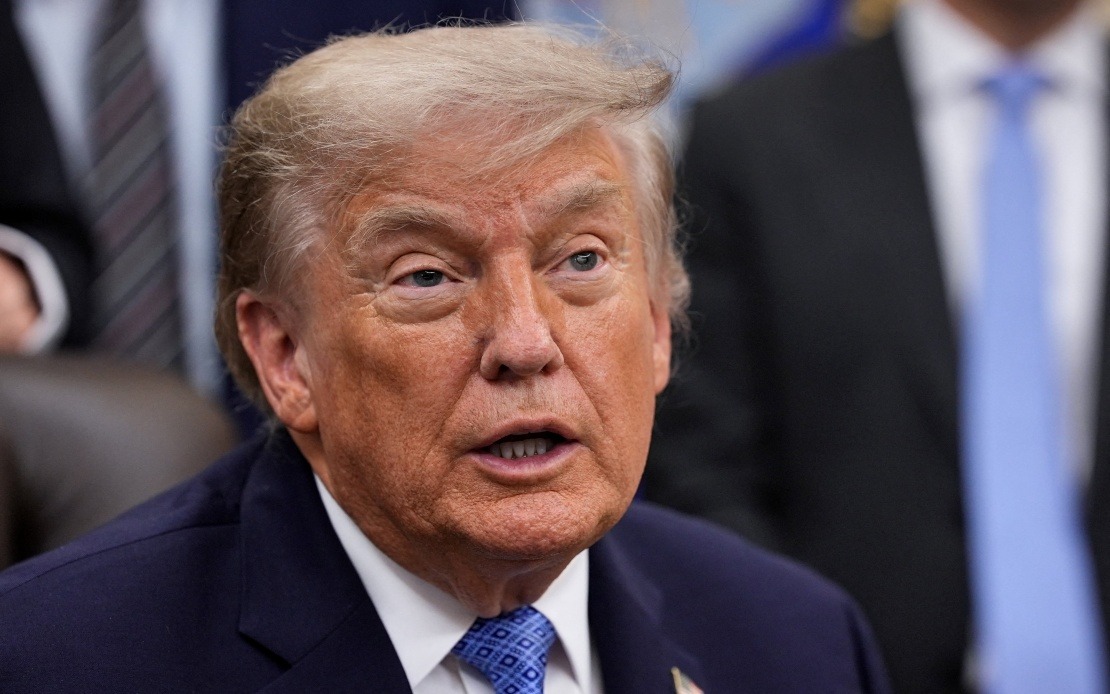
US President Donald Trump announced late Tuesday that he has suspended a planned 50 per cent tariff on Canadian imports that were set to take effect the following morning, buying time for further negotiations between the two countries. The decision to pause the duties for three days represents a significant shift in Trump's approach to the cross-border trade dispute, coming just hours before the scheduled implementation deadline. Trump disclosed the development through his Truth Social platform, confirming that both nations had made sufficient progress toward resolving their differences to warrant delaying the punitive measures.
The tariff pause follows intensive negotiations between the White House and the Canadian government, culminating in a phone conversation between Trump and Canadian Prime Minister Mark Carney on Tuesday. Carney had been actively engaged in efforts to prevent the imposition of duties on approximately C$30 billion ($22 billion) worth of Canadian exports, which would have significantly impacted manufacturers, farmers, and energy producers on both sides of the border. The three-day reprieve provides a critical window for legal teams and negotiators to finalize the formal documentation of what both parties describe as an emerging accord.
The nature of the tentative agreement remains partially unclear, though Trump hinted at broader implications for continental energy infrastructure. The US President suggested that the deal framework could facilitate the resurrection of the Keystone XL pipeline, an ambitious cross-border energy project designed to transport crude oil from Canada's oil sands to refineries in the United States Gulf Coast. The Biden administration cancelled the pipeline in 2021 through executive order, citing environmental and climate change concerns, but Trump has long championed the project as economically vital for both nations and a symbol of continental cooperation on energy matters.
For Malaysian and Southeast Asian observers, this trade dispute holds relevance beyond bilateral North American concerns. The resolution or escalation of US-Canada tariff tensions serves as a barometer for how Trump intends to wielding tariff authority against other trading partners, potentially setting precedents that could affect regional economies. Malaysia and other ASEAN nations maintain substantial trade relationships with both the United States and Canada across sectors including electronics, palm products, and manufactured goods, meaning any hardening of protectionist trade policies in North America could have ripple effects throughout Asia-Pacific supply chains.
The broader context of Trump's tariff strategy suggests an administration willing to use trade duties as leverage for diplomatic and economic objectives. The threatened 50 per cent rate on Canadian goods represents an extraordinarily high figure that would have disrupted integrated North American supply chains, particularly in automotive manufacturing, agriculture, and energy sectors. By pausing rather than permanently cancelling the tariffs, Trump maintains pressure on Canadian negotiators while demonstrating flexibility—a negotiating posture that suggests the administration views tariffs as tools for achieving specific policy outcomes rather than permanent economic barriers.
Canada's willingness to engage in rapid negotiations reflects the severity of potential economic consequences from such steep duties. The nation's economy depends significantly on cross-border trade, with the United States absorbing roughly three-quarters of Canadian exports. A sudden implementation of 50 per cent tariffs would have immediately raised prices for American consumers on Canadian energy, automobiles, agricultural products, and manufactured goods while disrupting continental production networks that have taken decades to develop. The speed with which Mark Carney moved to secure negotiations and reach preliminary agreement underscores the genuine threat the tariff represented to Canadian economic stability.
The Keystone XL dimension of the emerging deal reveals how Trump administration thinking connects energy independence, infrastructure development, and trade relations into integrated policy frameworks. For the previous administration, the pipeline symbolized environmental harm and climate irresponsibility; for Trump's team, it represents North American energy sovereignty and job creation across construction, manufacturing, and transportation sectors. Should the three-day pause successfully lead to a comprehensive trade agreement, the resurrection of Keystone XL would represent a significant victory for Trump's continental energy agenda and mark another reversal of Biden-era climate and infrastructure policies.
The suspension period itself establishes a critical juncture for both governments. Legal and trade negotiators from both sides will work to iron out remaining disagreements and convert the preliminary understanding into formal binding agreements. The three-day window, while seemingly brief, provides sufficient time for experienced trade teams to finalize documentation on core issues—typically involving tariff schedules, exemptions, dispute resolution mechanisms, and enforcement procedures. Any failure to reach final agreement within the timeframe would trigger automatic implementation of the 50 per cent duties, creating immediate and substantial economic disruption.
From a negotiating standpoint, Trump's decision to pause rather than cancel outright maintains strategic ambiguity and preserves leverage. Should Canadian negotiators prove intransigent on any particular issue, the threat of tariff implementation provides concrete incentive to concede ground. Conversely, the willingness to pause at all signals that the Trump administration views negotiated resolution as preferable to protracted trade warfare, even though the administration has demonstrated throughout its tenure a comfort level with tariff escalation that previous administrations found unacceptable.
The implications for global trade architecture merit consideration. A successful US-Canada resolution achieved through tariff threat and pause negotiations could establish a template for Trump's approach to other trade relationships, particularly with Mexico and potentially Asian trading partners. If this episode demonstrates that Trump's tariff threats produce relatively rapid negotiated outcomes without permanent economic rupture, it may embolden the administration to deploy similar tactics more frequently. Alternatively, should negotiations fail and tariffs ultimately take effect, the resulting economic damage could deter future tariff deployments, though Trump's historical willingness to absorb economic costs for policy objectives suggests this outcome less likely.
For Southeast Asian nations and businesses with supply chain connections to North America, the outcome of these three days carries meaningful consequences. Extended US-Canada trade conflict would reshape continental sourcing patterns, potentially creating opportunities for alternative suppliers but also introducing supply chain volatility that enterprises generally seek to avoid. Malaysian manufacturing and trading interests that interface with North American commerce should monitor the resolution closely, as the tariff outcome could influence broader Trump administration trade policy directions affecting Asian economies more directly in coming months.

