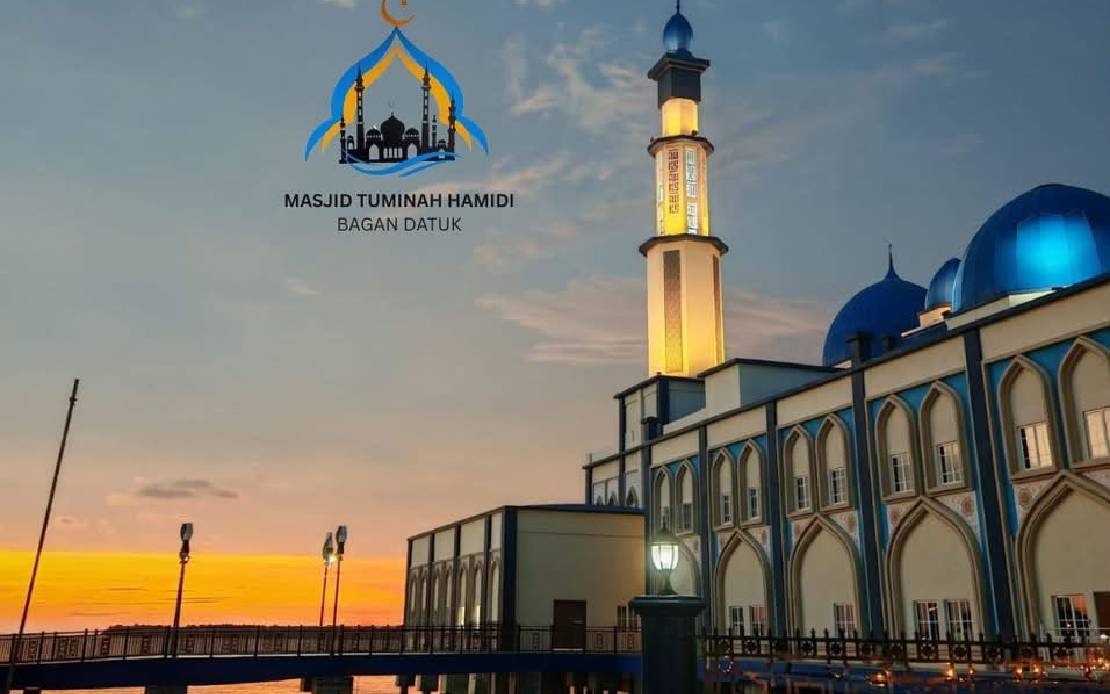
Malaysia is set to launch its first National Mosque Open Day at the Tuminah Hamidi Mosque in Bagan Datuk between August 13 and 15, marking a significant milestone in the country's efforts to position itself as a Muslim-friendly tourism destination. The inaugural three-day celebration, organised by the Islamic Tourism Centre (ITC) under the Ministry of Tourism, Arts and Culture, represents a deliberate shift in how Malaysia presents its Islamic cultural heritage to both domestic and international audiences. The initiative aims to broaden public perception of mosques, moving beyond their traditional function as places of worship to highlight their role as dynamic community gathering spaces where learning, connection and shared values flourish.
The opening day programme on August 13 will focus on spiritual enrichment and cultural appreciation, featuring a Qasidah performance by the Nur Ahli Badar group alongside religious talks by respected figures Ustaz Habib Ali Zaenal Abidin Alhamid and Ustaz Habib Najmuddin Othman Alkhered. These spiritual elements form the conceptual foundation of the event, establishing the mosque not merely as a venue but as a centre for meaningful dialogue and cultural exchange. By combining traditional Islamic performances with accessible religious teachings, organisers are crafting an experience that respects the spiritual dimension whilst simultaneously inviting non-Muslim participation and understanding. This approach reflects a broader national strategy to demystify Islamic spaces and foster interfaith appreciation among Malaysia's diverse population.
The festival's centrepiece unfolds on August 15 at Dataran Bagan Datuk, where a comprehensive array of activities caters to participants across age groups and interests. The day commences with a brisk walk led by actor Bell Ngasri, immediately establishing an inclusive, accessible tone that welcomes participants regardless of fitness level or background. Beyond this opening activity, the festival incorporates traditional recreational pursuits alongside contemporary entertainment offerings. A 3x3 street soccer tournament and e-sports competitions sit comfortably alongside more culturally specific activities such as khat demonstrations and azan competitions, reflecting Malaysia's capacity to bridge traditional and modern leisure pursuits. This juxtaposition is strategically important, as it signals that Islamic cultural spaces remain living, evolving environments rather than static heritage exhibits.
Personalised entertainment experiences form another significant component of the programme. Television personalities Aril Pilus and Elly Mazlein are scheduled to make appearances and contribute stage performances throughout the festival, lending mainstream media visibility to an event that might otherwise remain confined to niche audiences. Alongside these entertainment elements, the festival programme incorporates demonstrative and educational components including khat sessions, exhibitor presentations and cultural performances. Lucky draws and interactive engagement opportunities further incentivise attendance, transforming what could have been a purely informational event into an experiential celebration. For younger visitors, a dedicated colouring contest provides age-appropriate participation, ensuring families can spend extended periods exploring the mosque and its immediate surroundings without logistical constraints.
The event's accessibility framework deserves particular attention, as it addresses potential barriers to participation that might otherwise limit engagement. Admission is completely free, removing the most obvious financial obstacle to attendance. More significantly, organisers have explicitly welcomed visitors regardless of race, religion or nationality, articulating a genuine commitment to interfaith engagement and cross-cultural understanding. This universalist positioning is especially relevant for Malaysia, where religious sensitivity and communal harmony remain delicate considerations in the national discourse. By hosting an explicitly inclusive event at a mosque, authorities are making a tangible statement about Islam's inclusive dimension and Malaysia's commitment to cultural pluralism.
Deputy Prime Minister Datuk Seri Dr Ahmad Zahid Hamidi will officially launch the National Mosque Open Day 2026, lending senior governmental authority to the initiative. This high-level political endorsement signals that the event enjoys institutional backing and represents more than a grassroots tourism venture. The involvement of Malaysia's second-highest political office indicates that mosque-based tourism and interfaith cultural engagement have acquired strategic importance in the government's broader tourism and social cohesion agenda. Such political backing often translates into sustained funding, media promotion and institutional support necessary for transforming pilot initiatives into recurring annual events.
The Islamic Tourism Centre positions the National Mosque Open Day within its broader portfolio of monthly mosque visitation programmes conducted at various locations throughout Malaysia. These monthly events share the overarching objective of deepening understanding of Islamic cultural heritage, architectural traditions and contemporary Islamic practices. The Bagan Datuk iteration represents an upscaling of this established model, suggesting that successful monthly programmes have provided sufficient momentum and operational experience to justify launching a flagship national event. This incremental approach reduces organisational risk whilst leveraging accumulated expertise and community networks developed through consistent engagement.
Malaysia's positioning as a leading Muslim-friendly tourism destination provides crucial context for understanding this initiative's significance. The country already attracts significant numbers of Muslim tourists from regional and international origins, yet has historically emphasised beach resorts, shopping facilities and culinary experiences rather than Islamic cultural and heritage tourism. The National Mosque Open Day represents a deliberate attempt to diversify the Muslim tourism experience, appealing to visitors interested in understanding Malaysia's Islamic civilisation, architectural achievements and contemporary Muslim community life. This diversification strategy potentially attracts higher-value cultural tourists and extends stay duration beyond the typical beach-resort model.
For Malaysian readers, particularly those in Perak and surrounding states, the event offers an accessible opportunity to engage with Islamic cultural heritage in a family-friendly environment. The geographic location in Bagan Datuk makes the event reasonably accessible to residents of Ipoh and the surrounding Perak region, potentially generating localised tourism activity and community engagement. However, the three-day duration and comprehensive programming suggest organisers anticipate drawing participants from beyond the immediate locality, potentially generating interstate travel and associated hospitality sector activity.
The broader implications extend to how Malaysia manages interfaith relations and presents Islam to international audiences. By hosting a high-profile, media-covered event that explicitly welcomes non-Muslim participation within a sacred Islamic space, authorities are demonstrating confidence in Islam's capacity to accommodate diverse audiences whilst maintaining spiritual integrity. This approach stands in contrast to more exclusionary models of religious observance, potentially influencing how Malaysian Islam is perceived both domestically and internationally. For a nation navigating complex religious sensitivities and working to maintain communal harmony amid growing polarisation, such symbolic gestures carry disproportionate weight.
Further details about the programme can be accessed through the mymuslimtrip.com website and the Islamic Tourism Centre's social media platforms on Facebook and Instagram, providing multiple information channels for interested participants. This multi-channel approach acknowledges diverse audience preferences regarding information consumption whilst facilitating broader awareness among digital-native demographics. The willingness to maintain active social media engagement throughout the event period suggests organisers anticipate sustained interest and wish to maximise real-time engagement and documentation.

