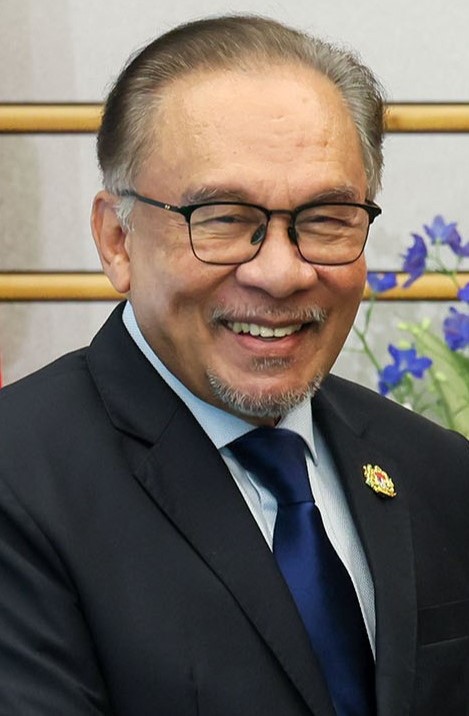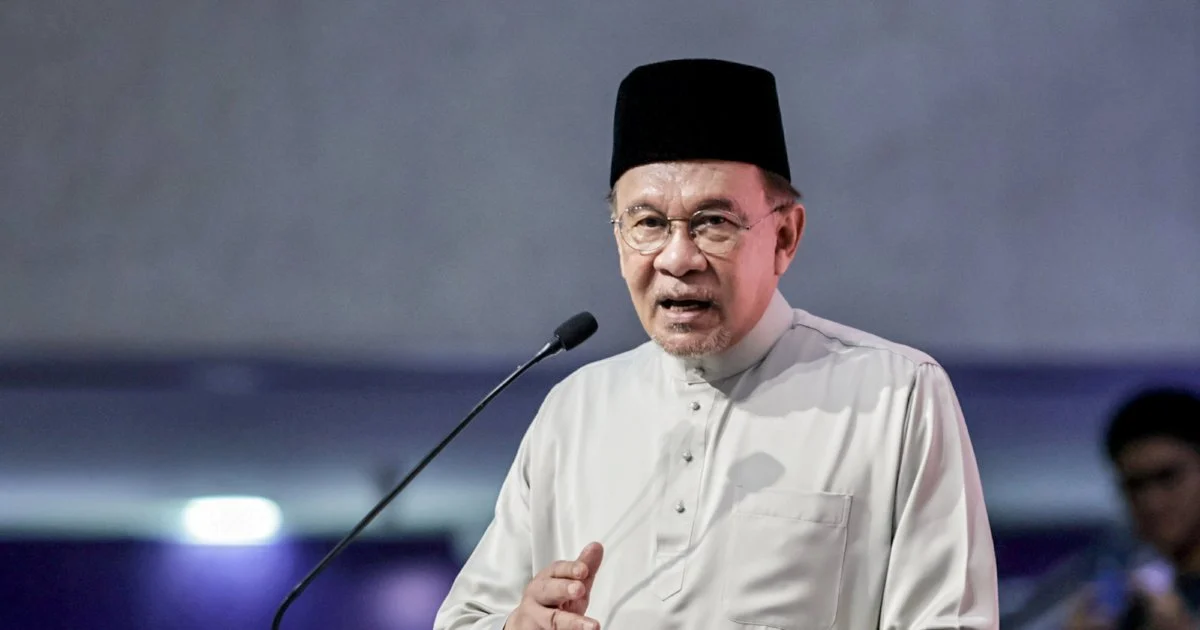
Prime Minister Datuk Seri Anwar Ibrahim was received by the Tunku Mahkota of Johor, Tunku Ismail Sultan Ibrahim, during an audience in Kuala Lumpur today, with both parties describing the engagement as notably cordial and constructive in nature. The meeting between Malaysia's head of government and the heir apparent to Johor's throne represents a significant moment of dialogue at the highest echelons of Malaysian leadership, reflecting the continued importance of maintaining strong institutional relationships across the country's traditional and executive structures.
The reception by Tunku Ismail Sultan Ibrahim underscores the Johor royal household's standing within Malaysia's constitutional framework. As the Tunku Mahkota, the heir to the Johor throne carries considerable influence within the state and participates in national affairs through various official capacities. His willingness to grant an audience to the sitting Prime Minister demonstrates the customary protocols and respect that govern interactions between Malaysia's monarchy and elected leadership, a relationship essential to the country's parliamentary democracy.
Anwar Ibrahim's visit to meet with the Tunku Mahkota occurs within a broader context of Malaysian domestic politics. The Prime Minister has consistently emphasised the importance of building consensus among all stakeholders in Malaysian governance, including royal institutions, opposition parties, and civil society. This particular meeting aligns with that approach, suggesting an administration keen on strengthening bonds with influential figures across different sectors of national leadership.
Johor's role in Malaysian politics extends beyond protocol considerations. As the southernmost peninsular state and home to significant economic activity, development projects, and a substantial population, Johor's royal establishment wields considerable practical influence. The state has been a focus of infrastructure development initiatives and regional economic planning, making dialogue between federal leadership and Johor's authorities of material importance to policy implementation and coordination.
Tunku Ismail Sultan Ibrahim has emerged in recent years as a notably active member of the Johor royal household, visible in state development discussions, charitable endeavours, and youth-oriented initiatives. His engagement with national leadership suggests that contemporary Malaysian royalty views dialogue with elected officials as a necessary component of effective governance. This approach represents an evolution in how royal institutions interact with democratically mandated government, moving beyond ceremonial functions toward substantive consultation.
The characterisation of the meeting as harmonious carries particular weight in Malaysian political discourse. Harmony between governmental institutions serves as a barometer for stability and effective administration. When such meetings are publicly described in positive terms, they signal to domestic and international observers that Malaysia's complex institutional arrangements are functioning collaboratively rather than confrontationally, an important consideration for investor confidence and social cohesion.
The Prime Minister's initiative to meet with the Tunku Mahkota reflects a strategic acknowledgment that successful governance in Malaysia requires coordination across multiple power centres. While the Prime Minister holds executive authority, the constitutional monarchy maintains significant symbolic and practical importance. Regular engagement between these institutions helps ensure that policies affecting Johor and broader national interests proceed with the consensus necessary for implementation and public acceptance.
For Malaysian readers and observers, such meetings remind us of the intricate balance our system requires between elected officials and constitutional institutions. Unlike purely parliamentary systems without monarchies, Malaysia's governance structure demands ongoing dialogue and mutual respect between these complementary but distinct power sources. The Tunku Mahkota's reception of the Prime Minister exemplifies this requirement in practice.
Looking forward, this audience may serve as a foundation for sustained cooperation on matters of mutual concern between the federal government and Johor's administration. Development projects, security matters, inter-state coordination, and economic initiatives frequently require alignment between federal and state levels. The cordial nature of this meeting suggests that such collaboration is likely to proceed with constructive engagement rather than bureaucratic friction.
The broader significance of this engagement extends to how Malaysia positions itself as a nation where traditional and modern institutions work together. In an era when many democracies experience tension between different branches and levels of government, Malaysia's ability to maintain harmonious relationships between elected leadership and constitutional monarchy demonstrates institutional maturity. This balance, while sometimes complex and requiring constant nurturing through meetings such as today's audience, remains central to the country's stability and distinctive constitutional arrangement.