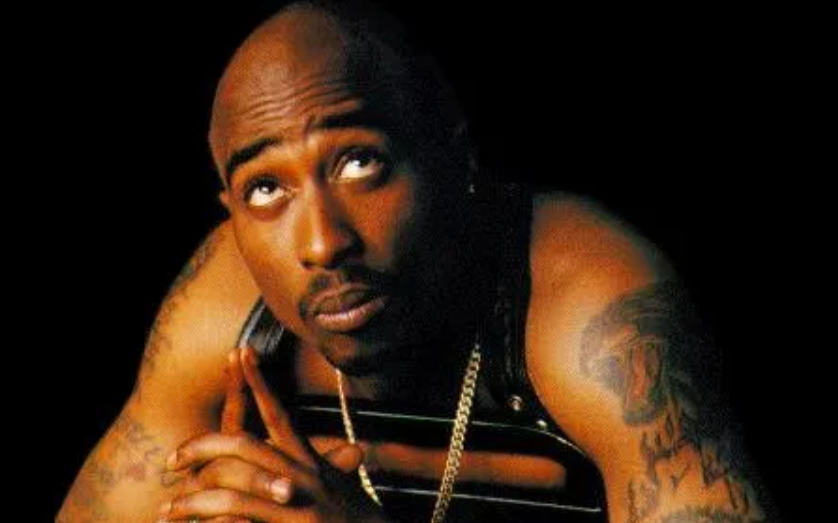
Three decades after one of America's most celebrated cold cases, a trial finally commenced on Monday to determine responsibility for the shooting death of rapper Tupac Shakur. The case, which has captivated music fans and true crime enthusiasts worldwide, involves Duane "Keffe D" Davis, a 63-year-old former leader of the South Side Compton Crips gang, who prosecutors allege orchestrated the September 7, 1996 drive-by shooting in Las Vegas. The trial is expected to span approximately one month, with jury selection beginning this week.
Speaking from prison in March 2025, Davis maintained his innocence in an ABC News interview, claiming he was not even in Las Vegas on the night Shakur died and asserting prosecutors lack meaningful evidence connecting him to the crime. He further distanced himself from revelations in his own 2019 memoir, arguing that his co-author had exaggerated details for commercial purposes. These contradictory positions highlight the central challenge facing the court: Davis previously acknowledged being present at the shooting and handing a firearm to individuals in the back seat, yet now denies any involvement whatsoever. If convicted, Davis faces a life sentence without the possibility of parole.
The Shakur homicide became emblematic of hip-hop's East Coast-West Coast divide during the mid-1990s, a destructive rivalry that claimed multiple high-profile victims. Shakur, who performed under the alias 2Pac, was a towering artistic figure who died at just 25 years old. His shooting occurred while he attended a Mike Tyson boxing match at the MGM Grand casino in Las Vegas, positioning the killing at the intersection of entertainment, street violence, and organized gang conflict. The case's prominence stems not merely from Shakur's celebrity status but from the broader cultural significance of hip-hop during an era when the genre faced intense scrutiny and censorship.
The rivalry pitted Death Row Records, founded by Marion "Suge" Knight, against Bad Boy Records, helmed by Sean "Diddy" Combs and featuring Christopher "The Notorious B.I.G." Wallace. According to prosecutors, Death Row maintained protection through Mob Piru, a Los Angeles gang affiliated with the Bloods alliance, while Bad Boy had enlisted the South Side Compton Crips, Davis's organization, as bodyguards. This structural arrangement placed Davis and his crew directly at the intersection of competing commercial interests and gang dynamics, creating conditions for violent conflict.
The evening preceding Shakur's murder involved a physical altercation at the MGM Grand between Knight, Shakur, and Davis's nephew, Orlando "Baby Lane" Anderson. Prosecutors contend this beating occurred in retaliation for an earlier alleged assault on a Death Row Records employee. The confrontation would subsequently provide the motive Davis allegedly acted upon that same night, according to the state's narrative. The timeline compressed these events into a single evening of escalating tension, moving from a high-profile boxing event to a fatal street shooting within hours.
Prosecutors will argue that Davis bore direct responsibility for coordinating the attack that followed. According to their version of events, a white Cadillac containing Davis, Anderson, and others pulled alongside Shakur's vehicle in Las Vegas, at which point gunfire erupted from the Cadillac, fatally wounding the rapper. Davis's own memoir accounts corroborated several elements of this narrative, specifically his presence in the vehicle and his action of passing a pistol backward to other occupants. However, Davis has steadfastly refused to identify who actually discharged the weapon, and all other individuals present in the vehicle have since died, eliminating potential witnesses who might clarify these crucial details.
The investigation remained dormant for years due to insufficient physical evidence and witness reluctance to cooperate with authorities. However, Davis's decision to publish a memoir in 2019 that contained incriminating details essentially reopened the cold case. His earlier statements to reporters, combined with his book revelations, created a sufficient evidentiary foundation for law enforcement to pursue charges nearly three decades after the shooting. Davis was arrested in September 2023, transforming what many considered a permanently unsolved case into active litigation.
Davis's current defence strategy relies on a complete repudiation of his prior admissions. He claims his co-author manufactured or amplified details to boost commercial viability, a position fundamentally at odds with his previous informal acknowledgments to journalists. His assertion that he cannot even be placed in Las Vegas on the relevant date contradicts not only his memoir but his own earlier police interview from 2008, when he spoke to investigators in the capacity of a witness. Davis's lawyers attempted unsuccessfully to suppress both the memoir and the 2008 police interview from trial evidence, suggesting they recognize these statements as potentially devastating to the defence.
The case carries significant implications for how American justice systems address cold cases that rely heavily on delayed admissions and circumstantial evidence rather than forensic material. Unlike modern criminal investigations that often benefit from extensive surveillance footage, cellular data, and DNA analysis, the Shakur investigation relies predominantly on witness testimony and statements made decades after the alleged crime. This evidentiary landscape creates inherent challenges for prosecution while potentially benefiting the defence, which can highlight the degradation of memory and reliability of statements made so long after events occurred.
Even if conviction or acquittal is reached, the outcome seems unlikely to provide closure to those closest to Shakur. In May, the rapper's stepbrother Maurice Shakur initiated a civil wrongful death lawsuit, arguing that multiple individuals involved in the murder remain unaccountable despite three decades having passed. This dual-track approach through criminal and civil courts reflects frustration with the investigation's trajectory and suggests that questions surrounding Shakur's death may persist regardless of Monday's trial outcome.
For Malaysian and Southeast Asian observers, the Shakur case offers broader lessons about how crime, celebrity, and commercial rivalry intersect in deeply polarized communities. The East Coast-West Coast hip-hop feud functioned similarly to territorial gang violence occurring in many Asia-Pacific cities, where commercial competition between entertainment or business interests becomes intertwined with street-level criminal activity. The decades-long delay in prosecution also mirrors challenges faced by law enforcement agencies in the region when investigating organized crime with cross-border dimensions or involving multiple gang affiliations. The trial's proceedings will likely generate renewed international interest in both hip-hop history and criminal justice methodology.

