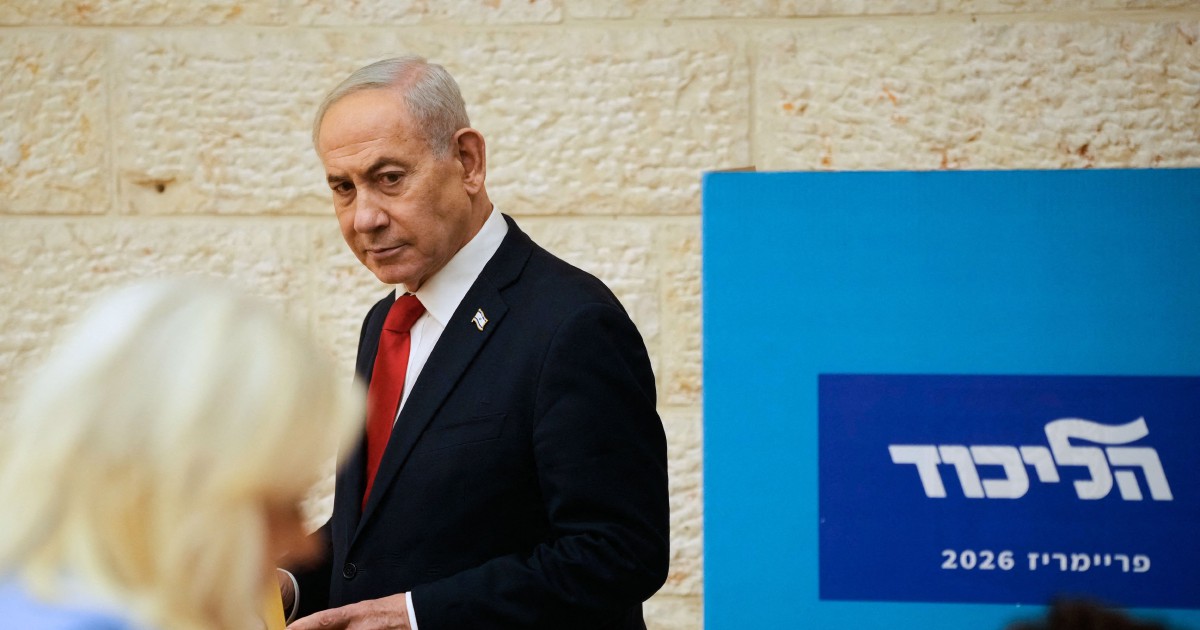
Turkey's Justice Ministry announced Friday that it has initiated international arrest procedures against Israeli Prime Minister Benjamin Netanyahu in connection with the country's interception of a humanitarian aid convoy destined for Gaza. Justice Minister Akin Gurlek made the announcement via social media, signaling Ankara's determination to pursue accountability through diplomatic and legal channels for what Turkish authorities characterize as a violation of international humanitarian principles.
The warrant stems from an investigation launched by Turkish authorities examining the circumstances surrounding Israel's seizure of the aid shipment. The incident represents one of several flashpoints in the fraught relationship between Turkey and Israel, nations that share regional strategic interests but have found themselves increasingly at odds over policies affecting the Middle East. The flotilla interception has become emblematic of Turkey's concerns about Israel's blockade of Gaza and the humanitarian consequences for Palestinian civilians trapped within the territory.
Turkey's move to issue an international arrest warrant carries symbolic and legal weight, even though the practical likelihood of Netanyahu's arrest remains limited. The warrant would theoretically obligate cooperating countries to detain Netanyahu if he travels to their territories, potentially affecting his movement outside Israel. However, the effectiveness of such measures depends heavily on international cooperation and the political willingness of allied nations to act upon Turkish requests, particularly given the strong diplomatic and military ties between Israel and numerous Western countries.
This action reflects Turkey's broader shift toward more assertive positions on Palestinian issues under President Recep Tayyip Erdoğan. Turkey, which maintains complex relations with both Israel and Arab nations, has positioned itself as a vocal defender of Palestinian rights while attempting to maintain certain diplomatic and economic ties with Israel. The arrest warrant decision demonstrates Ankara's commitment to using legal mechanisms to express its opposition to Israeli policies, even while full normalization of Turkish-Israeli relations remains incomplete following earlier disputes.
The announcement carries implications for regional stability and for Turkey's standing within international legal frameworks. By leveraging international arrest procedures, Turkey signals to its domestic constituency—where sentiment strongly favors Palestinian causes—that it is taking concrete action. Simultaneously, the move tests the boundaries of Turkey's relations with Western allies who maintain close partnerships with Israel and may be reluctant to enforce warrants that could complicate bilateral relations with Tel Aviv.
For Malaysia and other Southeast Asian nations, Turkey's action illustrates how Middle East conflicts continue to generate legal and diplomatic reverberations across the international system. Although geographically distant, Malaysia shares Turkey's concerns regarding humanitarian access and Palestinian rights, and the arrest warrant framework provides a legal precedent that other nations might consider employing. This development reinforces how global governance mechanisms increasingly become vehicles for expressing political disagreements over regional conflicts.
The investigation underlying the warrant focuses specifically on the flotilla interception, an incident that Turkish officials view as disproportionate and unjustified. Turkish authorities have examined evidence and witness accounts regarding the seizure, determining that sufficient grounds exist to pursue formal legal action through international channels. The investigation process itself demonstrates Turkey's effort to build a documentary and evidentiary foundation for its claims, moving beyond rhetorical denunciations to legal proceedings.
Israel's government has not yet issued a formal response to Turkey's announcement, though Israeli officials have historically characterized Turkish criticisms as disproportionate and politically motivated. The Netanyahu administration maintains that its security measures, including the blockade and cargo inspections, are necessary for national defense and preventing weapons smuggling into Gaza. This fundamental disagreement over security justifications versus humanitarian obligations remains at the core of Turkish-Israeli tensions.
The warrant announcement occurs within a broader context of shifting Middle East geopolitics, where traditional alliances face strain and new alignments emerge. Turkey's independent action demonstrates its willingness to pursue positions that may diverge from NATO partners' preferences, reflecting Ankara's attempt to maintain autonomy in foreign policy while sustaining crucial international relationships. The arrest warrant represents a calculated diplomatic move that satisfies domestic constituencies without necessarily expecting immediate enforcement.
For international law and diplomacy, Turkey's step highlights the growing use of criminal accountability mechanisms as tools of foreign policy expression. While national governments have longstanding prerogatives to issue arrest warrants, their invocation in high-profile political contexts raises questions about the instrumentalization of legal processes for diplomatic purposes. The warrant's effectiveness ultimately depends on whether other nations treat it as a serious legal obligation or as a political gesture to be quietly disregarded.
The timing and announcement method—via social media by the Justice Minister—also warrant attention. This approach maximizes publicity while maintaining official channels and reflects contemporary diplomatic practices where key announcements often reach international audiences through digital platforms before formal diplomatic notifications. The strategy ensures widespread coverage and demonstrates transparency to Turkish domestic audiences regarding government action on a politically sensitive issue.
Looking forward, this development may influence Turkey's participation in international forums and its approach to other Middle East disputes. It establishes a precedent for Turkish judicial action against foreign leaders, potentially affecting how other nations view engaging with Turkish officials if reciprocal legal action becomes normalized. The warrant decision ultimately reflects broader tensions in international law regarding sovereignty, universal jurisdiction, and the legitimate use of legal mechanisms in interstate disputes over contested territories and humanitarian access.

