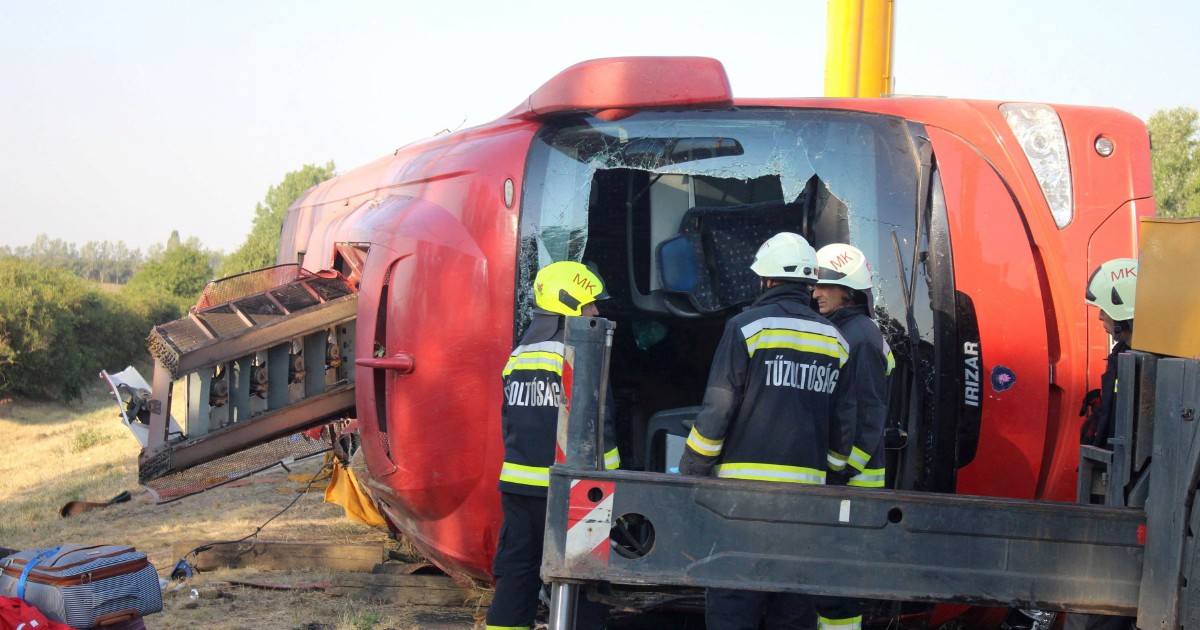
A Polish-registered coach bus came to grief on a Hungarian motorway in the early hours of Sunday morning, resulting in one of the deadliest road accidents in the region this year. The vehicle overturned on the highway, leaving twelve people dead at the scene or shortly thereafter and a further ten passengers sustaining serious injuries that required urgent medical attention. Hungarian Prime Minister Peter Magyar and other senior government officials confirmed the tragic casualty figures and launched an immediate investigation into the circumstances surrounding the collision.
The accident took place during the early morning hours when most road traffic typically consists of long-distance coaches connecting major European cities. The Polish bus was evidently en route when the incident occurred, though the exact cause of the overturn remained under investigation. Emergency services responded rapidly to the scene, deploying ambulances, fire services, and rescue personnel to deal with what quickly became a major mass casualty incident. The scale of the tragedy overwhelmed immediate local medical resources, prompting authorities to mobilise additional hospital capacity across the region.
Hungarian authorities immediately established a disaster response protocol, coordinating between national emergency services, highway police, and medical facilities. The investigation into what caused the large coach to lose control and overturn became a priority for road safety officials, who typically examine factors including driver fatigue, mechanical failure, adverse weather conditions, and highway surface conditions. Early reports suggested the accident occurred during dry conditions, but investigators were examining all potential contributing factors to prevent similar incidents in future.
The tragedy highlights the inherent risks associated with long-distance coach travel across Central Europe, where such vehicles regularly traverse international highways carrying passengers between major cities. While coach travel remains statistically one of the safest forms of long-distance transport, accidents of this magnitude capture public attention and trigger intense scrutiny of operator safety practices, vehicle maintenance standards, and driver qualification requirements. For Southeast Asian readers with experience of regional coach travel, the incident underscores how safety outcomes can vary significantly even within developed European transport networks.
Polish coach operators serve extensive networks across Eastern and Central Europe, transporting millions of passengers annually on both domestic and international routes. The affected vehicle represented one of many Polish-registered buses that operate throughout Hungary and across the Schengen area, facilitating affordable long-distance travel. The accident will likely prompt discussions within the Polish transport industry about enhanced safety measures and compliance protocols, particularly regarding driver rest requirements and vehicle inspection frequencies.
Hungarian authorities and the European Union transport safety bodies will conduct thorough investigations to determine whether systemic issues contributed to the overturn. Such investigations typically examine driver training records, company safety protocols, vehicle maintenance documentation, and the coach operator's compliance history with EU transport regulations. The findings will inform safety recommendations that may influence transport policy across Central Europe and potentially influence similar discussions within Southeast Asian regulatory frameworks.
The psychological impact on surviving passengers will be substantial, with many requiring not only physical medical treatment but also trauma counselling following the horrific experience. Families of the deceased faced the devastating process of identification and repatriation of remains, complicated by the international nature of the incident. Hungarian authorities established support services and coordinated with Polish consular officials to facilitate communication with bereaved families.
This accident joins a series of significant coach transport incidents across Europe in recent years, prompting ongoing debates about whether enhanced regulations could prevent such tragedies. The European Union has implemented various safety directives for coach operators, yet individual accidents continue to raise questions about enforcement consistency and whether existing standards adequately protect passenger safety. For Malaysia, which has growing coach transport industries serving regional connections, the incident provides relevant case study material for transport policymakers evaluating safety standards and regulatory compliance mechanisms.
Hungarian highway infrastructure generally meets European standards, and the accident did not appear to stem from inadequate road conditions or markings. Instead, the focus of investigations centred on the vehicle itself and operator performance factors. The Hungarian government indicated it would cooperate fully with Polish authorities in establishing the precise sequence of events leading to the overturn, recognising the importance of transparent investigation processes for maintaining public confidence in cross-border transport safety.
The incident will inevitably influence passenger behaviour and perceptions of coach travel safety across Central Europe, potentially affecting bookings for Polish operators and other coach companies in the region. Insurance companies and transport authorities will review their risk assessment protocols, and operators may face increased pressure to demonstrate compliance with safety standards. For the broader Southeast Asian transport sector, the European experience offers cautionary lessons about the consequences of any lapse in safety vigilance across large passenger transport operations.

