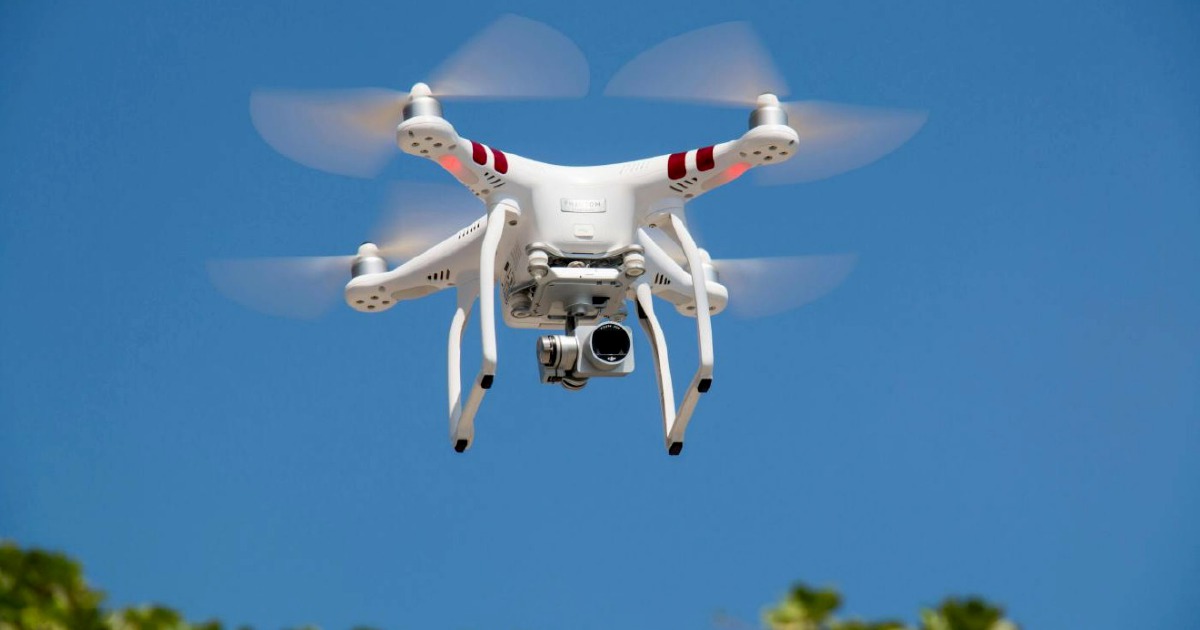
Authorities in Melaka have made two arrests following the discovery of an ingenious but ultimately unsuccessful bid to deliver contraband tobacco into one of the state's major detention facilities using modern drone technology. The arrests came after police conducted an enforcement raid at a residential property in Taman Kris Satria, located within the Sungai Udang area, during an operation executed on Wednesday. This incident highlights the evolving methods employed by smugglers attempting to circumvent security measures at correctional institutions across the country.
The use of unmanned aerial vehicles for smuggling operations represents a significant challenge for prison authorities nationwide. Unlike conventional contraband routes that require human couriers or collaborative staff members, drone deliveries present detection difficulties due to their small size, silent operation capability, and ability to access high points within prison compounds. The incident at Sungai Udang underscores that Malaysian correctional facilities increasingly face threats from technologically-enabled smuggling schemes, forcing administrators to develop counter-measures and heighten vigilance.
The tobacco products involved in this attempted delivery carry particular significance within prison contexts. Restricted items such as cigarettes and related tobacco products command premium prices within incarcerated populations, creating lucrative market opportunities for external suppliers willing to take risks. Inmates utilise such commodities as currency for trading, bargaining, and maintaining social hierarchies within detention environments. The financial incentives driving such smuggling operations remain substantial, prompting repeated attempts despite security precautions.
Sungai Udang Prison, situated in Melaka, functions as a significant detention centre serving the southern region. The facility houses inmates convicted of various offences and operates within a complex security framework designed to prevent contraband entry and monitor prisoner conduct. Prison authorities continuously adapt protocols to address emerging threats, but smuggling attempts persist as a persistent operational challenge. The deployment of drone technology represents an escalation in sophistication that demands corresponding upgrades in counter-measures and detection systems.
The raid on the residential location in Taman Kris Satria revealed evidence linking the residents to the smuggling conspiracy. Police investigations typically examine communication records, financial transactions, and physical evidence to establish connections between external smugglers and potential recipients within the prison system. Such operations frequently involve coordination with individuals inside the facility who facilitate receipt and distribution of contraband materials. Building comprehensive cases against smuggling networks requires multi-faceted investigative approaches addressing both external suppliers and internal facilitators.
The legal implications for those involved in prison contraband smuggling extend beyond simple possession offences. Malaysia's regulations addressing prison security breaches, smuggling facilitation, and conspiracy carry substantial penalties reflecting the seriousness with which authorities treat actions compromising correctional facility operations. Convictions can result in imprisonment terms extending beyond those of the original underlying offences. Such legal consequences serve as deterrents, though the financial rewards available to successful smugglers occasionally overcome these considerations.
This case reflects broader patterns of prison security challenges experienced across Southeast Asia. Correctional authorities throughout the region grapple with contraband infiltration, requiring ongoing investment in detection technology, staff training, and perimeter security enhancements. International cooperation and intelligence-sharing among prison services help identify emerging smuggling trends and counter-measures before they proliferate. Malaysia's experience contributes to regional understanding of evolving smuggling methodologies and effective preventative responses.
The technological dimension of this incident raises questions about how rapidly correctional security infrastructure can evolve to match innovations employed by smuggling networks. Traditional barriers such as walls and fencing prove insufficient against airborne delivery methods. Authorities must now consider aerial defence capabilities, detection sensors, and response protocols addressing drone incursions. Investment in such measures requires substantial budgetary commitments and coordination between multiple agencies responsible for correctional security.
Investigations into the Sungai Udang incident will likely examine whether the smuggling attempt represented an isolated episode or part of a sustained operation. Evidence gathered during the Taman Kris Satria raid, combined with further questioning of the detainees and prison intelligence, should establish the scope and duration of any smuggling network. Determining whether internal prison staff participated in the conspiracy remains a critical investigative priority, as such involvement significantly complicates detention facility management and requires internal security reviews.
The incident also demonstrates the importance of community vigilance and reporting suspicious activities to authorities. Organised smuggling operations typically generate observable indicators including unusual deliveries, unfamiliar vehicles, and suspicious individuals conducting reconnaissance around prison perimeters. Public awareness campaigns encouraging reporting of such activities strengthen the overall security apparatus protecting correctional facilities. The successful identification and arrest in this case likely depended upon information gathering and responsive police action addressing reported concerns.
Moving forward, the Sungai Udang Prison incident will probably prompt comprehensive security reviews among other detention facilities across Melaka and nationally. Correctional administrators will assess their current defences against aerial delivery methods and implement technological upgrades where feasible. Training programmes for guards will likely incorporate elements addressing drone incursion responses and contraband detection. Such systemic improvements represent standard responses to emerging security threats within the correctional environment.
The broader implications for Malaysia's criminal justice system extend beyond immediate prison security concerns. Successful contraband smuggling networks undermine rehabilitation efforts, complicate prisoner management, and potentially facilitate coordination among incarcerated individuals engaged in organised criminal activity. Maintaining secure, well-controlled correctional environments remains essential for effective sentence execution and community protection. Incidents such as the Sungai Udang case reinforce the necessity of sustained investment in facility security infrastructure and personnel resources.

