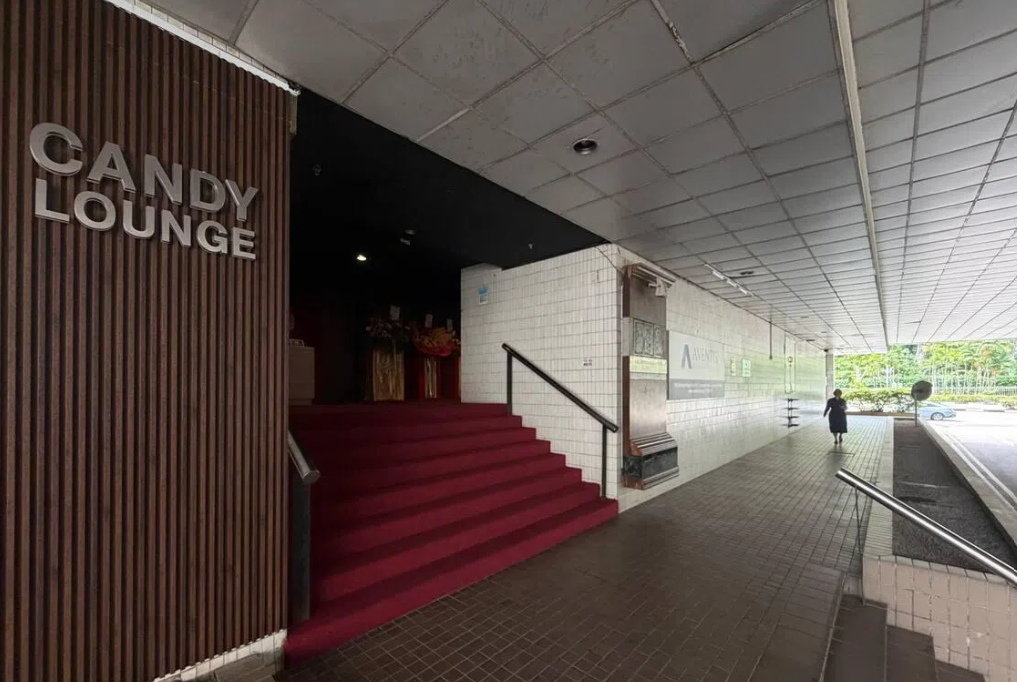
A predawn clash outside a nightclub in Singapore's prime Orchard Road district has resulted in two arrests and sent four men to hospital, underscoring persistent concerns about street violence in the country's entertainment precinct. Police and the Singapore Civil Defence Force responded to an emergency call at approximately 3am on Thursday near the junction of Orchard Road and Buyong Road, where they discovered the aftermath of what authorities describe as a serious altercation.
At the scene, officers found four injured men, all aged 38, with varying degrees of injury severity. Three of the men sustained lacerations while a fourth sustained minor injuries. All were conscious when transported to Tan Tock Seng Hospital for treatment. The rapid police response prevented further escalation, though follow-up investigations soon identified two additional individuals requiring medical attention.
Authorities subsequently arrested two men, aged 25 and 27, on suspicion of voluntarily causing hurt through dangerous means. The 27-year-old was also taken to hospital while conscious, bringing the total number of people requiring medical care to five. Police recovered a knife from the scene, a recovery that underscores the weapons-based nature of the violence. The investigation remains active as officers piece together the precise sequence of events.
According to Chinese-language reporting, the incident stemmed from a confrontation between two distinct groups who were patrons of the Candy Lounge nightclub located at that junction. The clash escalated to the point where at least one individual sustained a stab wound to the neck, a particularly serious injury that raises questions about the speed and ferocity of the violence. The Candy Lounge operates from 10pm to 3am on regular evenings, with extended hours until 4am on Saturdays and public holidays, meaning the incident occurred during its final operating hour.
By mid-morning, when media personnel arrived at the scene around 9.20am, all traces of the emergency response had cleared. Traffic flowed normally through the junction, and the incident left no visible marks on the bustling commercial district. Local business owners in the nearby Orchard Plaza shopping centre, including proprietors of a money changer and mini-mart, reported having no awareness that violence had erupted mere metres from their establishments. None indicated receiving notification from venue or area security, suggesting the incident's emergency response was efficiently managed but perhaps communicated poorly to nearby stakeholders.
The Orchard Road precinct, while Malaysia's tourists and neighbouring regional visitors frequent it regularly, has grappled with periodic security challenges despite its prominence as a shopping and entertainment hub. The incident highlights how violence can erupt even in high-traffic, closely-monitored commercial zones. For Malaysian travellers, business professionals, and expatriates who frequent Singapore's entertainment and shopping districts, such incidents serve as a reminder of situational awareness, particularly during late-night outings.
The timing of this incident occurs against a backdrop of rising violence involving knives in Singapore. Official statistics reveal that 75 knife-related incidents were reported during the first half of 2025, representing a concerning 27 percent increase compared to the 59 incidents recorded during the same period in 2024. This upward trajectory has prompted law enforcement to intensify focus on weapons-based offences and late-night venue safety protocols. The trend suggests that isolated incidents like the Orchard Road brawl are part of a wider pattern rather than anomalies.
The arrest of two individuals indicates that Singapore's police force maintains capacity to respond swiftly to violent crime, though the rising incident numbers suggest that prevention mechanisms may require strengthening. Nightlife venues in high-density entertainment districts face increasing pressure to enhance security measures, manage patron behaviour, and coordinate with authorities on incident reporting. The apparent lack of communication between the Candy Lounge and surrounding businesses about the incident may also prompt discussions about information-sharing protocols within commercial precincts.
For Malaysia and regional stakeholders monitoring Singapore's social conditions, the incident serves as a data point in understanding the broader security landscape of Southeast Asia's most developed economy. While Singapore's overall crime rates remain comparatively low by regional standards, the uptick in violent offences—particularly those involving weapons—warrants attention from policymakers concerned with public safety. Regional economies increasingly share migration, tourism, and business flows, meaning security conditions in one country directly affect nationals and business interests in neighbouring countries.
The police investigation remains ongoing, with authorities pursuing additional lines of inquiry to establish the full circumstances behind the clash. Questions persist regarding what triggered the initial confrontation between the two groups, whether previous animosity existed between them, and whether alcohol consumption played a role in escalating the situation. The Straits Times has requested additional information from the Candy Lounge, though response details remain pending. As investigations progress, authorities may provide further clarity on whether the incident represents gang-related activity, personal feuds, or random escalation among intoxicated patrons.

