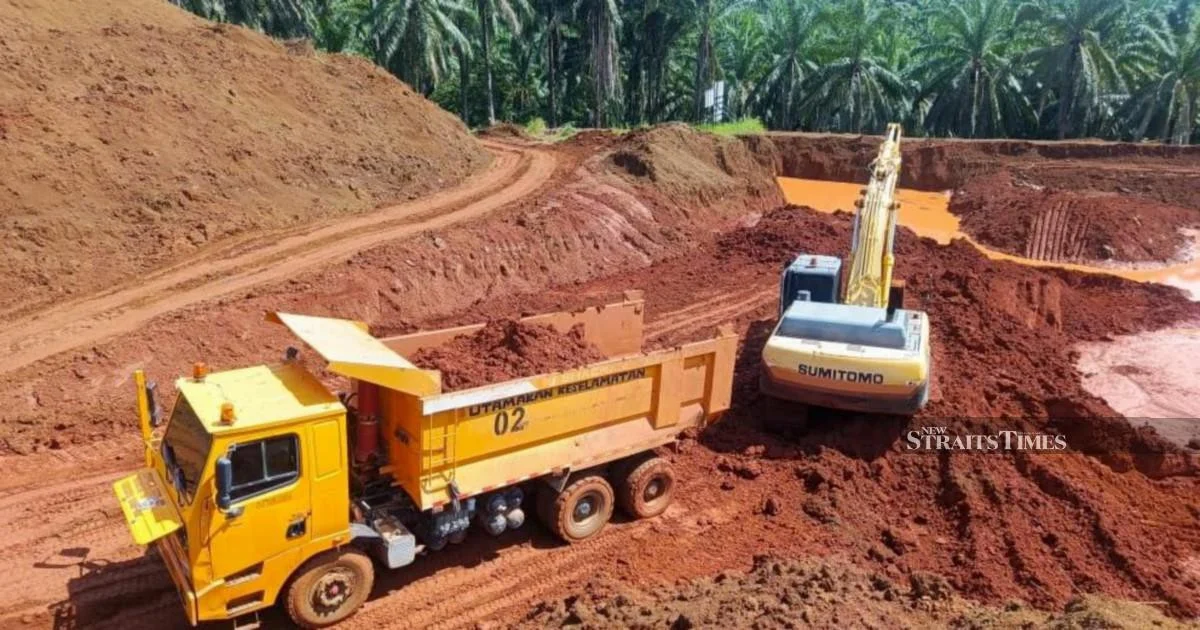
A significant crackdown on illegal sand mining operations in Terengganu has resulted in the detention of two men suspected of involvement in the unlawful extraction and transfer of silica sand. The arrests, which took place in Marang yesterday, mark another step in the authorities' intensifying campaign against resource theft along Malaysia's east coast, where valuable minerals continue to be extracted without proper permits or environmental oversight.
The enforcement teams, operating under strict investigative protocols, successfully identified and apprehended the two suspects as part of a broader operation targeting the underground silica sand trade. During the raid, officers seized machinery and equipment valued at RM1.8 million, indicating the substantial scale of the illegal operation and the considerable financial stakes involved in unregulated sand extraction ventures. The confiscated assets provide insight into how sophisticated these smuggling networks have become, relying on industrial-grade equipment to increase extraction capacity and profit margins.
Silica sand has emerged as a highly coveted resource across Southeast Asia, driving demand for both legitimate industrial applications and illicit extraction. The material serves critical functions in glass manufacturing, construction, and semiconductor production, making it valuable to both domestic and international markets. Malaysia's abundant sand deposits, particularly in coastal states like Terengganu, Kedah, and Johor, have made the country an attractive target for illegal miners seeking to exploit these reserves without adhering to environmental permits, taxation requirements, or sustainability standards.
The illegal sand mining trade represents a multifaceted threat to Malaysia's environmental and economic interests. Unregulated extraction destabilises riverbanks and coastal ecosystems, accelerates erosion, damages aquatic habitats, and undermines long-term agricultural productivity. Communities in affected regions face increased flooding risks and compromised water quality, while the government loses significant tax revenue from resources extracted without authorisation. Beyond domestic concerns, the illicit trade fuels broader regional problems, including corruption among enforcement officers and the strengthening of criminal networks that diversify into other smuggling activities.
Terengganu has become a focal point for such enforcement efforts, given its geographic advantages and established infrastructure for resource extraction and export. The state's strategic location and developed port facilities make it an ideal hub for channelling extracted materials into regional supply chains, whether destined for Singapore's processing facilities or international markets. Previous operations in the region have uncovered similar schemes involving coordination between extractors, transporters, and buyers operating across state and national boundaries, suggesting a need for more comprehensive interstate cooperation.
The RM1.8 million asset seizure reflects the machinery-intensive nature of modern illegal mining operations. Industrial excavators, dredges, trucks, and processing equipment represent substantial capital investments, signalling that these ventures are typically run by well-organised syndicates rather than isolated individuals. The recovery of such assets disrupts the operational capacity of these networks and imposes immediate financial losses that may deter future attempts, though the high profits available in the illicit sand trade often motivate quick reinvestment in replacement equipment.
Authorities have increasingly recognised that addressing sand smuggling requires sustained enforcement combined with improved regulatory frameworks. Permit systems, monitoring mechanisms, and penalties must be sufficiently stringent to outweigh potential profits from illegal extraction. Additionally, intelligence sharing between maritime authorities, land-based enforcement agencies, and customs bodies is essential to intercept contraband at ports and prevent cross-border transfers. The involvement of multiple agencies in yesterday's operation suggests recognition of this integrated approach.
For Malaysian businesses operating in legitimate sand industries, escalating enforcement against illicit competitors creates both opportunities and challenges. Legitimate operators benefit from reduced unfair competition, yet may face scrutiny to ensure their own compliance with environmental and licensing requirements. The government's commitment to tackling smuggling offers these businesses a level playing field, provided regulatory frameworks remain transparent and consistently applied. This balance between competitive fairness and reasonable compliance costs is crucial for maintaining investor confidence in Malaysia's natural resource sectors.
The broader context of regional sand smuggling underscores Malaysia's vulnerability to transnational criminal activity. Neighbouring countries, particularly Indonesia, have experienced vastly larger-scale illegal mining operations, occasionally involving state-adjacent corruption and violence. While Malaysia's regulatory capacity remains comparatively strong, the precedents set in the region illustrate the dangers of allowing mining networks to expand unchecked. The arrested individuals and seized equipment may represent only a portion of the broader smuggling infrastructure, necessitating continued investigation to identify supply chain partners, buyers, and financing sources.
Investigators will likely examine financial records, communication logs, and transport routes to determine the full scope of the suspected operation and identify additional individuals involved in the smuggling network. Such investigations often reveal connections to other illicit activities, from wildlife trafficking to drug smuggling, as criminal organisations typically diversify their portfolios. The intelligence gathered from this case will inform broader enforcement strategies and help authorities anticipate future patterns of illegal resource extraction.
Moving forward, the arrested individuals face charges under relevant legislation governing unauthorised mining and smuggling. Their prosecution will serve as a deterrent to others contemplating similar ventures, while signalling to regional criminal networks that Malaysia maintains active enforcement capacity. Simultaneously, the government should consider whether existing legal penalties adequately reflect the environmental and economic costs of sand smuggling, particularly given the sophistication of modern operations and the scale of equipment required.
This enforcement action reflects the Malaysia's determination to protect its natural resources and maintain environmental integrity despite the economic temptations of the illicit trade. The success of yesterday's operation, measured in arrests and asset recovery, provides tangible progress in an ongoing struggle against resource smuggling. However, sustained vigilance, intelligence-led enforcement, and regional cooperation will remain essential to preventing such operations from taking root and expanding in Malaysian waters and territories.

