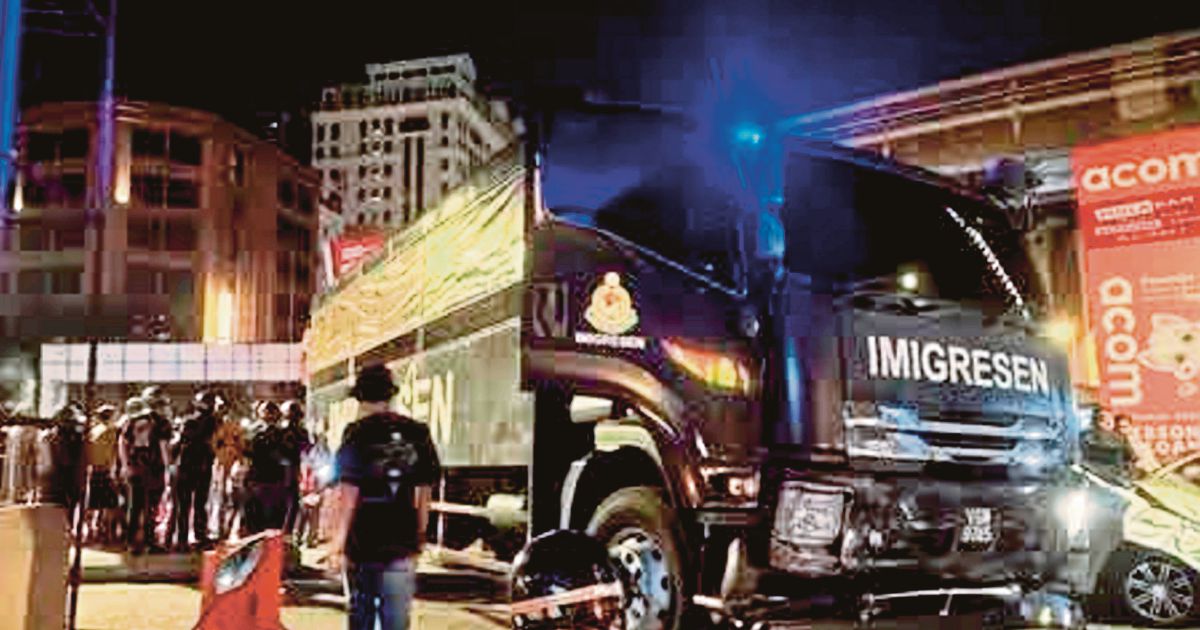
Authorities in Kuala Lumpur have moved swiftly to detain both drivers involved in a devastating road accident that claimed three lives, including two children, in the early hours of today. The collision, which occurred along Jalan Sultan Ismail in the heart of the capital, has triggered an ongoing police investigation into the circumstances that led to the tragedy.
The lorry operated by the Immigration Department collided with another vehicle in an incident that highlights the persistent dangers faced by commuters on busy Kuala Lumpur thoroughfares. The three fatalities comprised a father and his two daughters, raising fresh concerns about road safety along one of the city's major arterial routes. Such incidents, particularly those resulting in multiple deaths within a single vehicle, typically prompt comprehensive reviews of contributing factors.
The decision to remand both drivers signals that investigators believe sufficient grounds exist to warrant extended detention for questioning purposes. Remand orders, typically spanning several days, allow authorities to establish a detailed chronology of events, gather further evidence, and rule out various theories regarding causation. This procedural step is standard in fatal traffic incidents where preliminary investigations suggest potential traffic violations or negligence may have played a role.
Jalan Sultan Ismail represents a critical thoroughfare connecting various districts of Kuala Lumpur, and congestion-related incidents on this route have previously garnered media attention. The early morning timing of this collision suggests factors such as poor visibility, fatigue, or reduced traffic volumes may have influenced vehicle speeds at the moment of impact. Investigators will examine whether adverse weather conditions, vehicle mechanical failures, or driver impairment contributed to the accident.
The involvement of an Immigration Department vehicle adds an institutional dimension to an already tragic event. Government agencies operating commercial or transport vehicles maintain specific protocols regarding driver qualifications, vehicle maintenance standards, and operational procedures. Investigators will likely examine whether proper maintenance schedules were observed and whether the designated driver possessed appropriate credentials and experience.
Road fatalities involving entire families represent particularly distressing incidents within Malaysian communities, often generating broader discussions about transport safety and enforcement mechanisms. Previous years have witnessed ongoing public discourse regarding speed limits, vehicle inspection regimes, and driver licensing standards, though systemic changes have progressed incrementally. This latest tragedy will inevitably revive those conversations among policymakers, safety advocates, and concerned citizens.
The remand process affords police time to interview both drivers comprehensively, examine dashcam footage if available, conduct witness interviews, and review vehicle documentation. Forensic specialists typically examine the physical evidence at the scene and analyse vehicle damage patterns to reconstruct the sequence of events preceding impact. Toxicology reports will establish whether either driver had consumed alcohol or other substances affecting cognitive function and reaction times.
Malaysian traffic enforcement authorities face ongoing pressure to address road safety metrics, particularly along urban corridors where pedestrian and vehicular traffic intersect. The country's road fatality statistics remain concerning compared to developed economies, prompting periodic campaigns emphasising defensive driving practices and compliance with traffic regulations. Incidents like today's collision serve to reinforce the gravity of these ongoing concerns.
Beyond the immediate investigation, this incident raises questions about vehicle regulation and driver screening procedures applicable to government transport operations. Some jurisdictions implement stricter requirements for commercial vehicle operators, mandatory fatigue management protocols, and enhanced vehicle inspection frequency. Malaysian authorities may examine whether current standards adequately protect public safety across all sectors of transport provision.
The remanded drivers will face several potential charges depending on investigation conclusions. Culpable homicide charges, dangerous driving causing death, or traffic-related violations represent possible legal outcomes once evidence gathering concludes. The severity of charges typically reflects investigative findings regarding fault, negligence, and any aggravating or mitigating circumstances surrounding the collision.
Family and community members affected by this tragedy face an agonising period as investigations proceed. The loss of a parent and two children within a single incident represents profound devastation for extended family networks. Authorities generally coordinate victim support services during such crises, though the emotional aftermath extends far beyond the immediate investigation timeline.
Moving forward, this incident will likely feature prominently in road safety discussions within government circles and transport regulatory bodies. Whether immediate policy adjustments emerge or whether lessons are incorporated into longer-term strategic planning remains to be determined. What remains certain is that three lives have been lost in circumstances that may have been preventable through enhanced safety measures or behavioural modifications.

