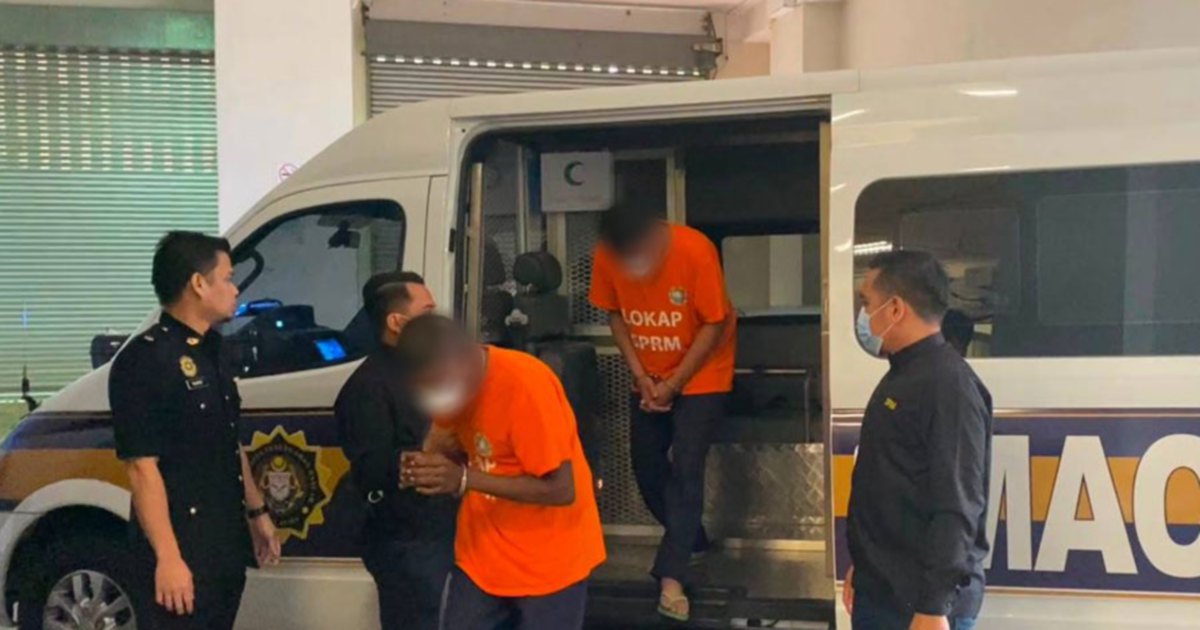
Authorities in Kuantan have apprehended two traffic police personnel stationed on the East Coast Expressway 2 in connection with a bribery investigation, marking another instance of alleged misconduct within the enforcement apparatus. The officers, attached to the highway patrol division, stand accused of unlawfully receiving payments from motorists in exchange for turning a blind eye to traffic violations. The arrests represent a significant development in ongoing efforts to combat corruption in the transportation enforcement sector, which has repeatedly drawn scrutiny from both the public and anti-corruption agencies.
The East Coast Expressway 2, a critical arterial route serving Malaysia's eastern corridor, has become the focus of this investigation. The highway's high traffic volume and the relatively isolated nature of certain stretches make it vulnerable to such practices, where officers can allegedly solicit improper payments with minimal immediate oversight. The expressway handles substantial daily traffic between major urban centres, making it economically important for both commercial and private transport. Such corruption allegations, if substantiated, represent a serious breach of public trust and potentially undermine the safety culture that highway enforcement is meant to uphold.
The nature of the alleged offences involves motorists offering monetary compensation to escape accountability for traffic violations. These could range from speeding and improper lane usage to vehicle documentation issues and equipment failures. Rather than issue summonses or formal enforcement action, the officers allegedly accepted cash in return for allowing drivers to continue their journeys without penalty. This practice distorts the enforcement system, creates inequitable treatment among road users, and fundamentally weakens the deterrent effect that traffic laws are designed to achieve.
Bribery within enforcement agencies represents a particularly damaging form of corruption because it directly affects public safety and equity. When traffic laws are selectively enforced based on an officer's willingness to accept payment, legitimate motorists who comply with regulations face disadvantages compared to those who engage in corrupt transactions. Furthermore, systematic overlooking of traffic violations—particularly serious ones related to vehicle safety or reckless driving—can contribute to elevated accident risks. The credibility of the entire traffic enforcement system depends on consistent, impartial application of the law.
This incident occurs within a broader context of corruption concerns within Malaysian law enforcement. Regulatory bodies and oversight mechanisms have previously documented instances of misconduct among traffic personnel, though the frequency and severity vary. Each case generates renewed calls for stronger internal accountability mechanisms, improved monitoring systems, and harsher penalties for officers convicted of corruption. The Malaysia Anti-Corruption Commission has periodically launched investigations into such matters, recognising that public-facing enforcement officers represent a particular vulnerability point where corruption can flourish if supervision is inadequate.
The investigation's progress will likely depend on evidence gathering, including potential bank records, surveillance footage if available, and testimony from motorists who may have participated in these transactions. Authorities may also examine communication records and financial patterns to establish the scope and duration of the alleged activities. The complexity of such investigations is often compounded by the unwillingness of some motorists to come forward as witnesses, fearing potential consequences or viewing their participation as equally culpable.
For the broader enforcement community, such cases carry significant ramifications. The actions of a few individuals can damage the reputation of conscientious officers who maintain professional standards. Police leadership typically responds to corruption allegations with enhanced vetting procedures and revised deployment patterns. Some jurisdictions have introduced stricter supervision protocols, dashboard camera requirements, and randomised case audits to discourage misconduct. These measures aim to restore public confidence while protecting the majority of officers whose conduct meets professional standards.
The implications for regular motorists extending across Malaysia's highway network are noteworthy. These arrests underscore that enforcement personnel remain subject to investigation and accountability, which theoretically should deter similar conduct elsewhere. However, the persistence of such allegations suggests that systemic vulnerabilities remain unresolved. Motorists concerned about safety and fairness have a legitimate interest in ensuring that the enforcement system operates with integrity. The incidents also highlight the importance of citizens reporting suspected corruption to relevant authorities through established channels.
Moving forward, this case may prompt policy reviews within the traffic enforcement division, particularly regarding deployment practices, officer rotation, and monitoring mechanisms on major expressways like LPT2. Training programmes emphasising ethical conduct and the serious consequences of corruption may be reinforced. Additionally, technological solutions such as body cameras, GPS tracking with accountability records, and digitalised enforcement systems could reduce opportunities for informal transactions and create audit trails that deter misconduct. The challenge for Malaysian authorities remains translating individual case responses into systemic reforms that prevent corruption from taking root in the first place.

