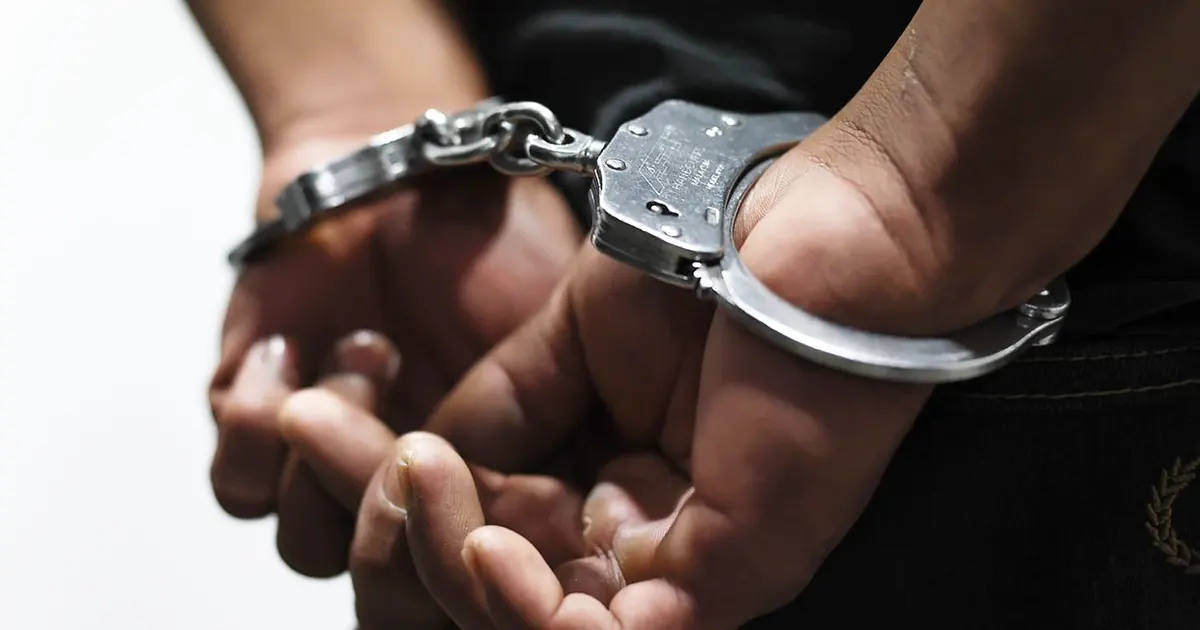
Police have arrested two men in connection with the fatal shooting of their hunting companion, with investigators treating the incident as a tragic accident rather than a deliberate act. The arrest comes days after the victim's body was discovered, prompting a wider investigation into how the three men came to be in such dire circumstances during what was meant to be a recreational outdoor excursion.
According to law enforcement officials, the evidence gathered at the scene and during subsequent interviews suggests the fatal shot was discharged unintentionally. Rather than immediately reporting the tragedy to authorities, the two suspects allegedly made a series of decisions in the immediate aftermath that complicated the investigation and raised fresh questions about emergency response protocols in hunting communities across the region.
The circumstances surrounding the concealment of the body represent a significant dimension of the case, as it indicates the men acted out of panic or confusion rather than malice. This behaviour pattern is not uncommon in sudden trauma situations, where witnesses and those involved sometimes make irrational choices under extreme emotional stress. However, such actions inevitably draw additional scrutiny from law enforcement and create legal complications that extend beyond the original tragedy.
Hunting accidents, while preventable through proper safety training and equipment protocols, remain a recurring concern in rural and forested areas where outdoor sporting traditions are deeply embedded in local culture. Malaysia's diverse hunting communities, spanning from peninsular regions to East Malaysia, have long grappled with balancing recreational access to wild areas with the imperative to reduce preventable deaths and injuries. The incident underscores how quickly a routine outing can transform into a catastrophe when safety measures are overlooked or when participants lack adequate familiarity with firearms handling.
The investigation will likely focus on several critical factors: whether the hunters were licenced to carry weapons, whether they were operating within designated hunting zones, what safety equipment was in use, and how the weapon discharged without intent. These details will inform not only the legal proceedings against the arrested men but also broader policy discussions about regulating recreational hunting and improving safety standards across Southeast Asia.
The decision to hide the body rather than seek immediate medical assistance or contact emergency services represents a turning point in the narrative that transformed what might have been treated as a regrettable accident into a more serious legal matter. Concealment of human remains, even when the underlying death was unintentional, typically carries separate charges in most jurisdictions and complicates prosecutorial outcomes. The two men now face potential charges ranging from manslaughter to improper handling of remains, depending on how the courts interpret their conduct.
For the victim's family and the broader hunting community, this incident serves as a stark reminder of the responsibilities that come with participating in activities involving firearms. The emotional toll extends beyond the immediate circle of those involved, affecting broader perceptions of hunting safety and the adequacy of current regulatory frameworks. Community leaders and hunting associations across Malaysia may find renewed pressure to implement more rigorous safety training and certification requirements.
Police investigations of this nature often reveal gaps in how communities communicate about and respond to outdoor emergencies. Access to emergency services in remote hunting areas, the availability of medical personnel trained in trauma response, and the presence of communication technology all factor into how such incidents unfold. The delay in reporting this death may have been partly attributable to the location of the incident and the difficulty of reaching authorities from isolated territories.
The case also raises questions about peer pressure and group dynamics during moments of crisis. When multiple individuals are present during a traumatic event, decision-making often becomes collective and sometimes counterproductive. Understanding how the two men arrived at the decision to conceal the body, whether one person took the lead or whether both shared responsibility equally, will be central to determining appropriate charges and sentencing.
Moving forward, this incident will likely prompt regulatory reviews by relevant authorities charged with overseeing firearms licensing, hunting permits, and outdoor safety standards. Southeast Asian nations, including Malaysia, have been gradually tightening protocols around hunting activities, particularly in biodiversity hotspots where both conservation and safety concerns intersect. This case may accelerate those efforts and lead to more stringent requirements for background checks, safety certifications, and mandatory insurance for hunting activities.
The broader implications extend to how communities process sudden loss and how individuals respond under extreme duress. While the two arrested men face legal consequences, their actions also reflect systemic gaps in safety education and emergency response procedures. The victim's death, tragic as it is, may ultimately contribute to preventing similar incidents if it catalyses meaningful reforms in how hunting activities are regulated and how safety culture is cultivated within recreational shooting communities across the region.

